
Lab-Grown vs Mined Diamonds: The Honest Comparison
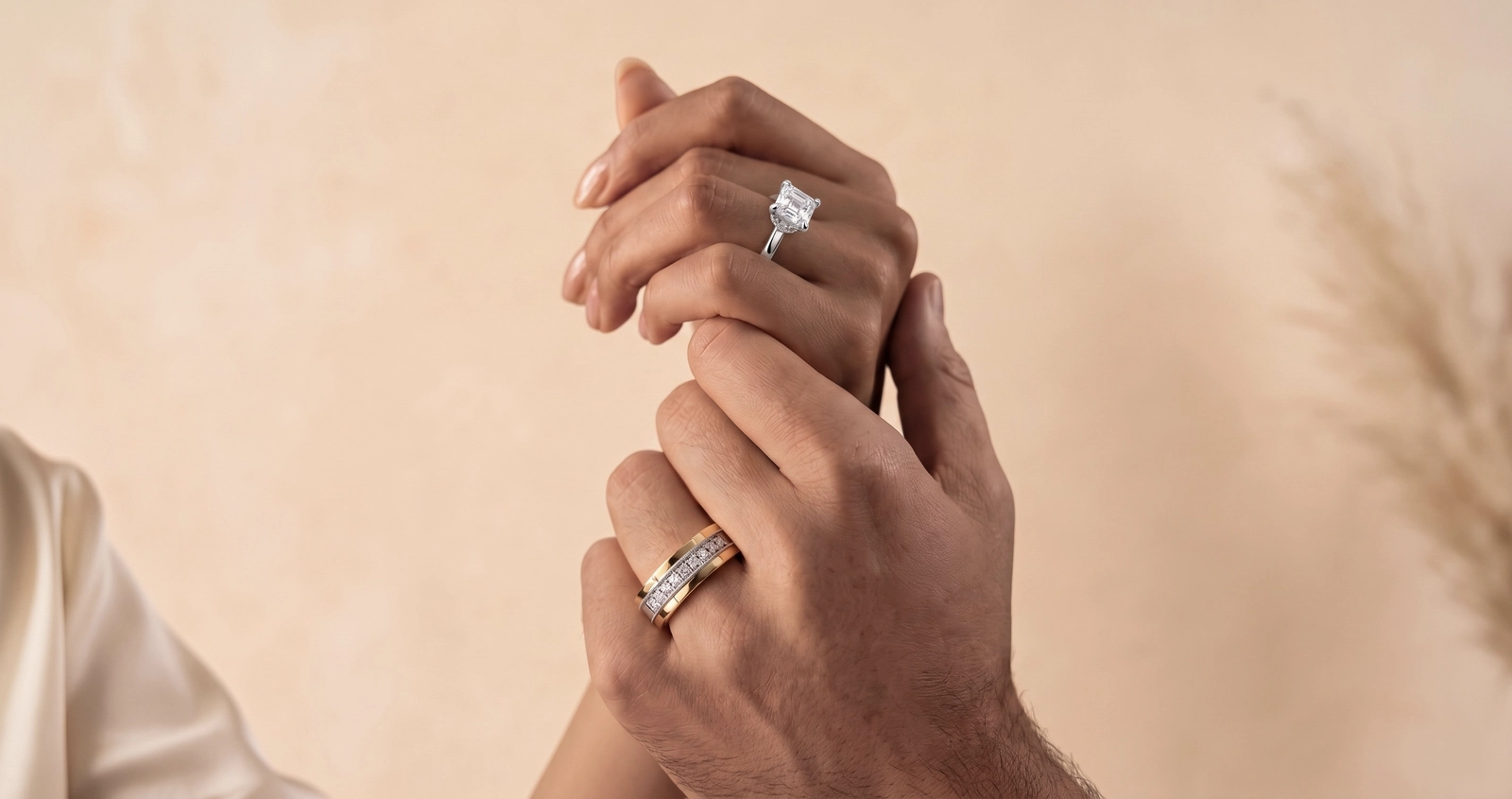
At some point in the search for the right engagement ring, everyone runs into a question that barely existed a decade ago: lab-grown or mined diamond? Both are real diamonds — the difference isn't quality, it's origin. That distinction gets lost in a lot of marketing noise, so here we want to lay out the lab-grown vs real diamonds comparison plainly, with no spin in either direction.
At Omara, we carry both, deliberately. Not because one is objectively "better," but because each is the right answer for different people and different priorities. Below, we walk through what actually matters when you're choosing: origin, appearance, price, ethics, and resale value.
Where does a diamond actually come from?
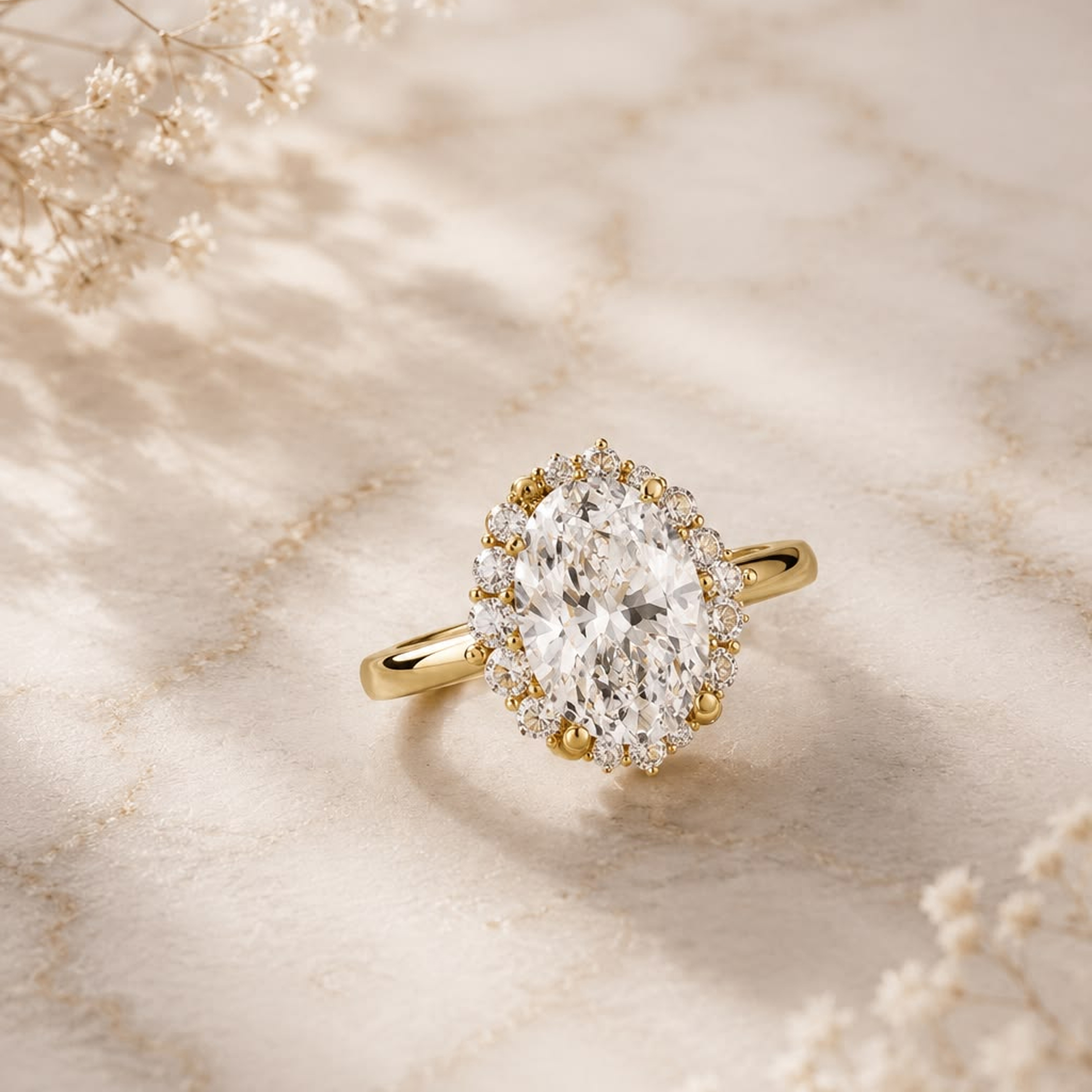
At its core, a diamond is always the same thing: pure carbon, crystallized under extreme pressure. What separates a lab-grown diamond from a mined one is entirely where and how that crystallization happens.
- Natural diamonds formed 1 to 3 billion years ago deep in the earth's mantle, under immense heat and pressure, and were later carried to the surface by volcanic activity, where they're recovered through mining.
- Lab-grown diamonds form in a matter of weeks inside specialized facilities using HPHT or CVD technology, which recreates the exact same conditions of heat, pressure, and carbon deposition that nature takes billions of years to produce.
Either way, the result is a crystal with identical chemical composition. Only the path to get there differs — nature takes billions of years, a lab takes weeks.
Can you actually tell the difference?
The short, honest answer: no. Lab-grown and mined diamonds are chemically, physically, and optically identical. No jeweler, no gemologist, and certainly no naked eye can tell them apart without specialized lab equipment.
- Hardness: Both score a 10 on the Mohs scale — the maximum hardness any naturally occurring material can have.
- Brilliance and fire: Because the crystal structure is identical, both types of diamond bend and reflect light in exactly the same way.
- The 4Cs: Cut, Color, Clarity, and Carat are graded on lab-grown diamonds using the exact same scale used for natural diamonds.
- Certification: Leading labs like GIA and IGI certify both types under the same criteria — the certificate simply notes the origin as "laboratory-grown" or "natural."
Lab-grown vs real diamonds, side by side
Here's the comparison distilled into the facts that matter most for your decision.
| Feature | Lab-Grown Diamond | Mined (Natural) Diamond |
|---|---|---|
| Composition | 100% pure carbon, identical crystal structure | 100% pure carbon, identical crystal structure |
| Formation time | A few weeks (HPHT or CVD) | 1 to 3 billion years in the earth's mantle |
| Price at equal quality | Roughly 60–80% less | Reference price, significantly higher |
| Certification | GIA, IGI (marked "laboratory-grown") | GIA, IGI (marked "natural") |
| Rarity | Essentially unlimited production | Geologically limited and finite |
| Origin / traceability | Fully traceable, no conflict-mining risk | Traceable via the Kimberley Process when responsibly sourced |
| Resale value | Roughly 20–40% of purchase price | Roughly 40–60% of purchase price |
Price — why is the gap so large?
The most noticeable difference between lab-grown and mined diamonds is price. At comparable cut, color, clarity, and carat weight, a lab-grown diamond typically costs 60 to 80% less than its natural counterpart.
That gap has nothing to do with lower quality — it comes down to the supply chain. Mining natural diamonds requires costly geological exploration, mine operations, and long, complex logistics, all of which add to the price. Lab-grown diamonds, by contrast, are produced in controlled facilities where technological progress keeps pushing production costs down year over year. In practice, that means more carat, better clarity, or a larger stone for the same budget — with the same look and the same quality.

Ethics and sustainability
This topic gets oversimplified a lot: "lab-grown equals ethical, mined equals problematic." It isn't that clean-cut. Here's the honest picture:
- Traceability: Lab-grown diamonds eliminate conflict-mining risk entirely — their origin is fully documented from the first moment of production.
- The Kimberley Process: Responsibly mined natural diamonds fall under the international Kimberley Process, designed to keep conflict diamonds out of the market, and mining creates significant jobs and economic activity in many regions.
- Environmental footprint: Both production methods carry an environmental cost. Growing diamonds in a lab is energy-intensive, and how green that process actually is depends heavily on the power source behind the facility. Mining natural diamonds, meanwhile, directly impacts land and ecosystems.
- Bottom line: Neither option is automatically "the green choice." If full traceability matters most to you, a lab-grown diamond is a strong choice. If you value responsibly sourced stones with a long tradition behind them, a certified natural diamond is just as legitimate an option.
Resale value
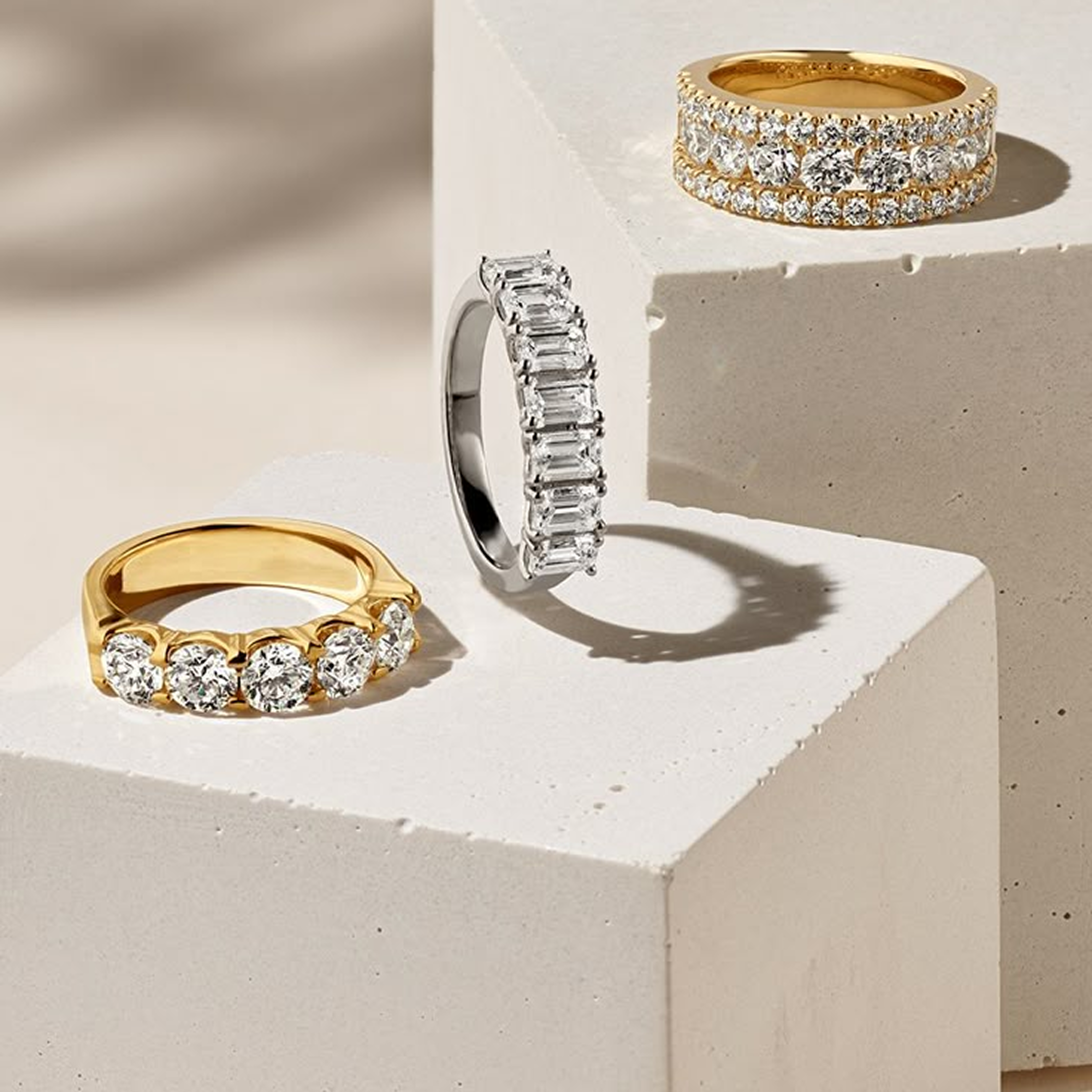
Natural diamonds typically retain about 40 to 60% of their original purchase price on resale. Lab-grown diamonds sit lower, at roughly 20 to 40%, largely because production costs for lab-grown stones keep falling — which pushes down both new prices and resale prices year after year.
It's worth being straightforward here: no diamond, lab-grown or mined, is a real financial investment. Both are purchased primarily for what they represent and how they look, not as a store of value. And because lab-grown diamonds cost meaningfully less to begin with, the absolute loss in euros on resale is often smaller than with a natural diamond — even though the percentage drop looks steeper on paper.
Which one is right for you?
Choose a lab-grown diamond if:
- Getting a larger or higher-clarity stone within your budget matters to you
- Full traceability with zero conflict-mining risk is a priority
- You value modern technology and maximum price transparency
- Resale value isn't a major factor in your decision
Choose a mined (natural) diamond if:
- There's meaning for you in wearing a stone that is billions of years old
- You'd prefer a diamond with a generally higher resale value
- You appreciate responsibly sourced stones with a long-standing tradition
- The symbolism of geological rarity and uniqueness matters to you
Frequently Asked Questions
Next article
Internally Flawless (IF) Diamond Clarity Guide
Internally Flawless (IF) represents the second-highest clarity grade on the Gemological Institute of America (GIA) scale.