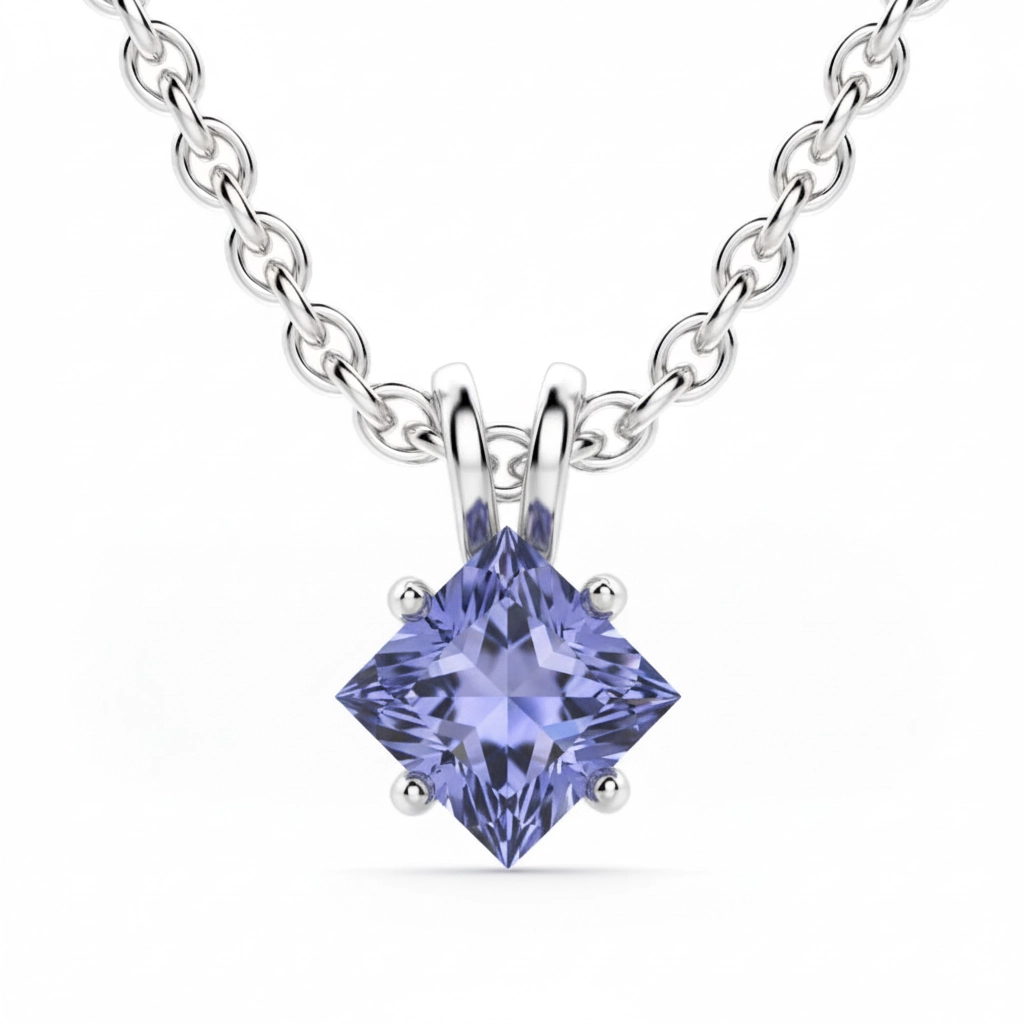
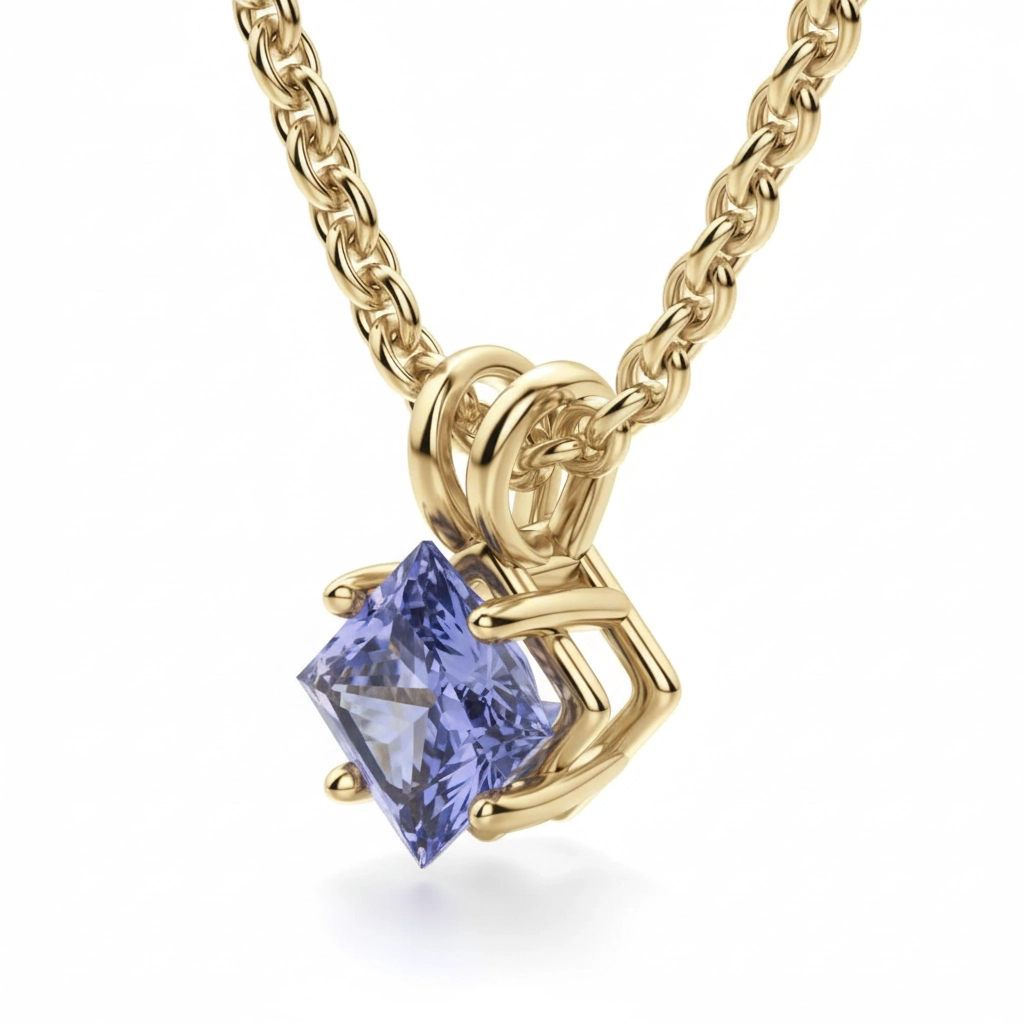
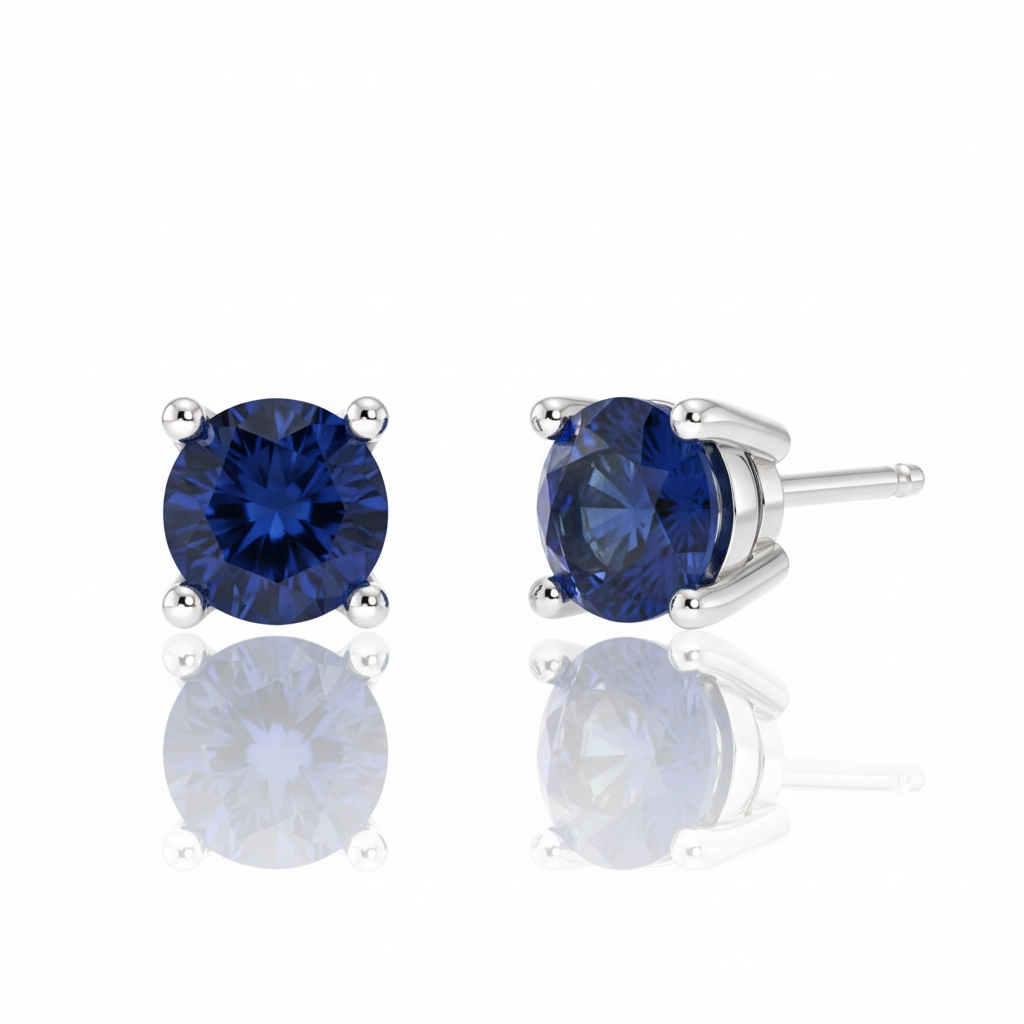
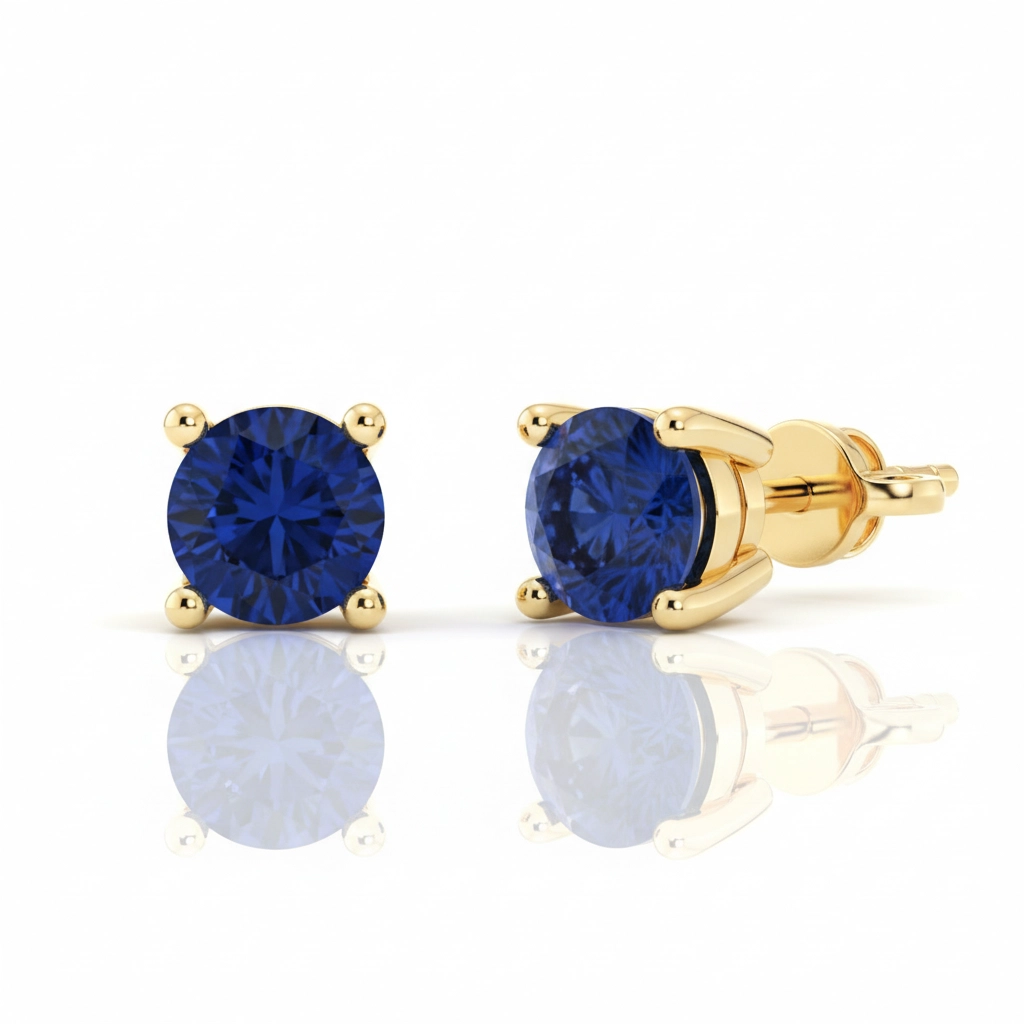
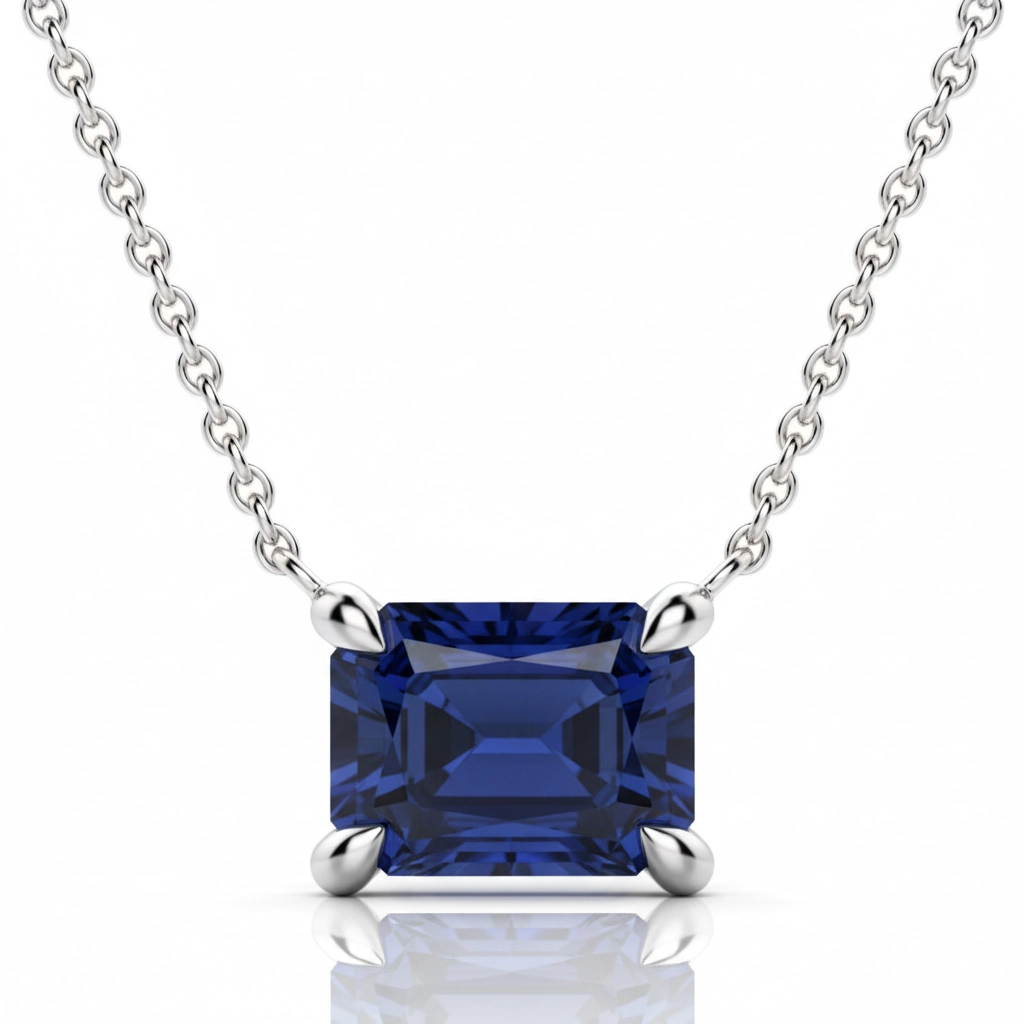
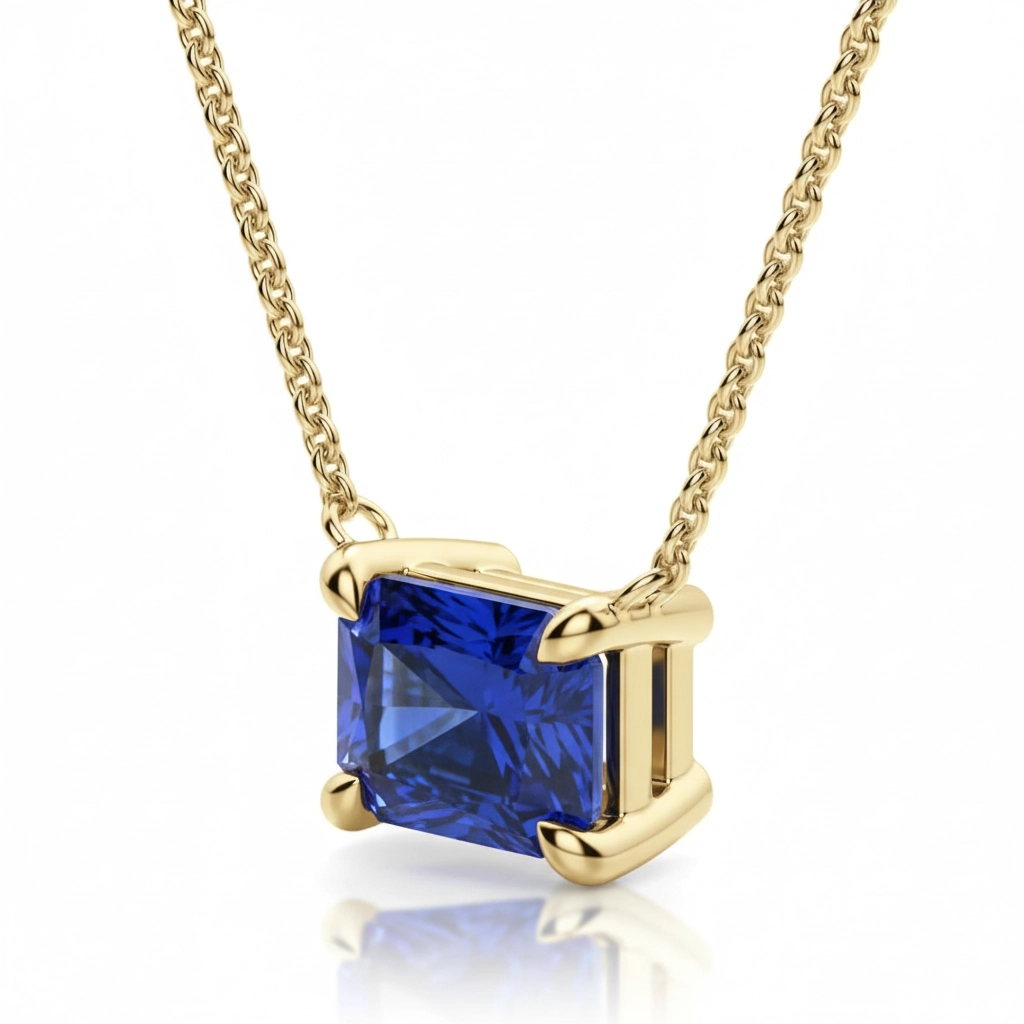
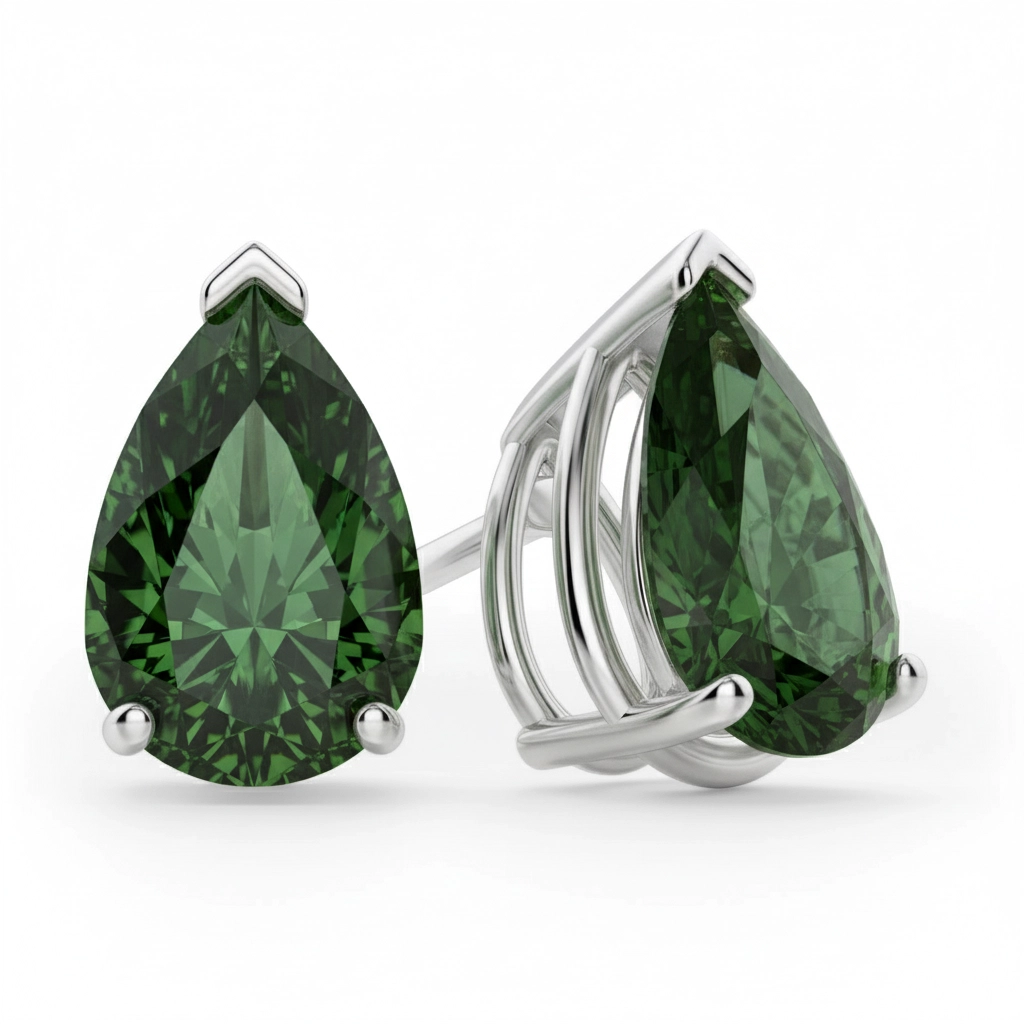
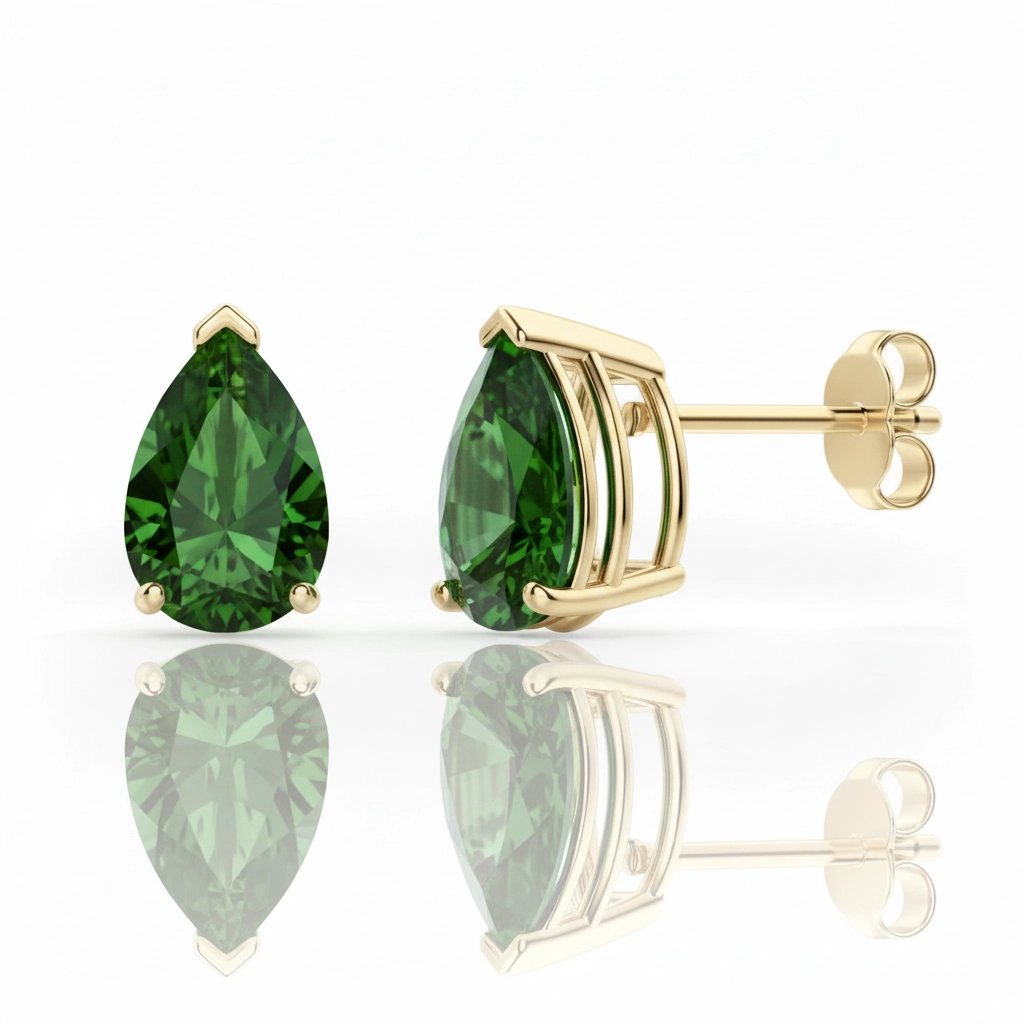
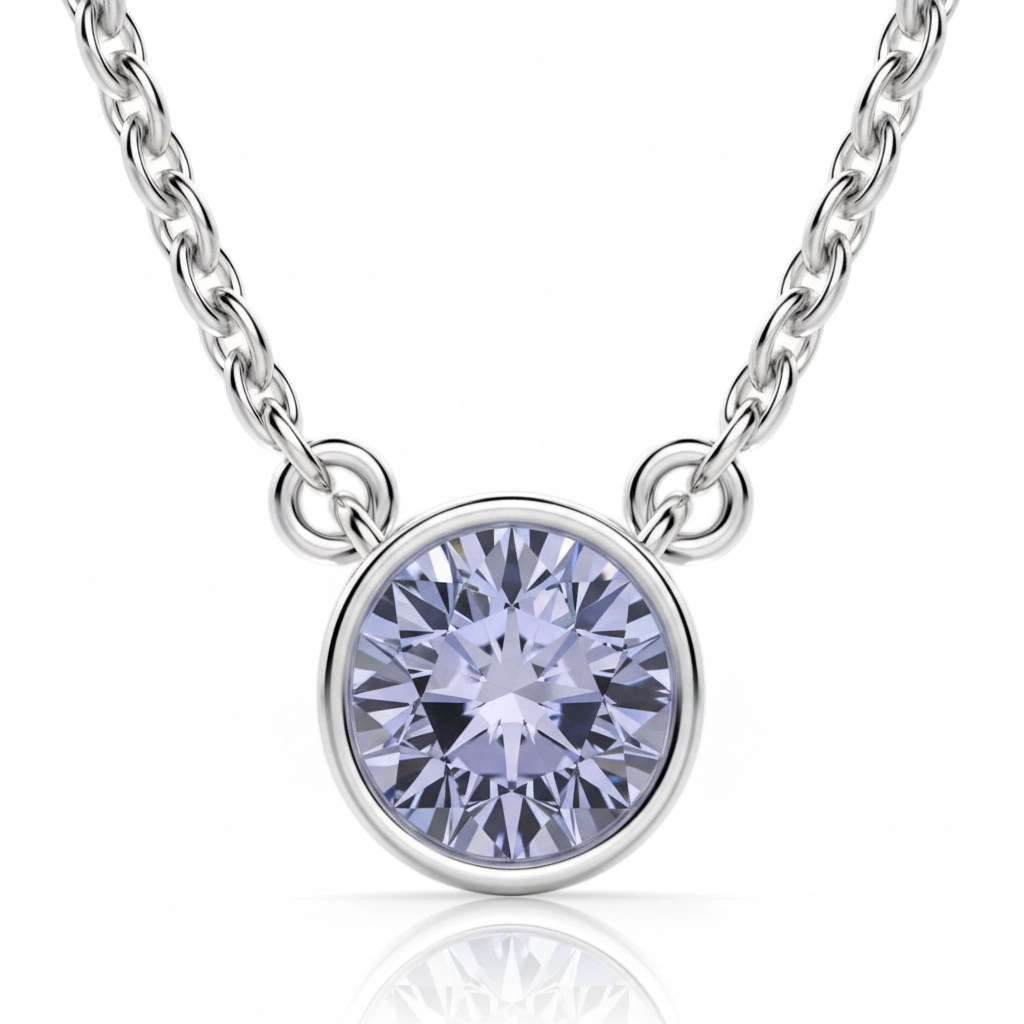
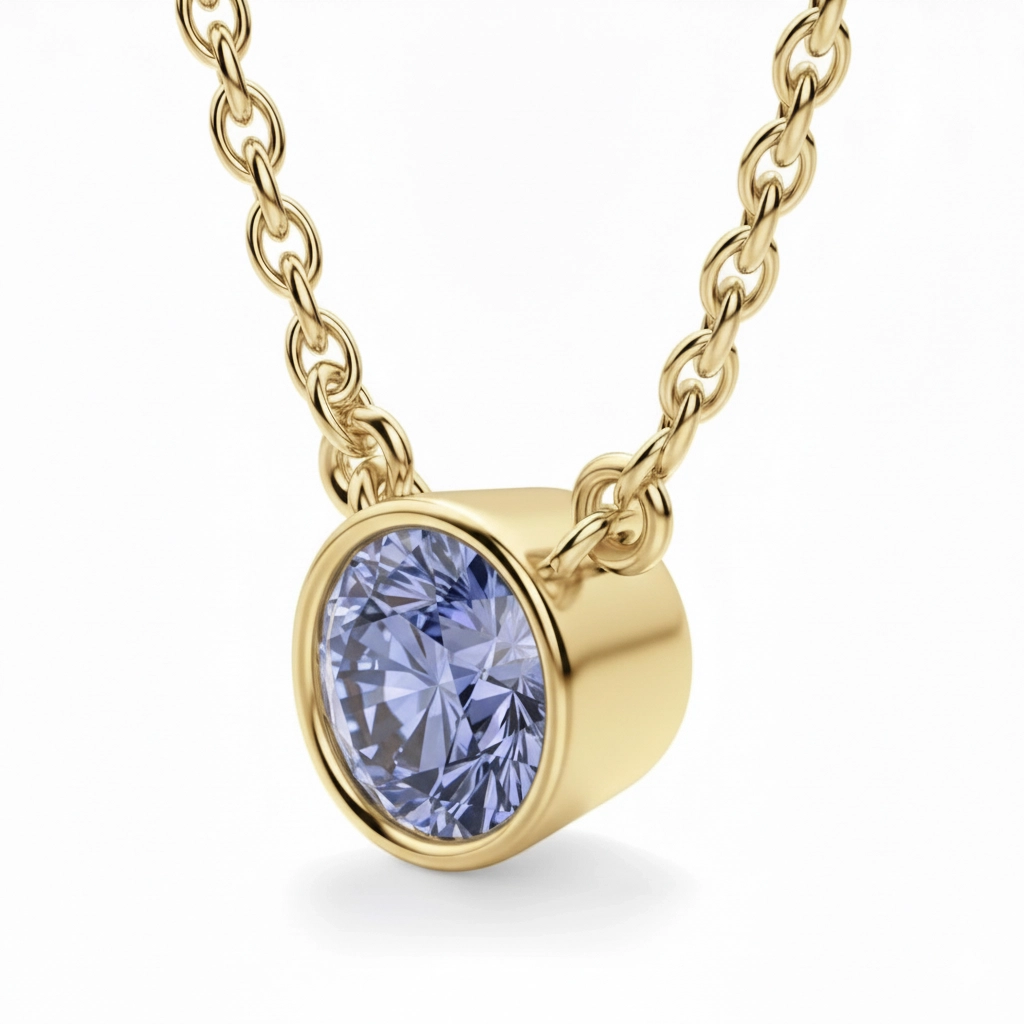
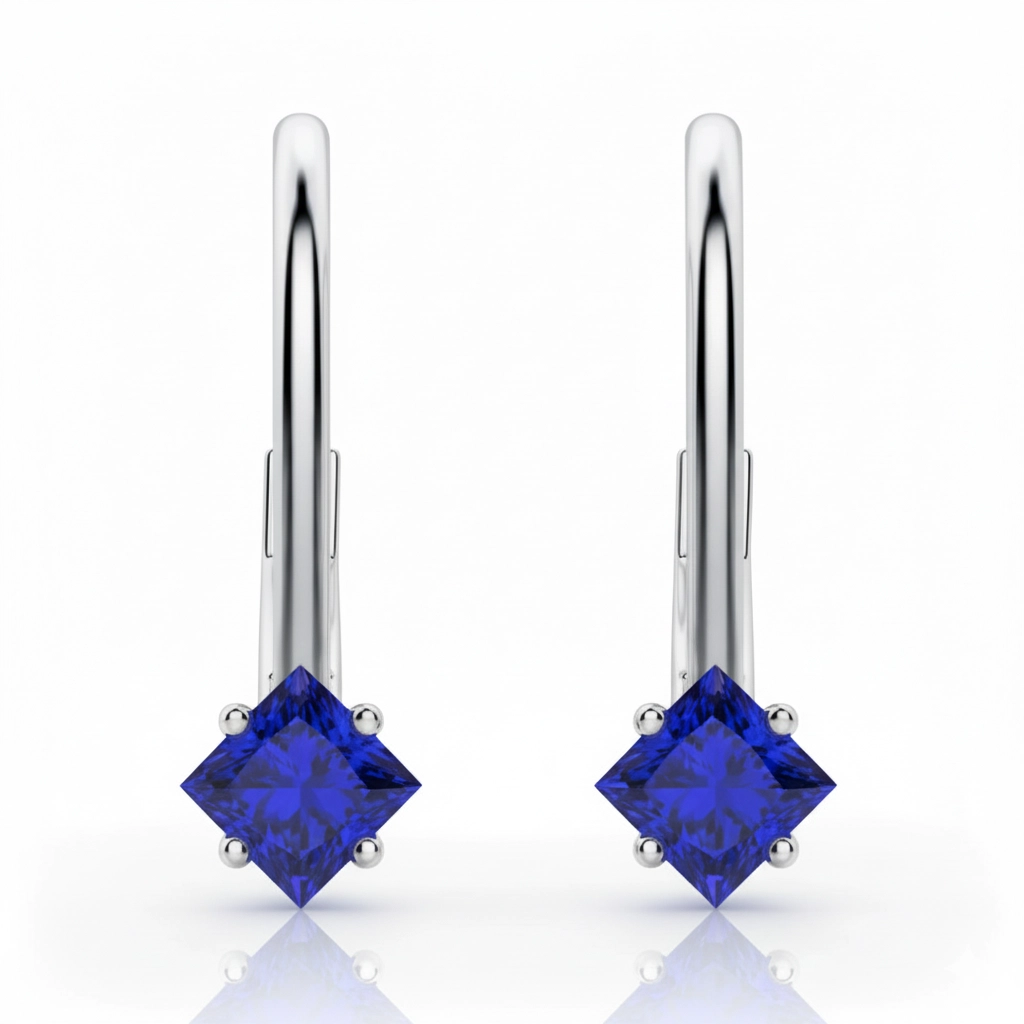
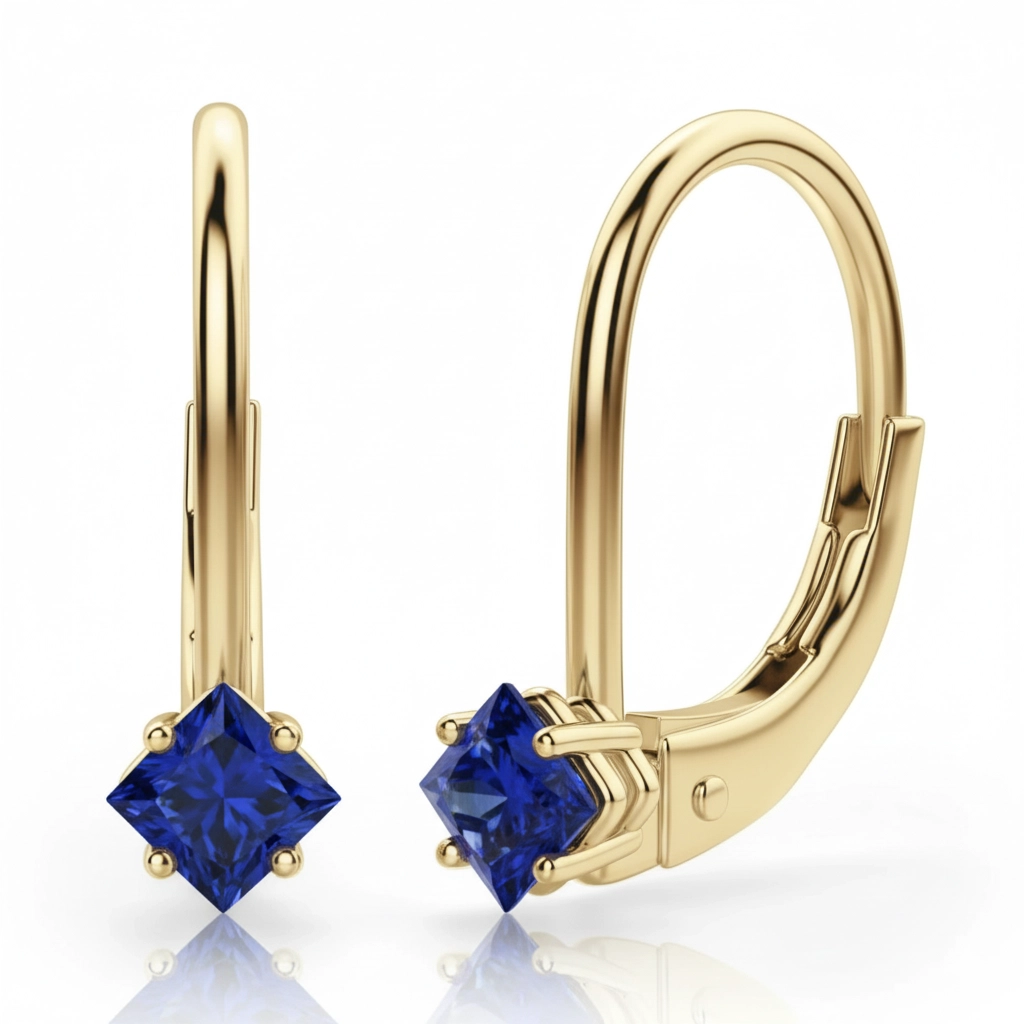
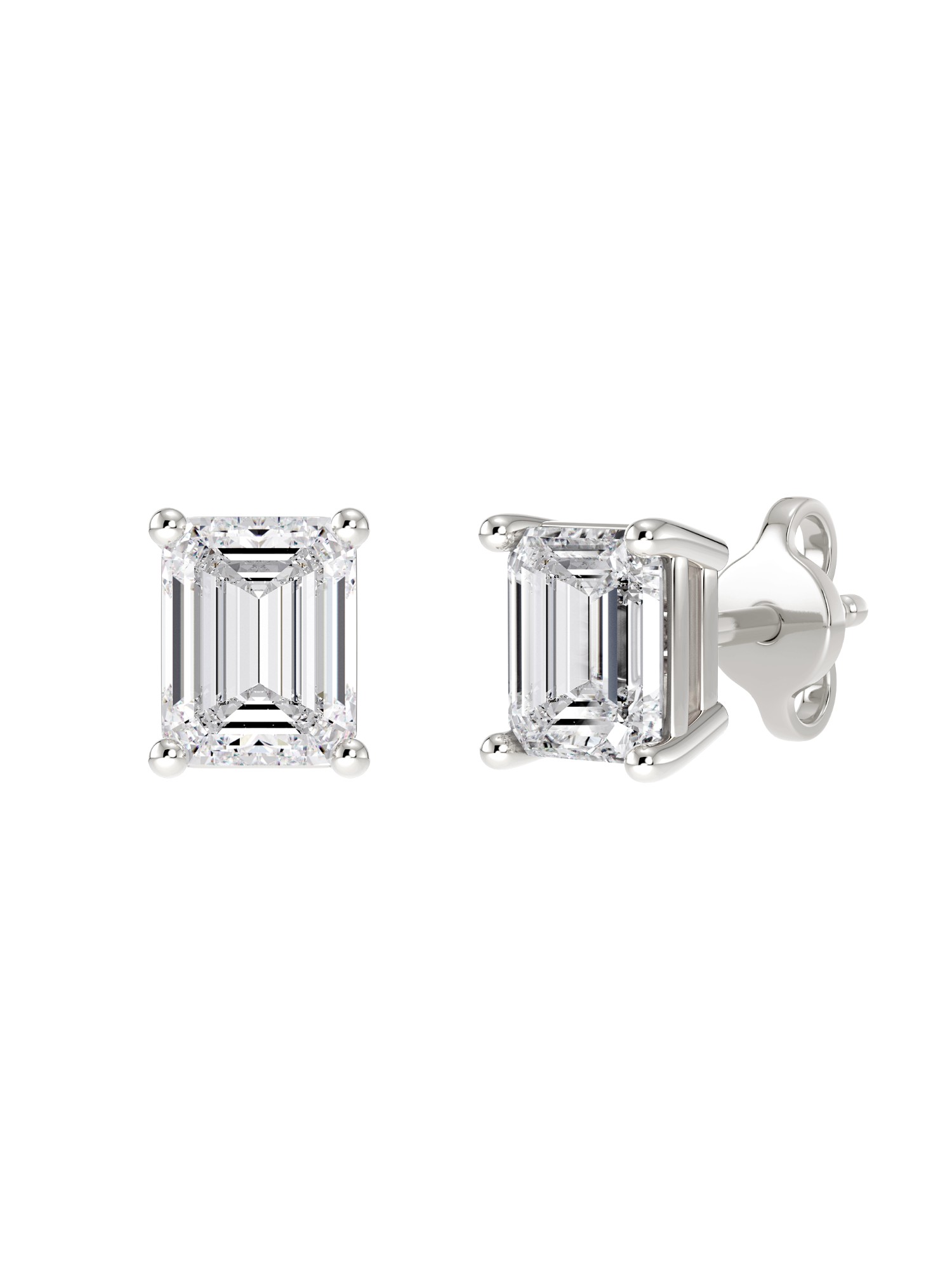
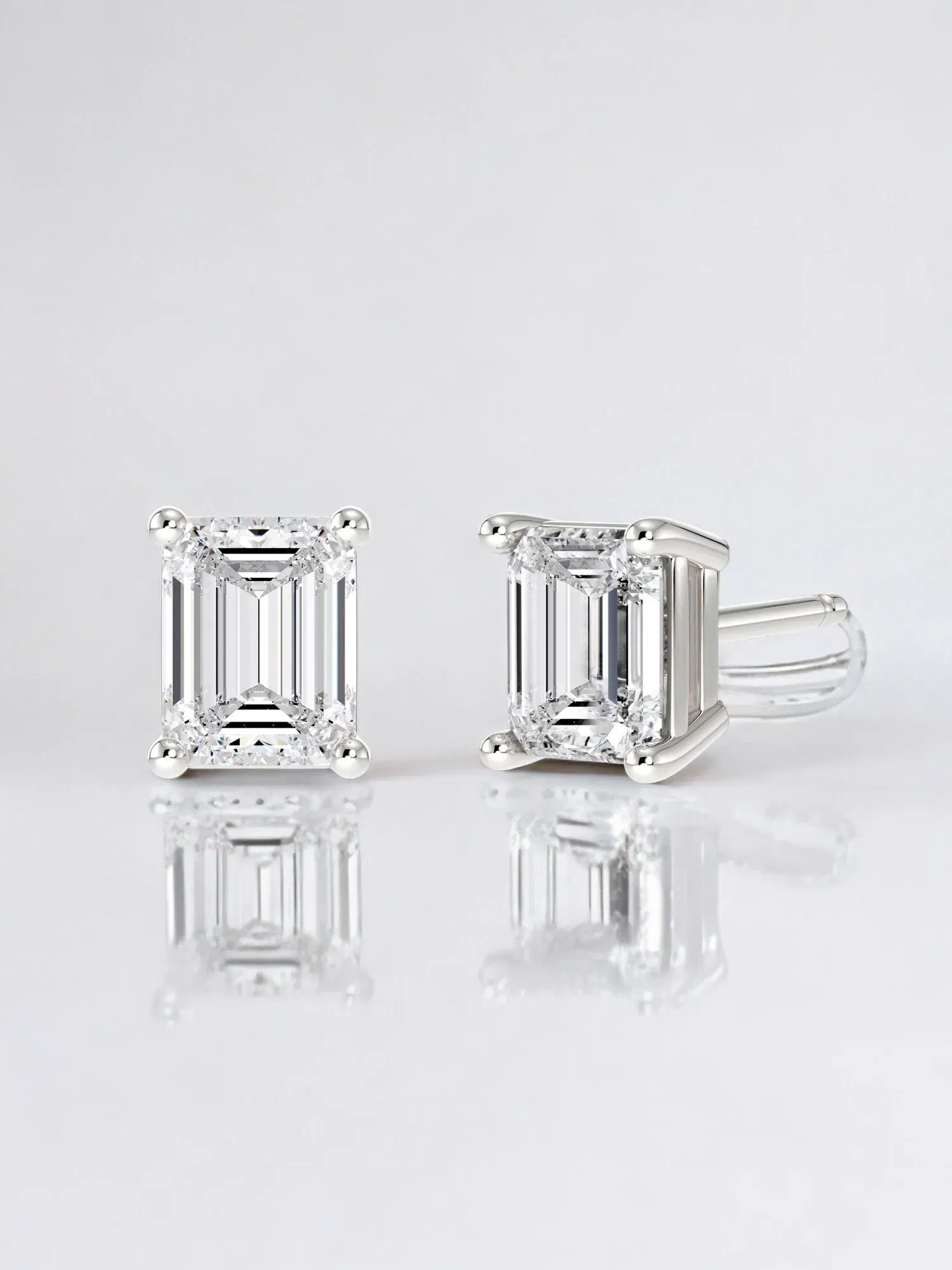
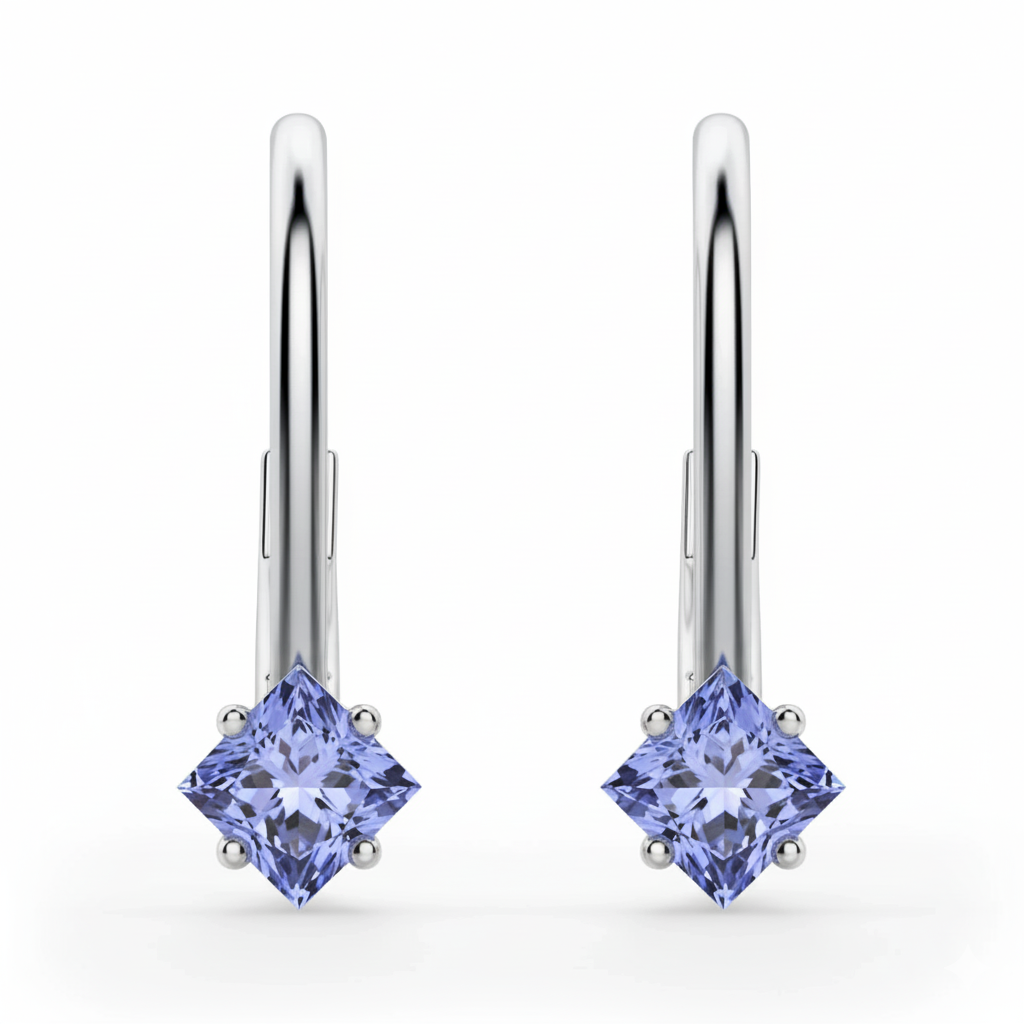
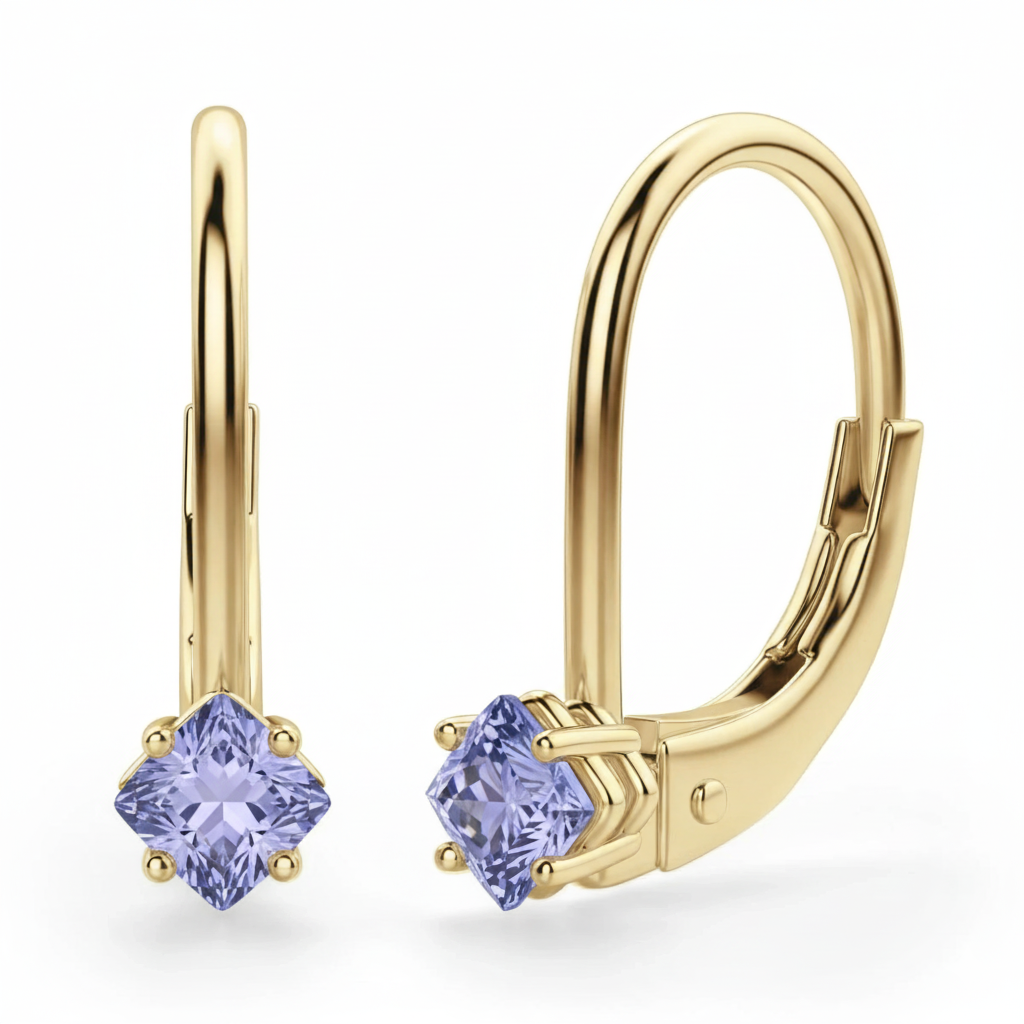
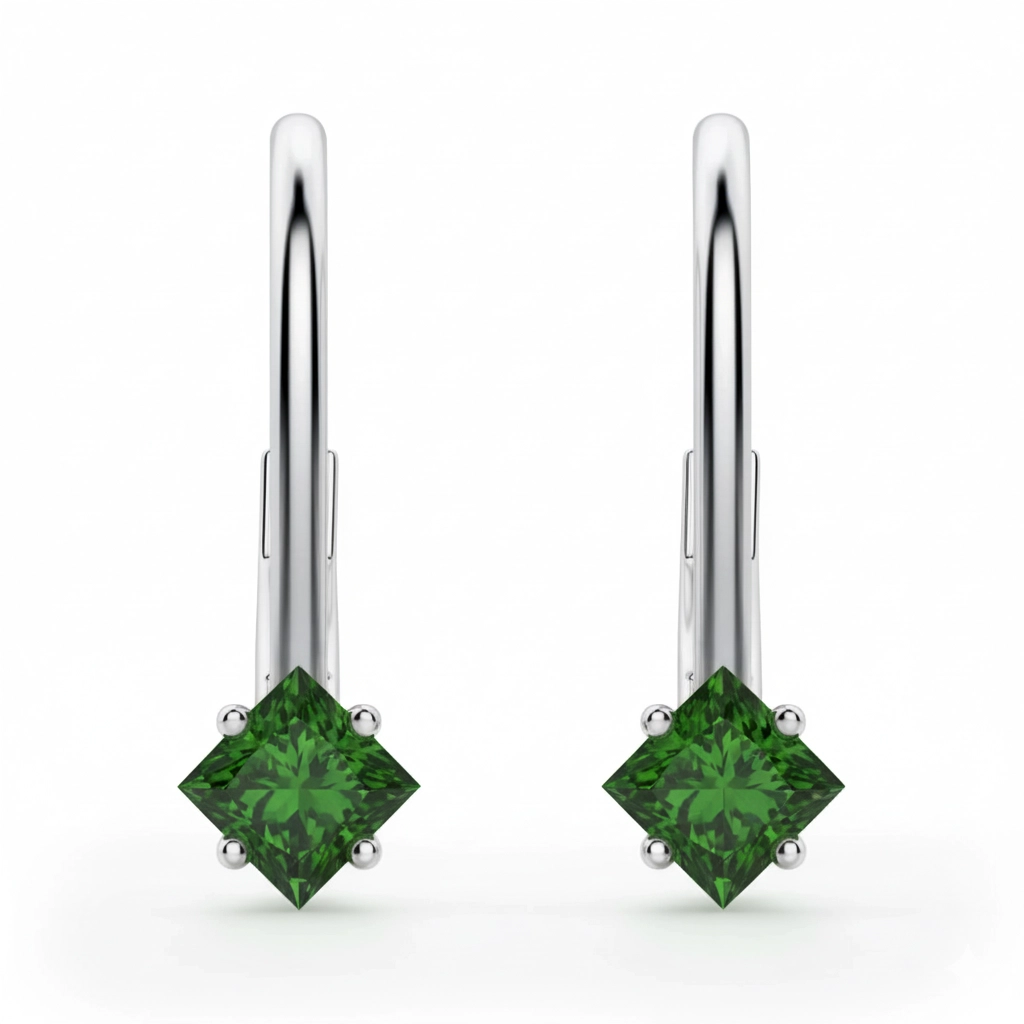
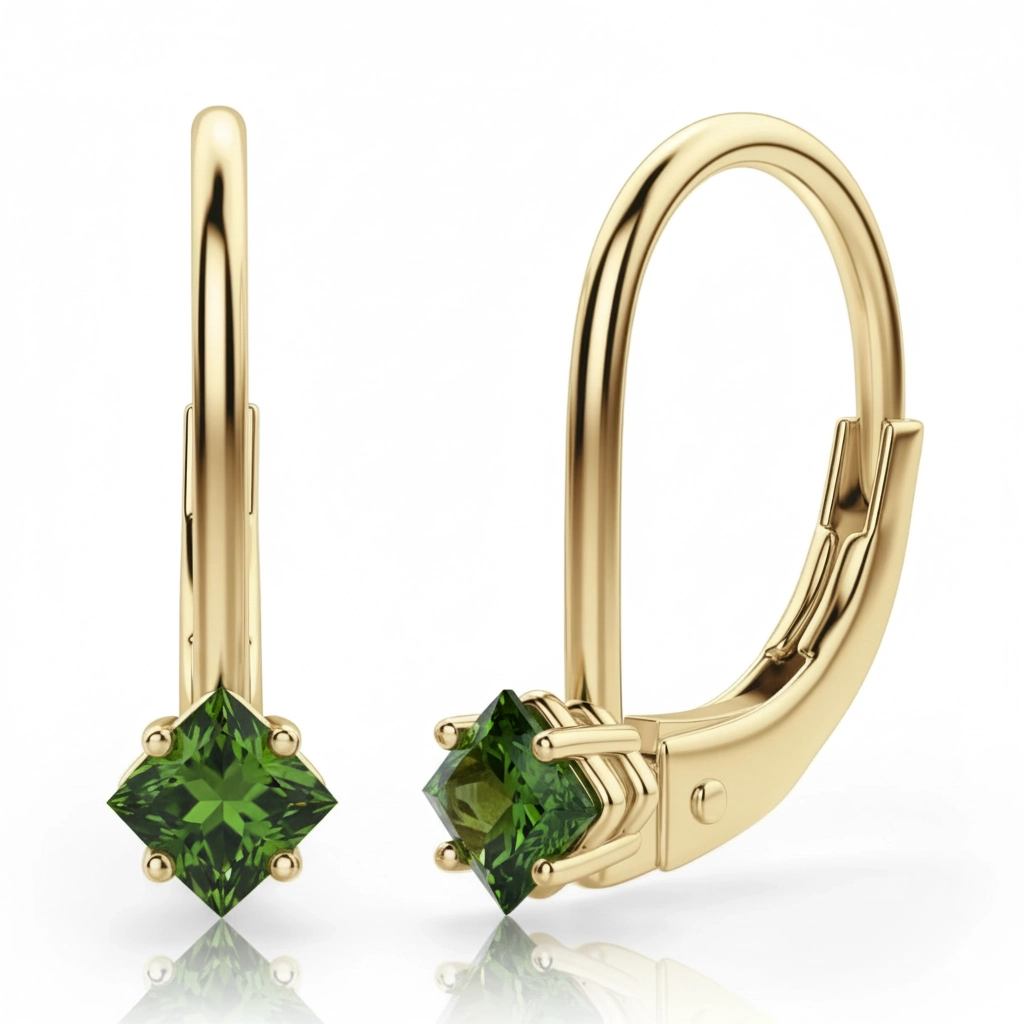
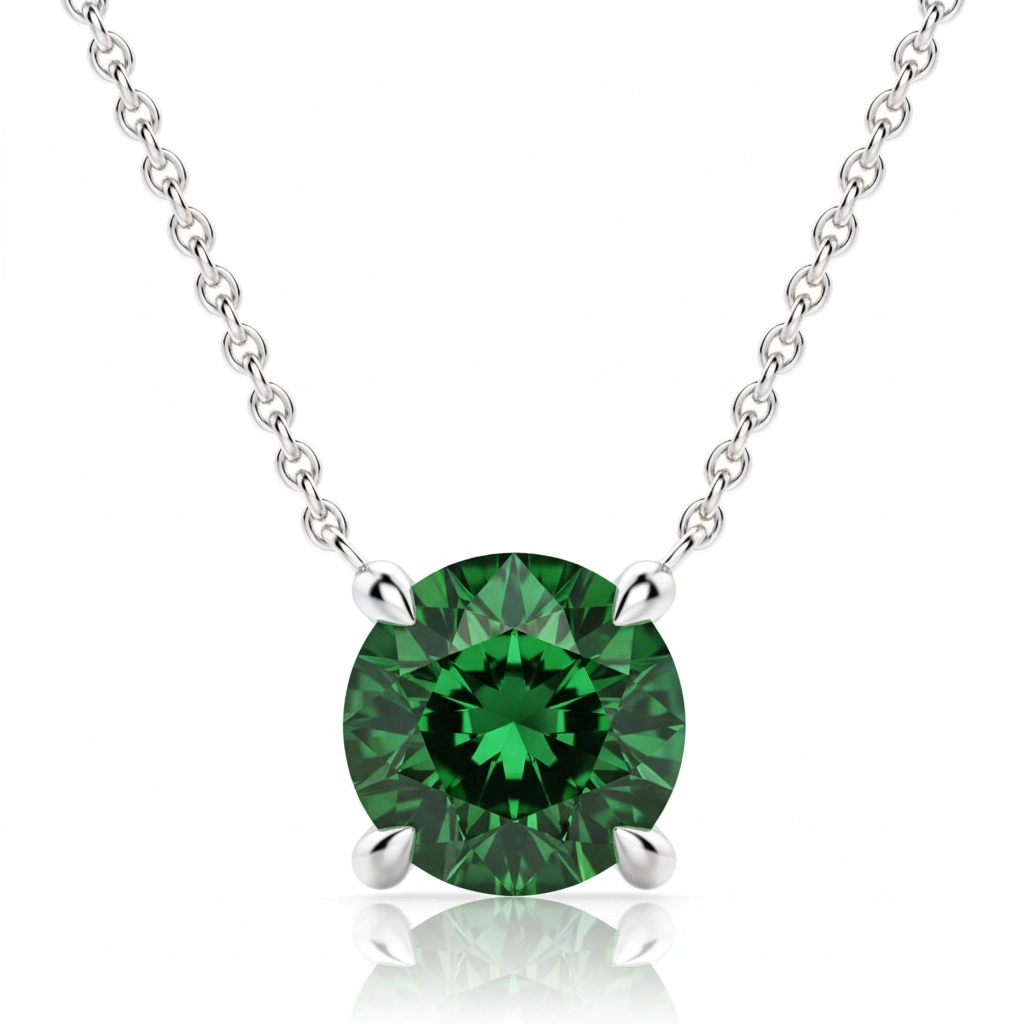
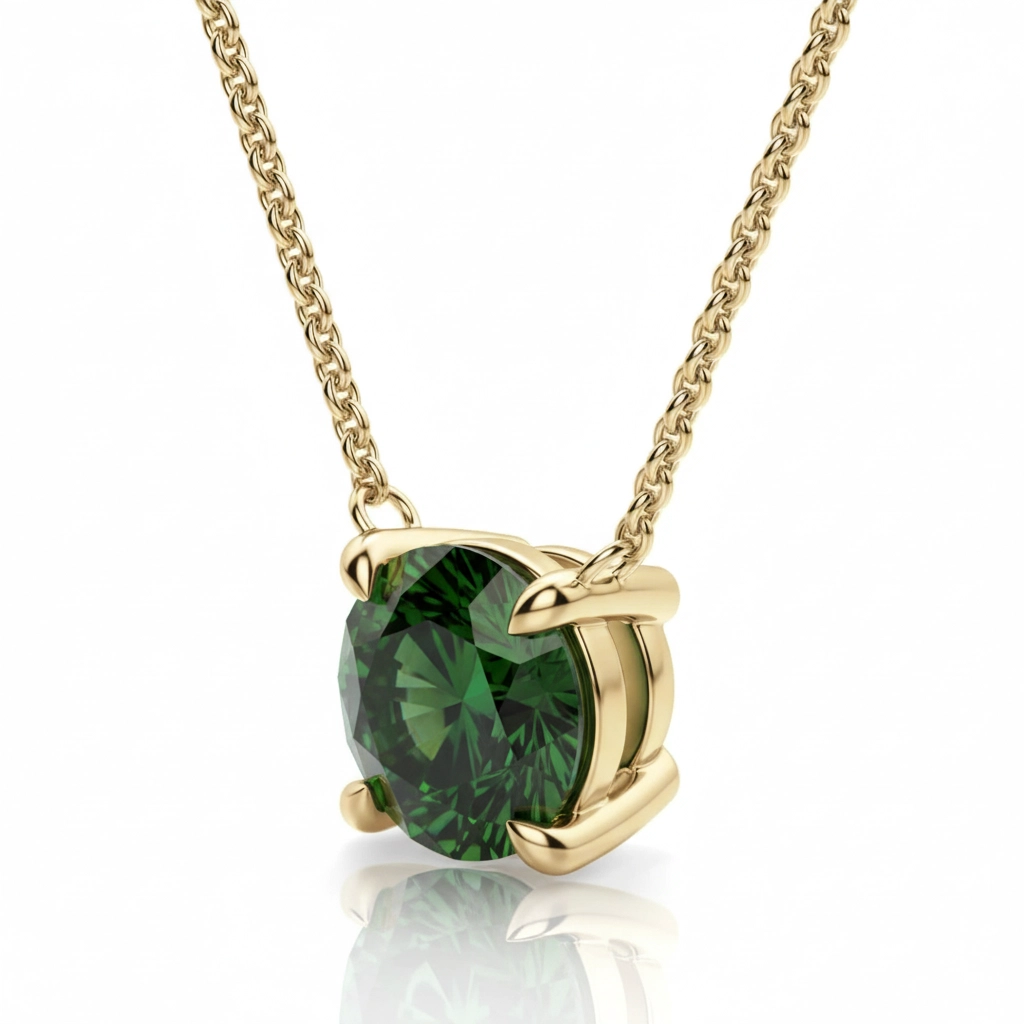
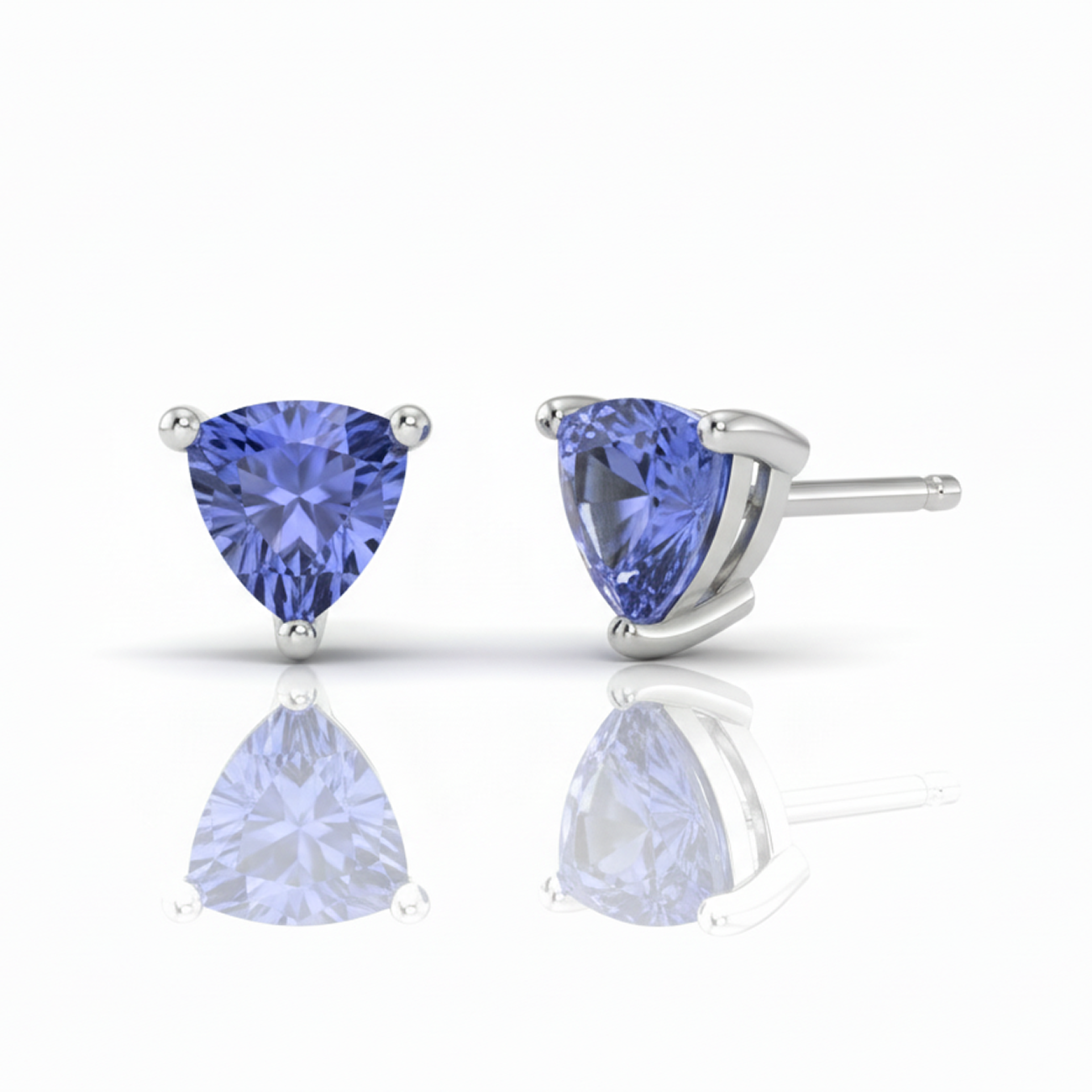
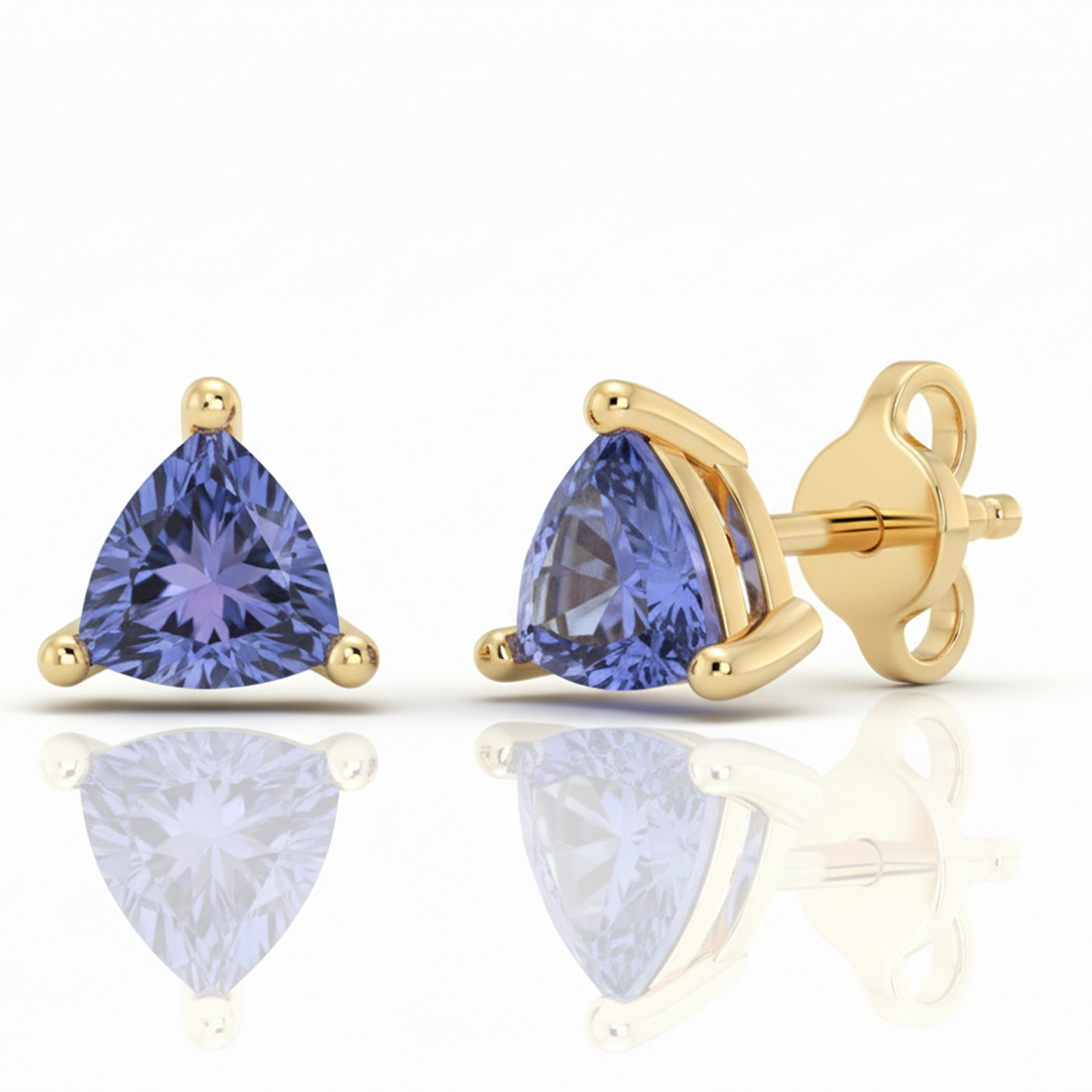
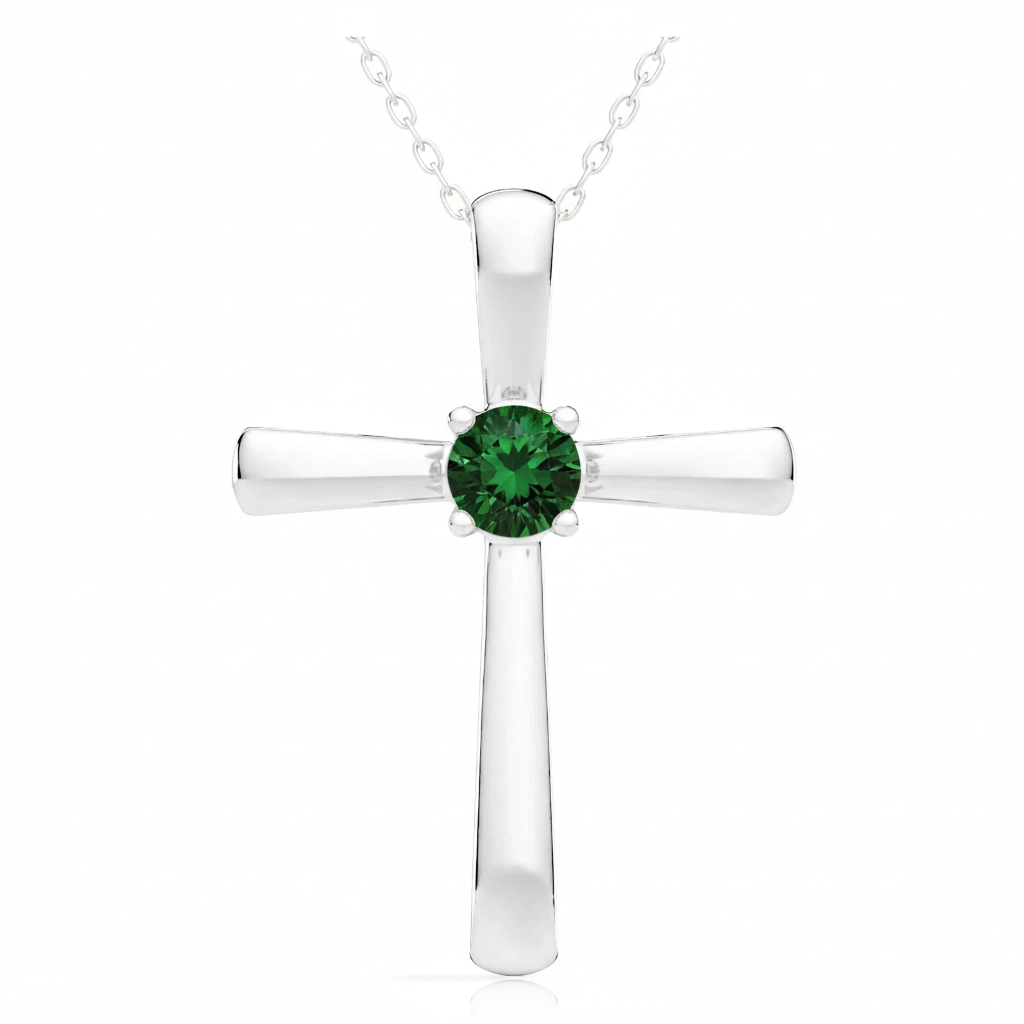
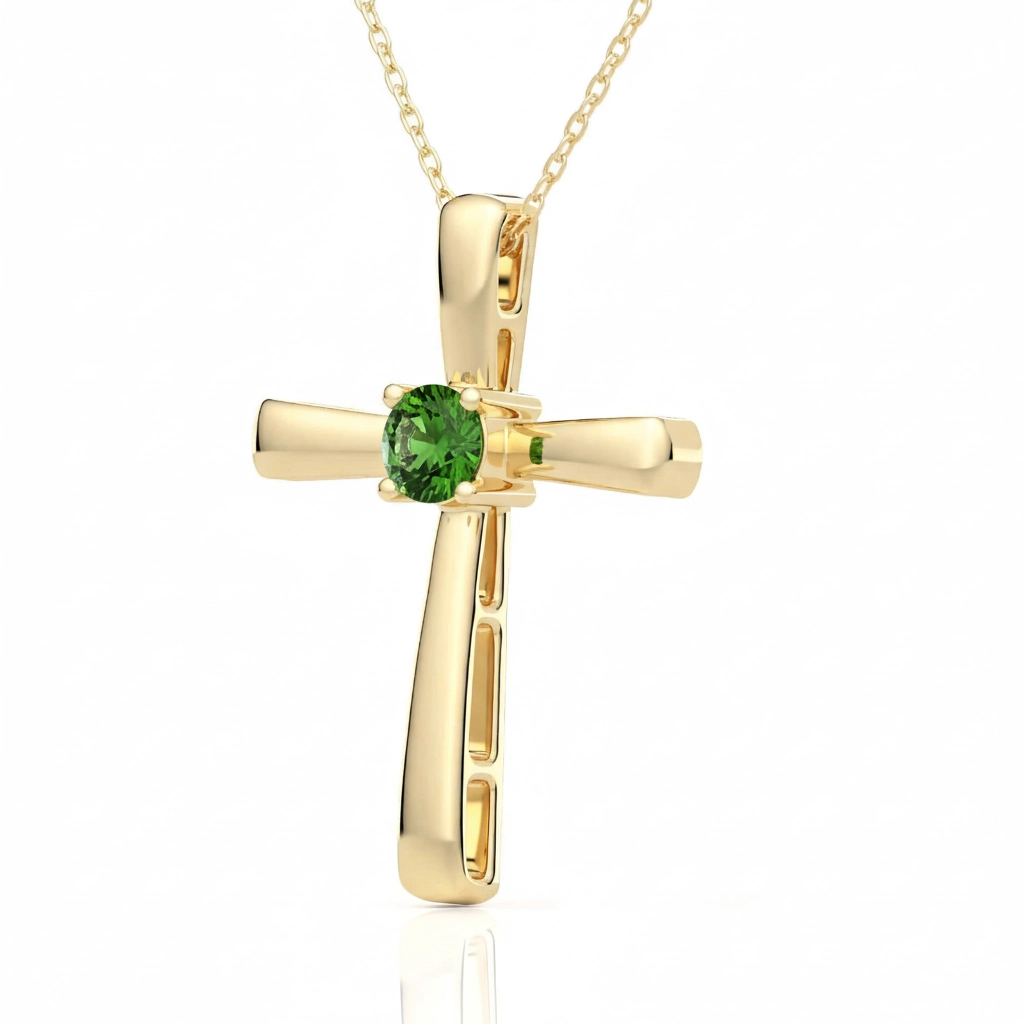
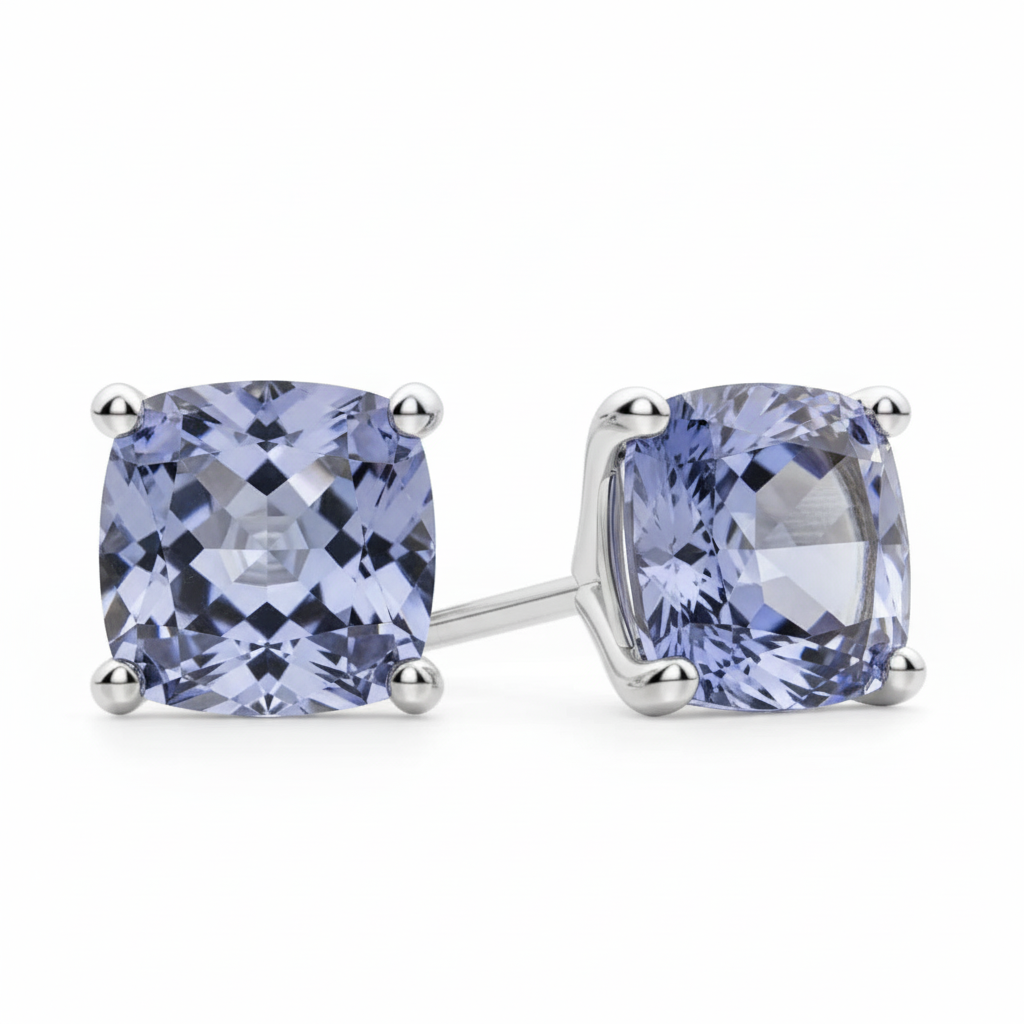
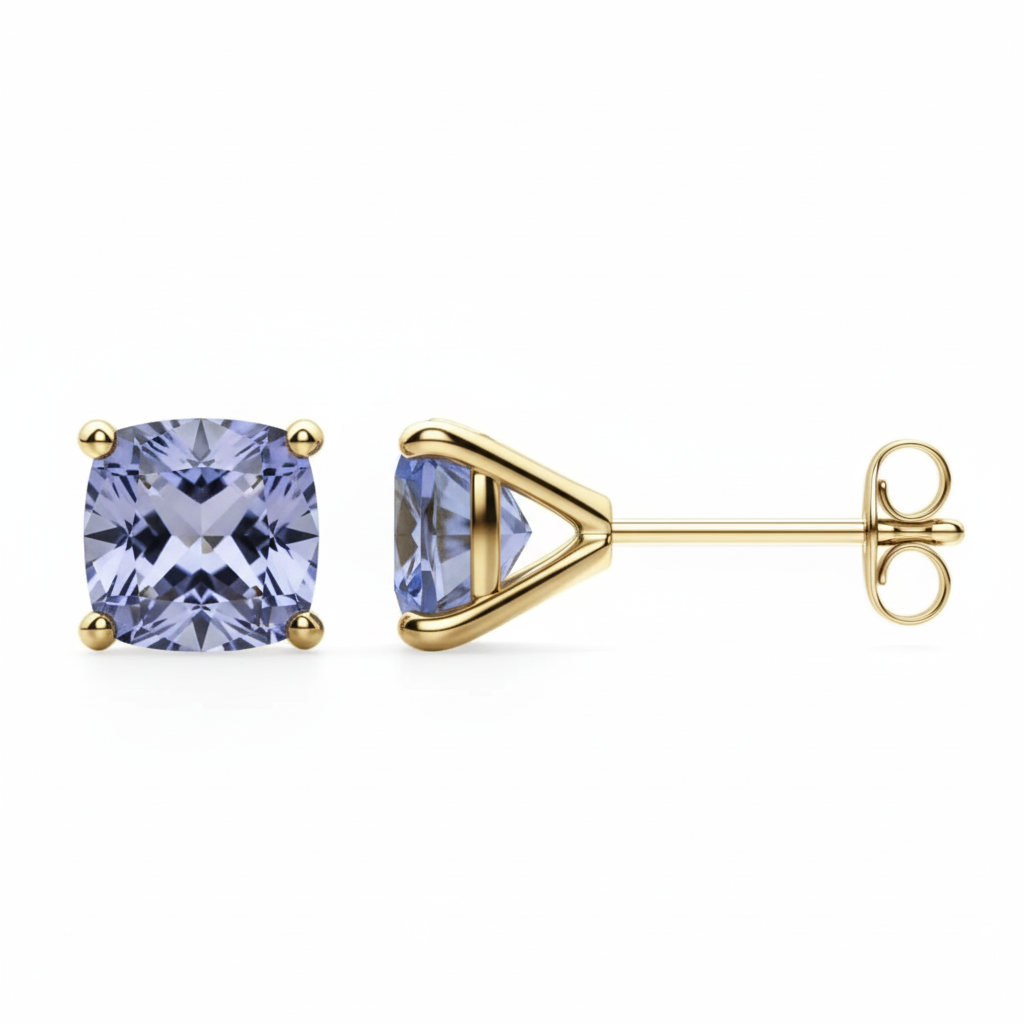
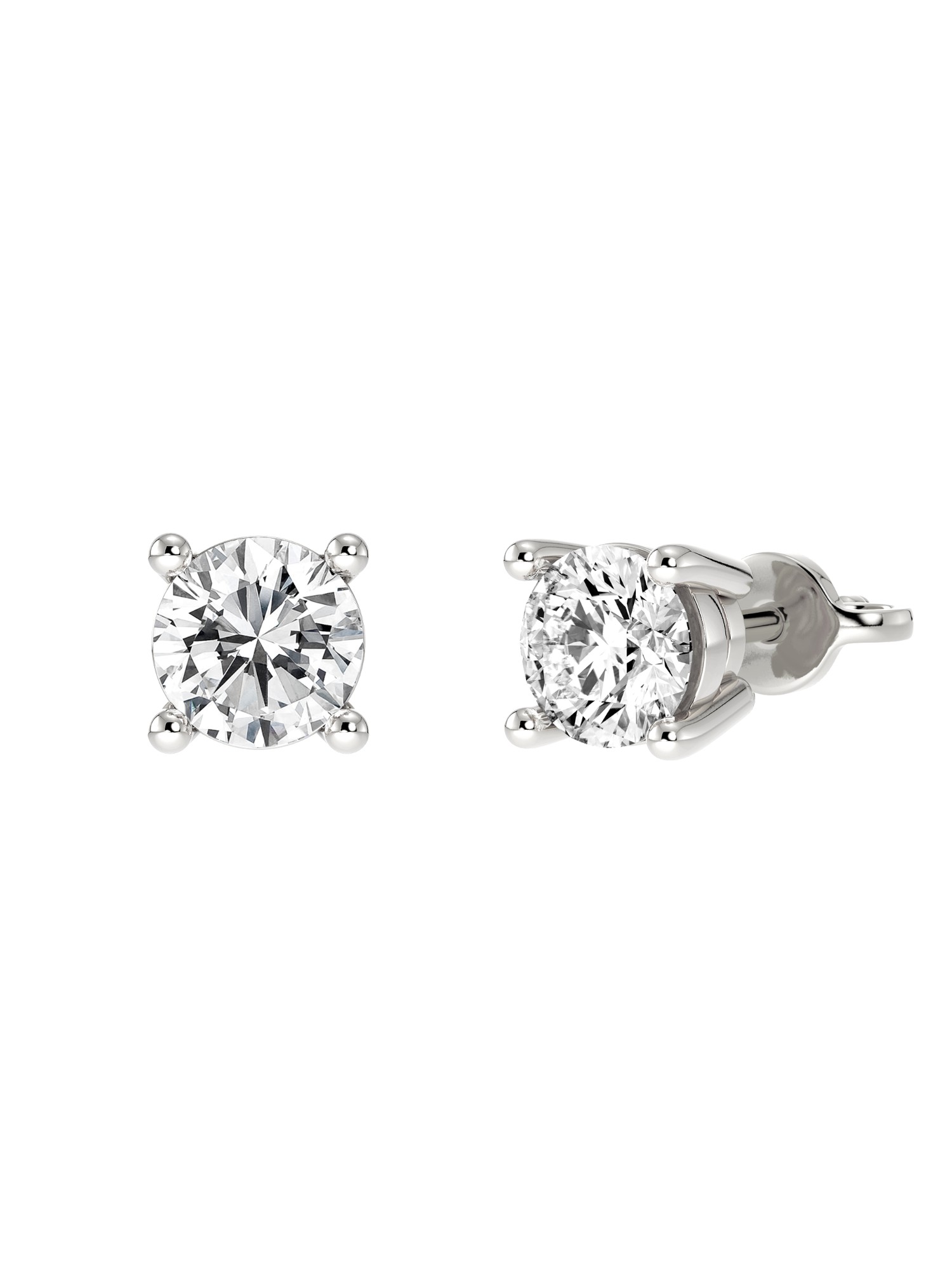
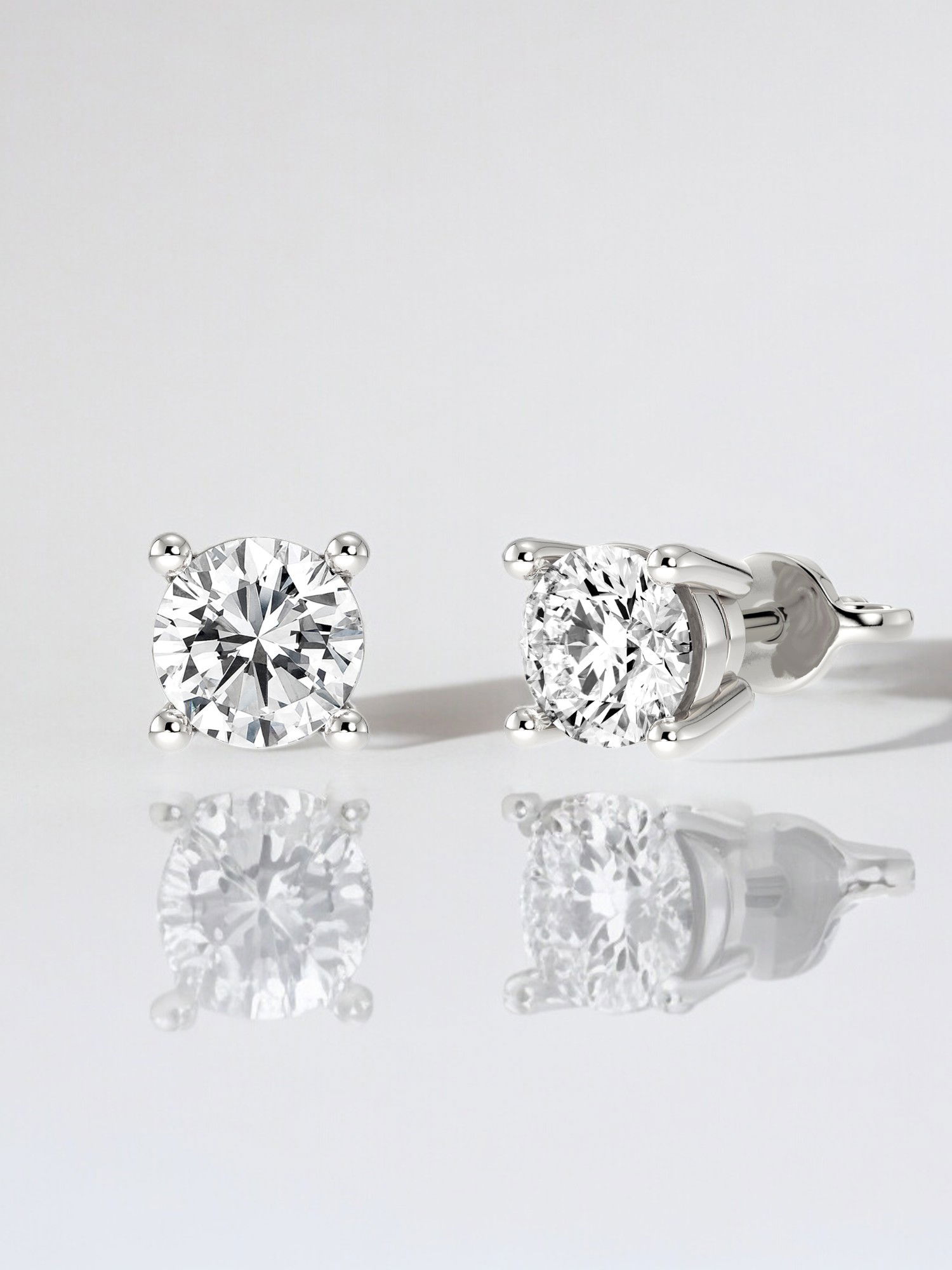
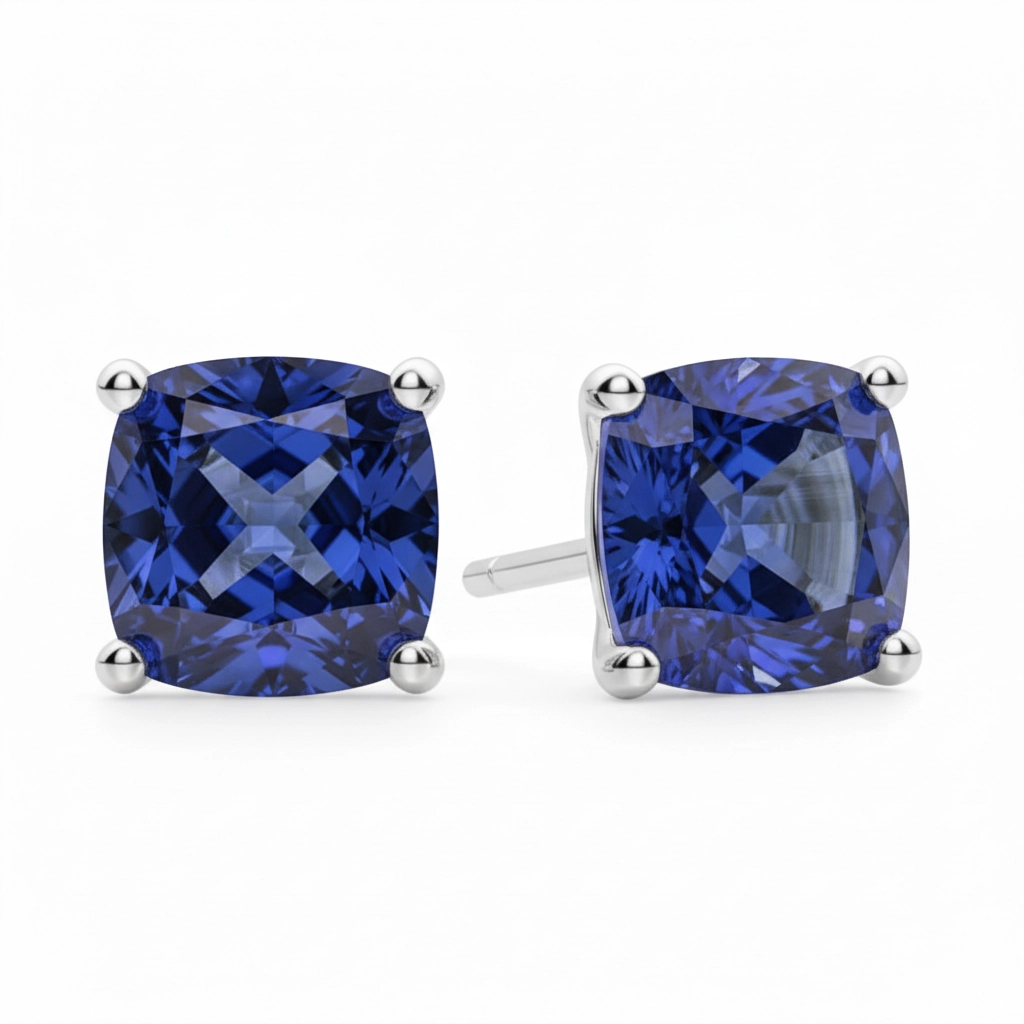
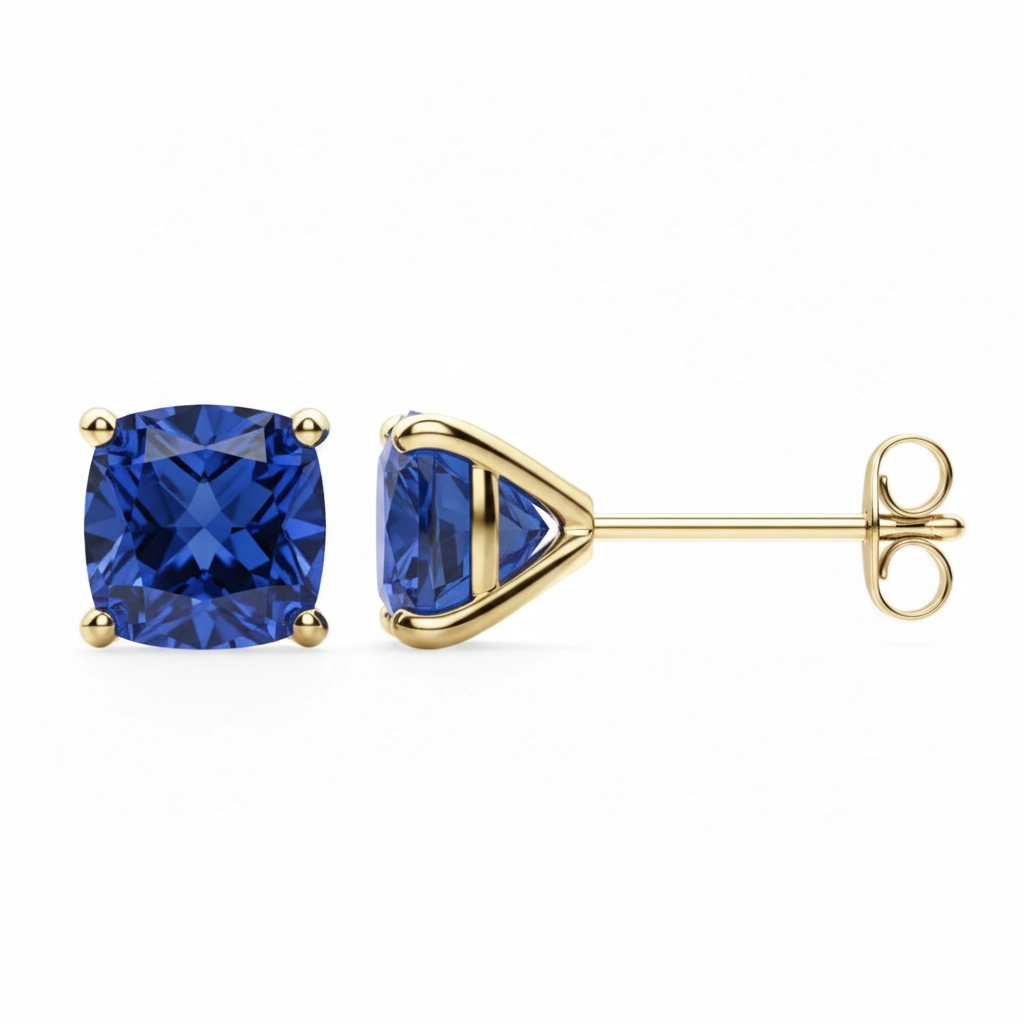
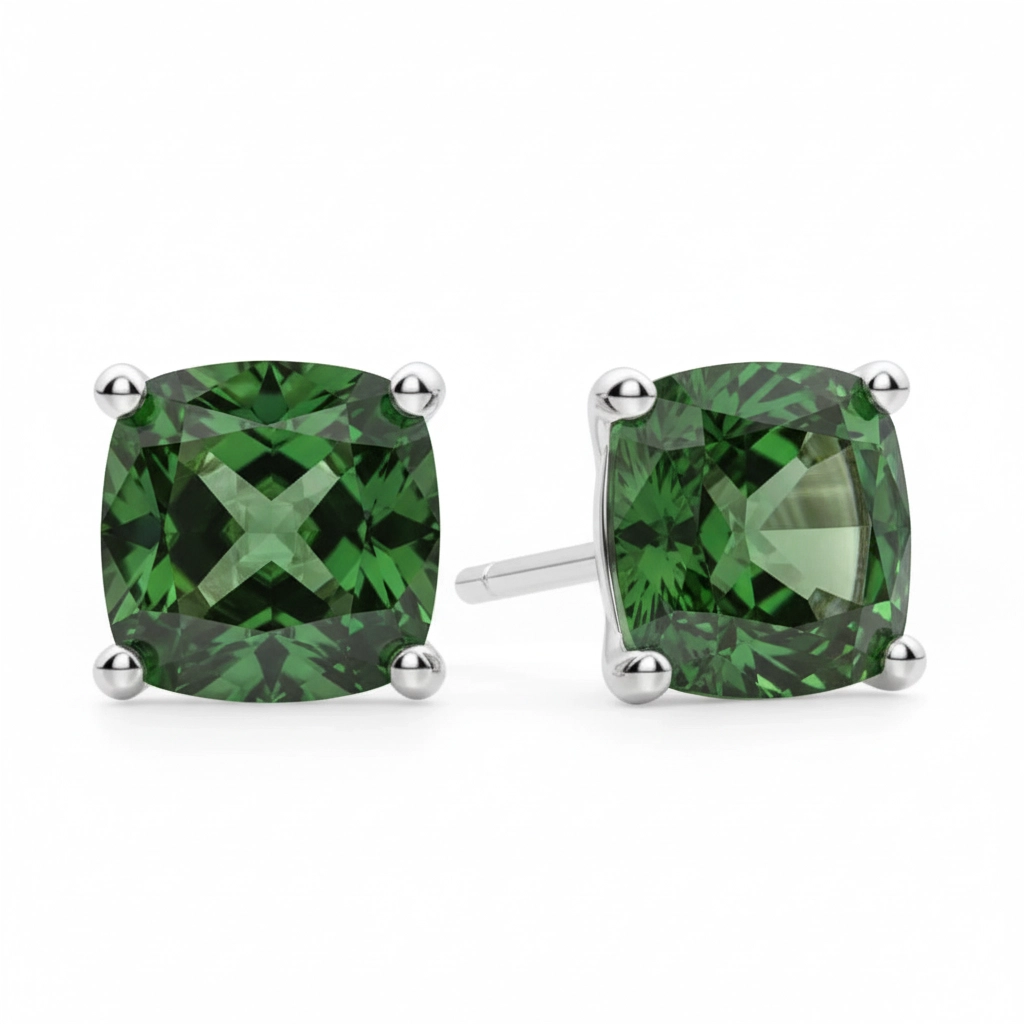
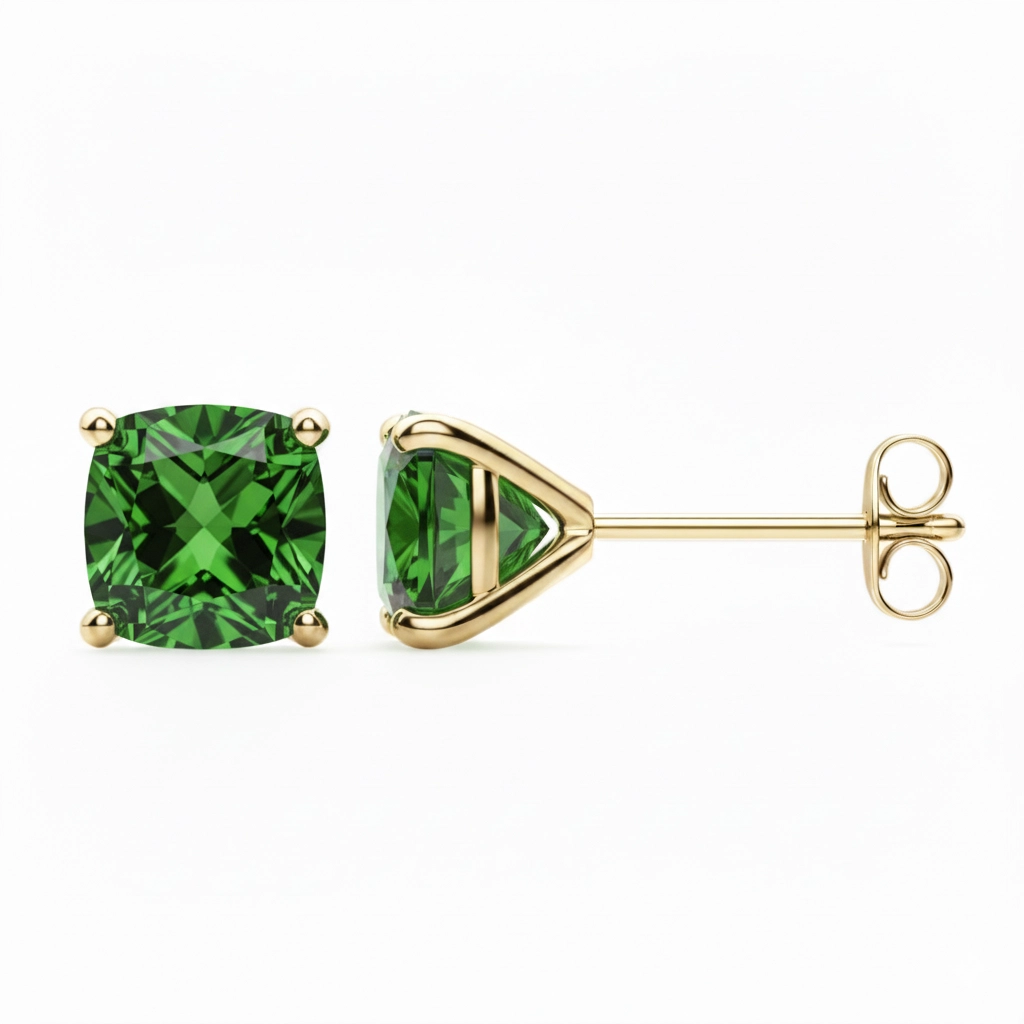
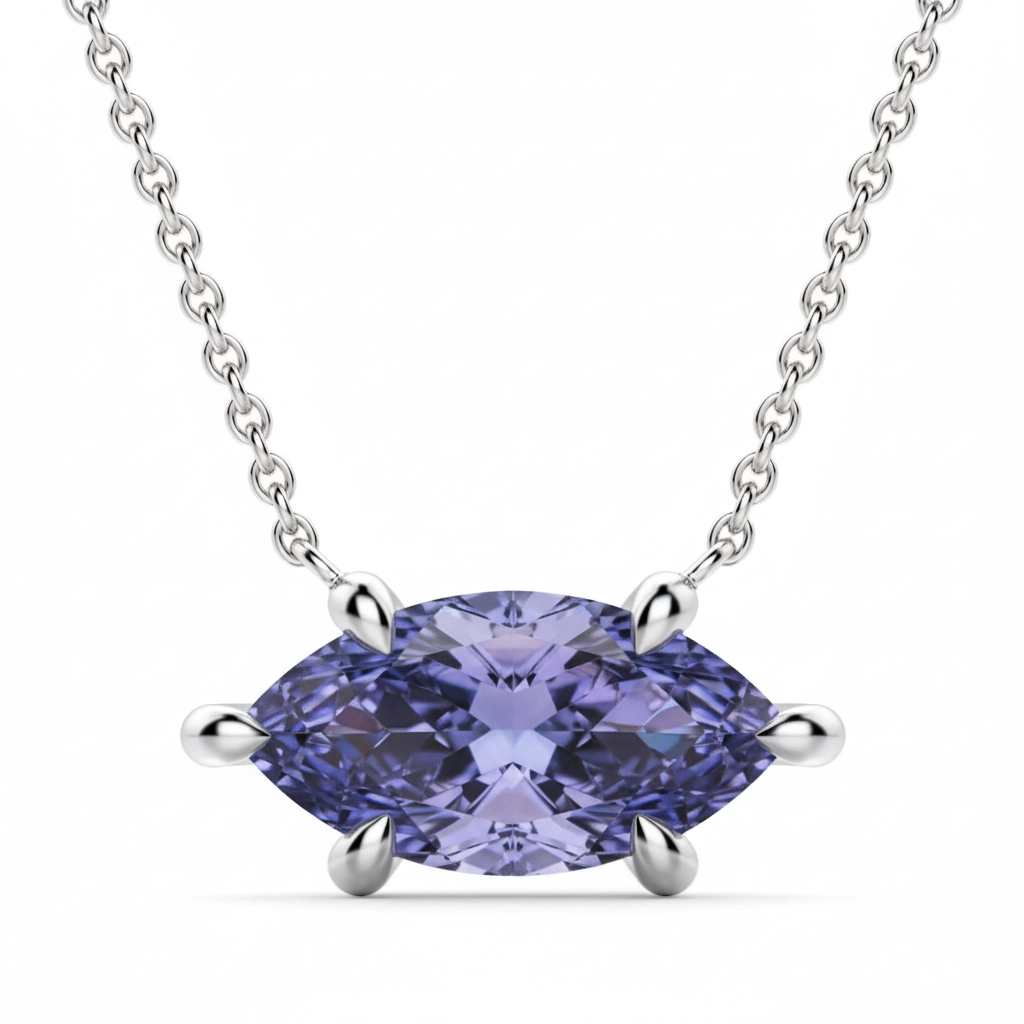
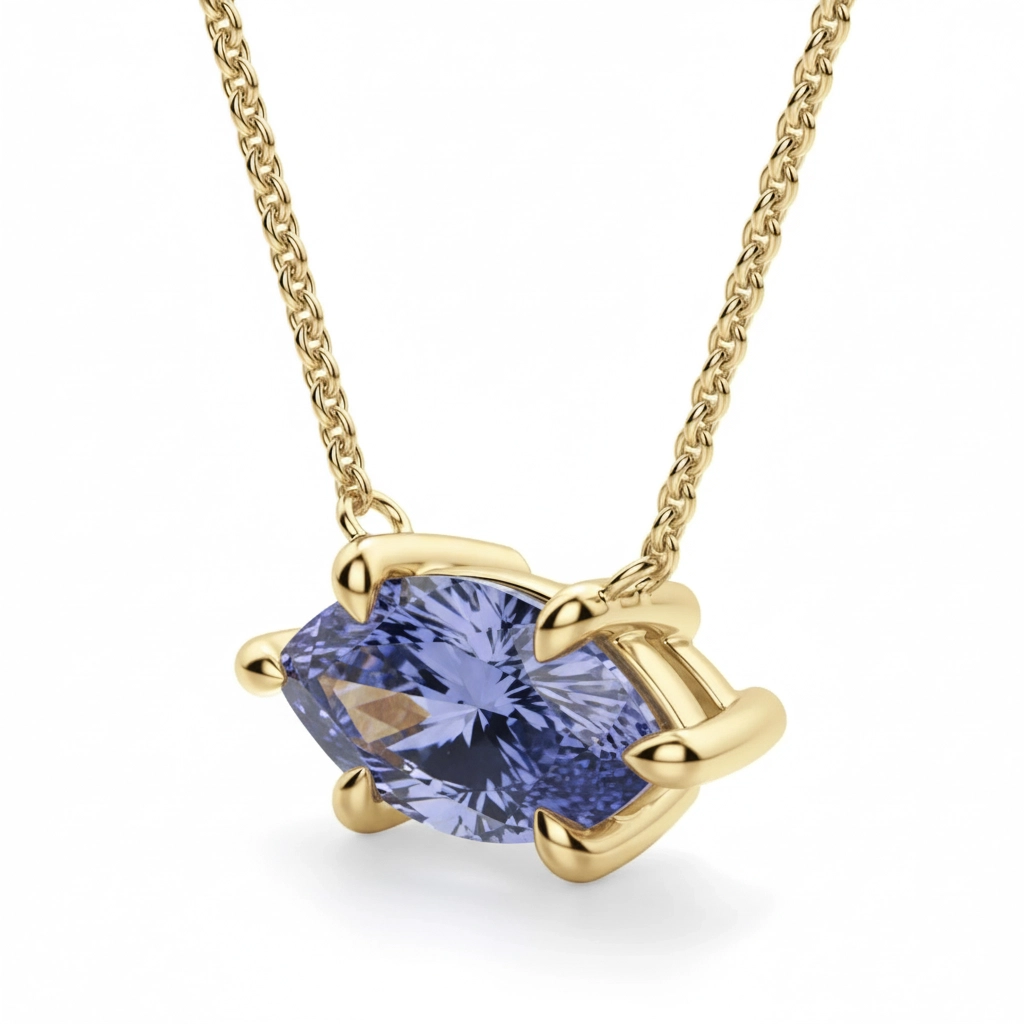
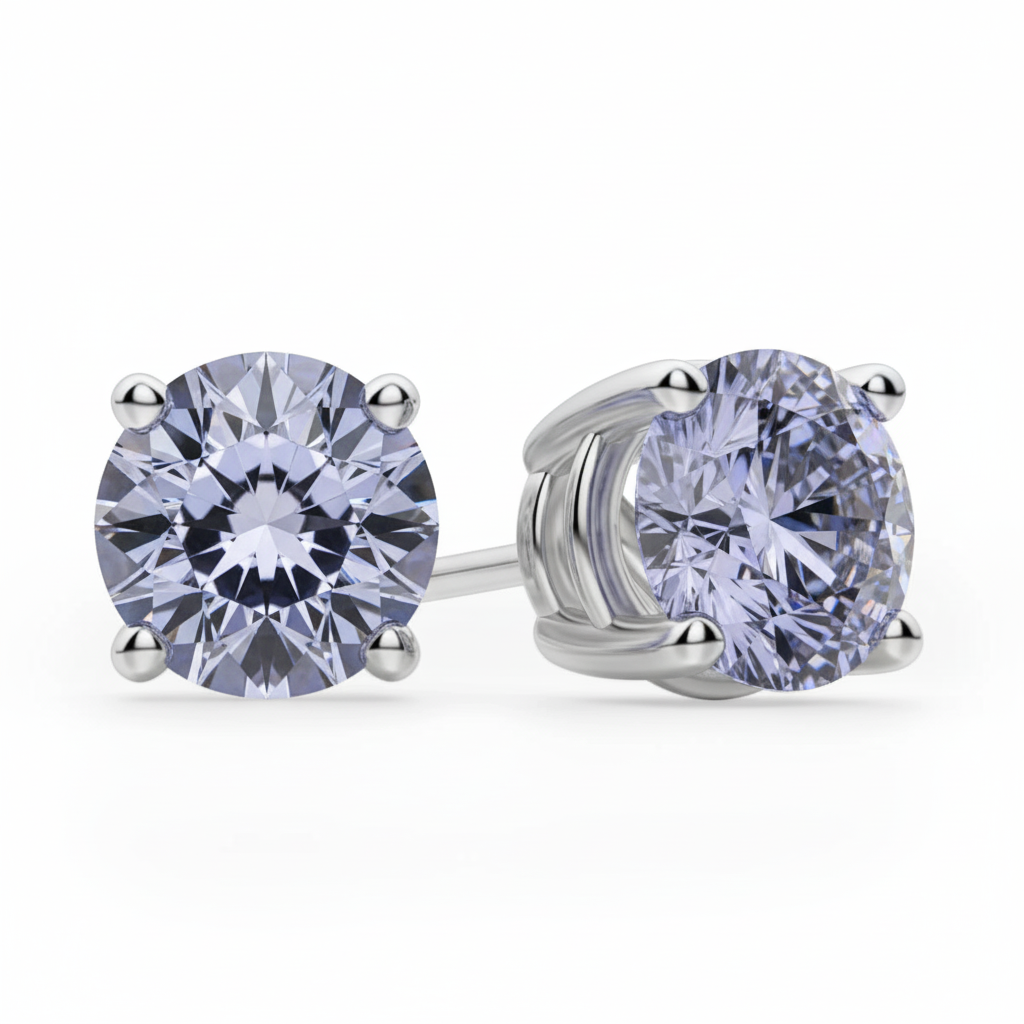
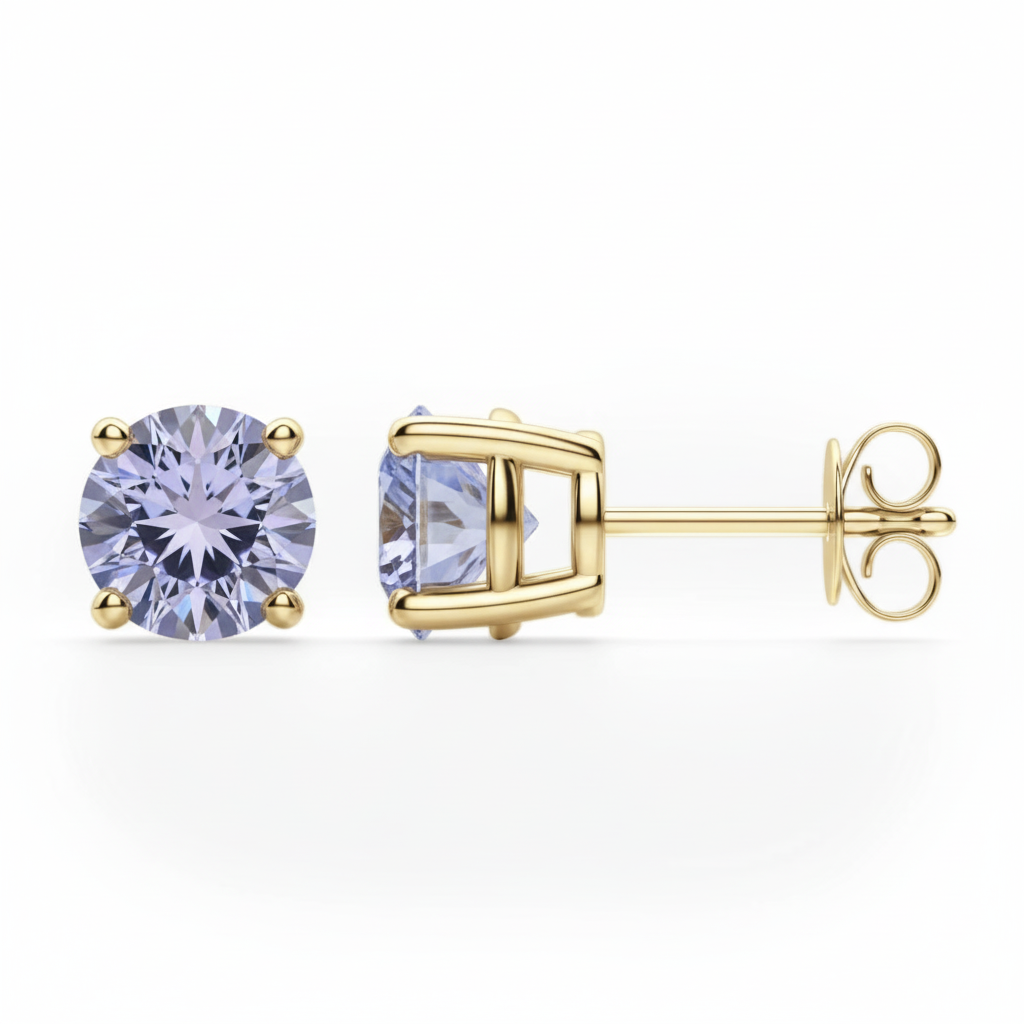
Silver has a bright, cool tone at a lighter weight than gold or platinum, making it one of the more approachable ways into fine jewelry, whether that means a first piece or a first gift. It's not usually where you'd look for an engagement ring or a piece meant to last untouched for decades, but for jewelry you wear often and wouldn't mind polishing occasionally, it more than holds its own. Diamonds show up here in a more limited way than in gold, with colourful gemstones like blue sapphire, green tourmaline and tanzanite doing most of the work across the rest of the collection.
Sterling Silver, Explained
Sterling silver, marked 925, is made up of 92.5 percent pure silver alloyed with other metals for added strength. Left in its natural tone, it has a bright, cool white finish, though it tarnishes over time and benefits from occasional polishing to keep its shine. Some pieces are also available gold-plated, with a layer of yellow or rose gold over the silver base, giving a warmer tone at a lighter weight than solid gold. Because the colour sits only on the surface in a plated piece, it can wear thinner with years of daily use, unlike a solid gold piece, where the colour runs all the way through.
Available in Silver
Whichever piece catches your eye, here's everywhere silver shows up across the collection:
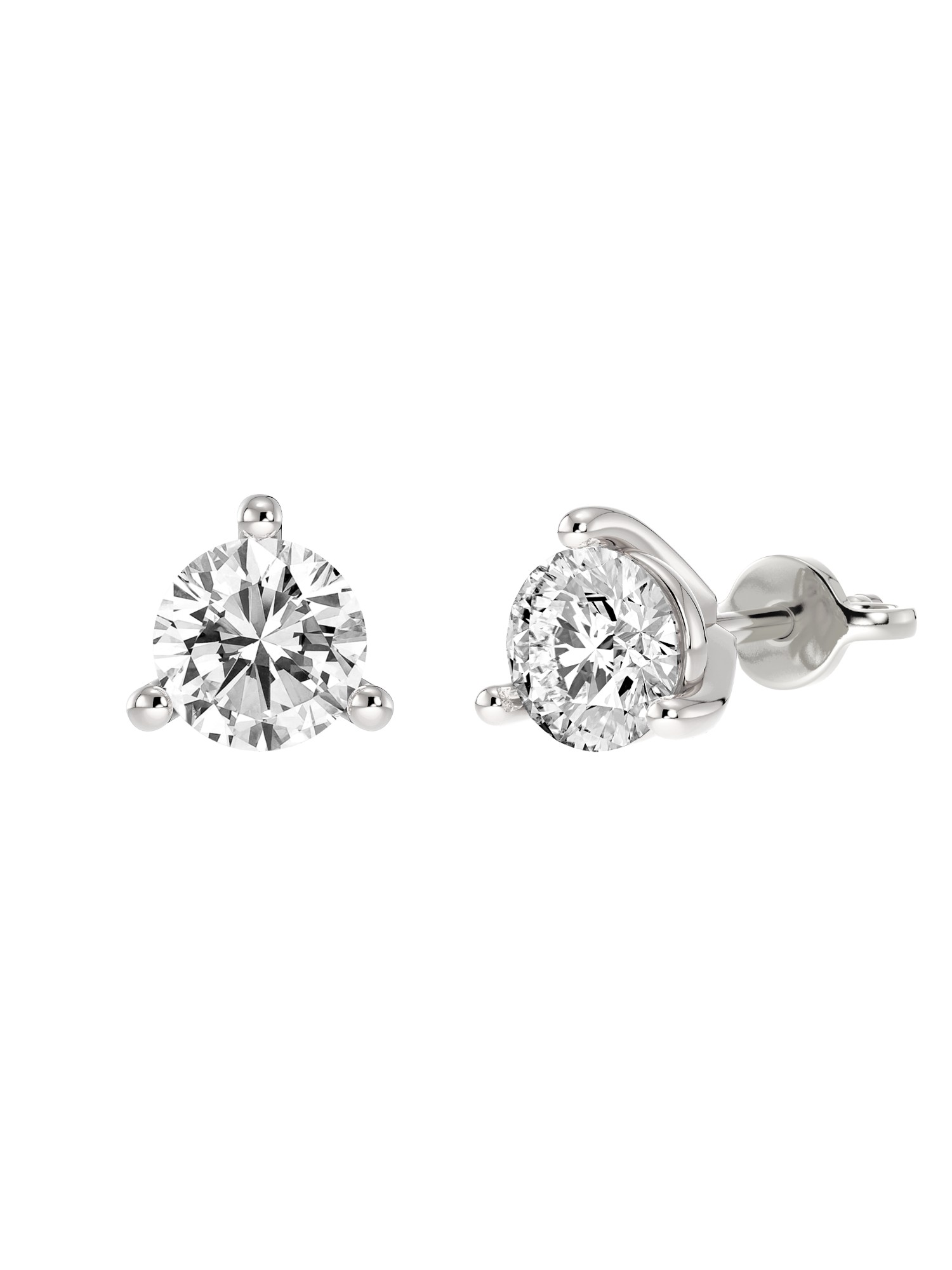
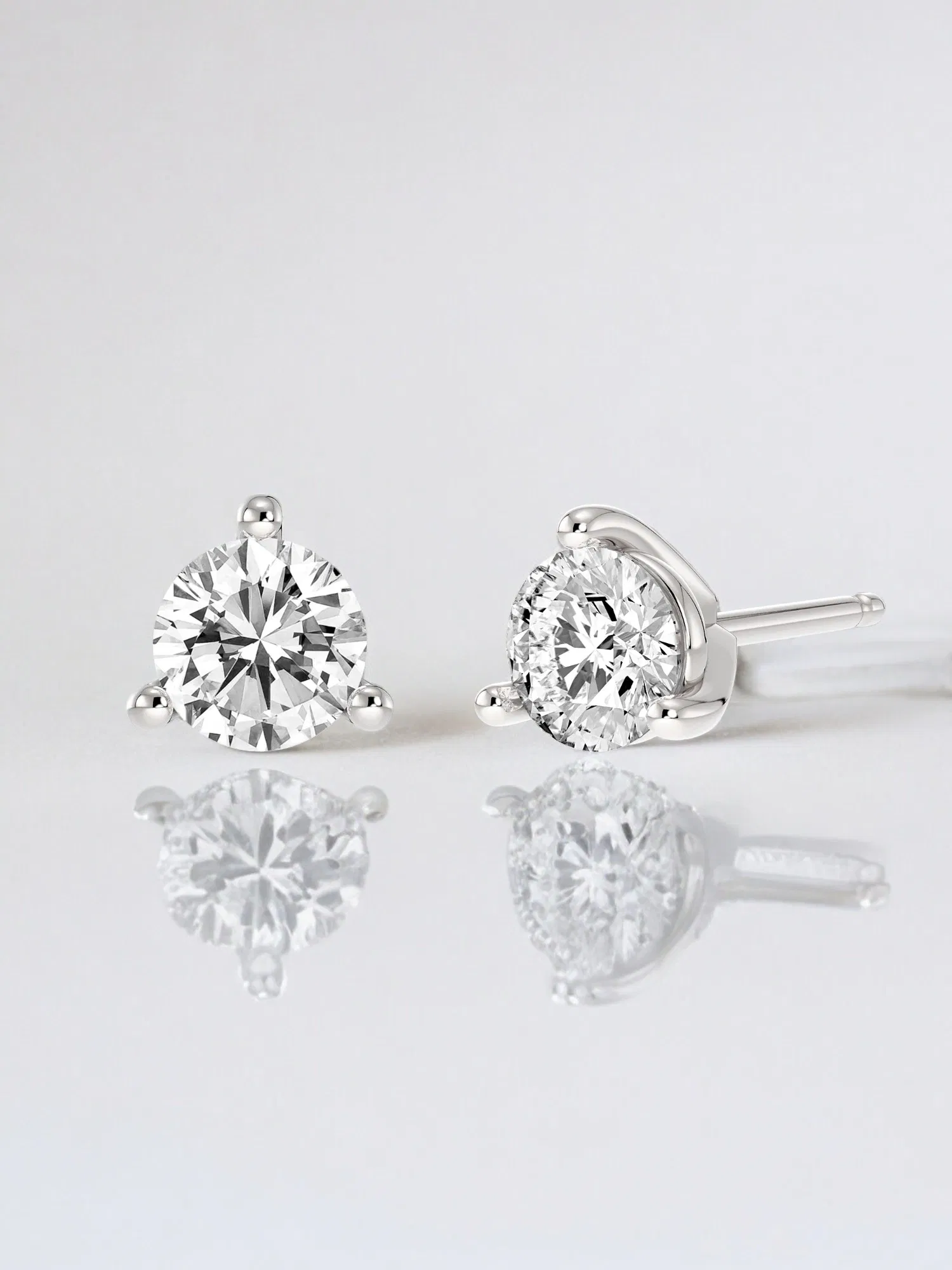
- Silver stud earrings, set with diamonds and gemstones in a range of cuts
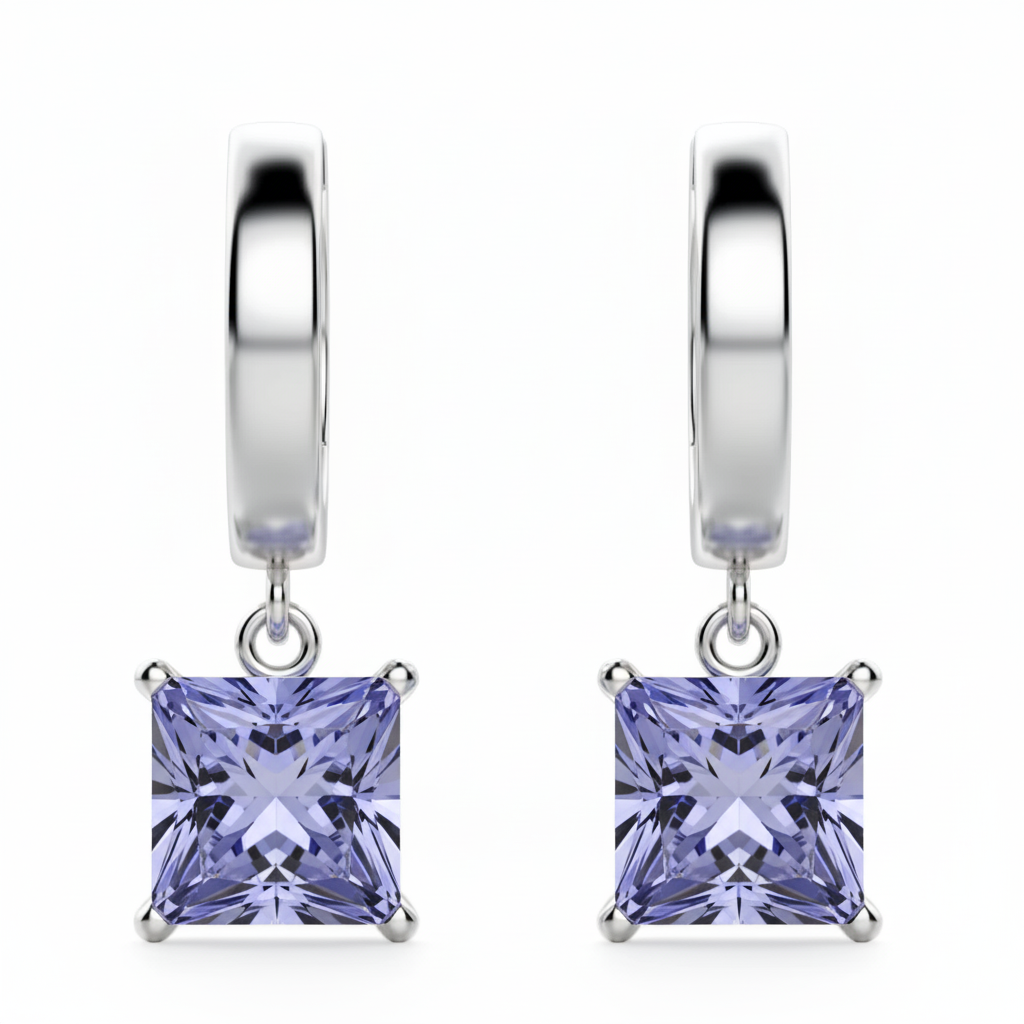
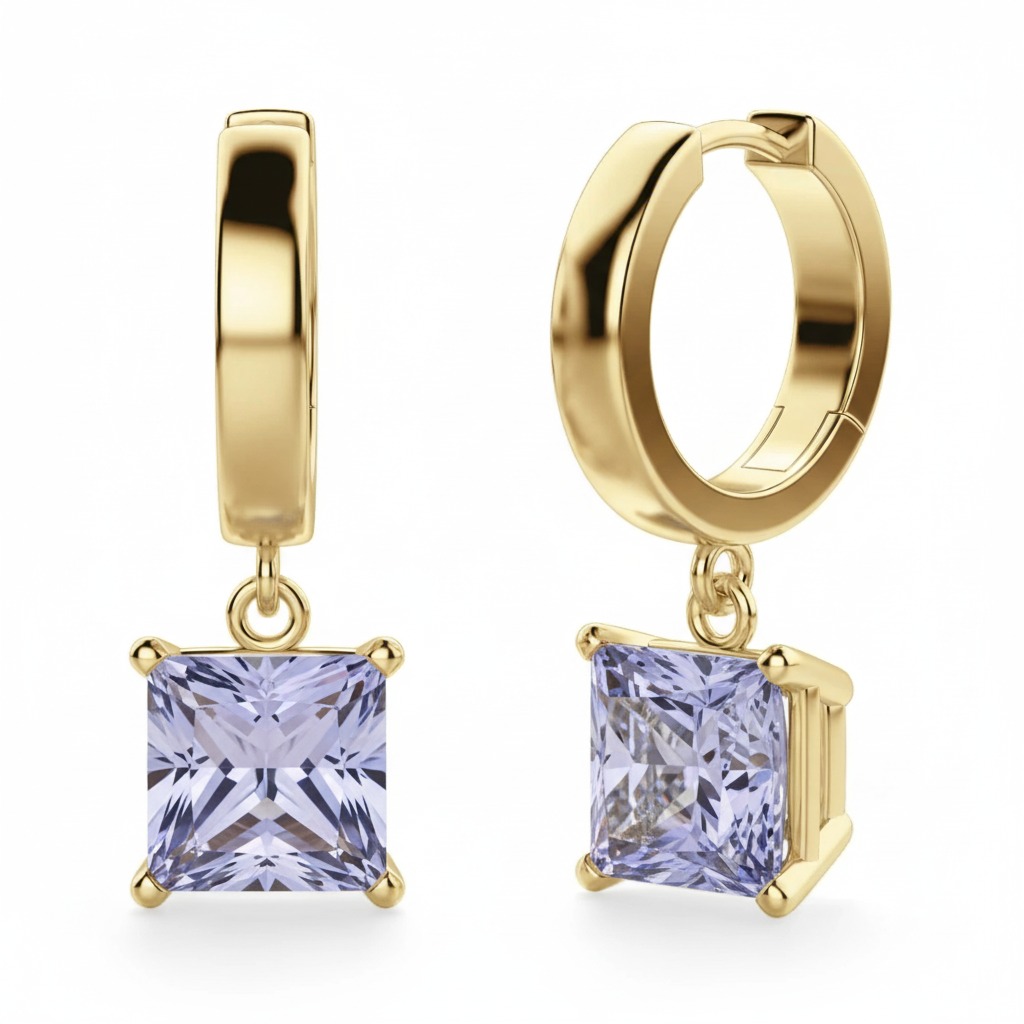
- Silver drop earrings, set with colourful gemstones like sapphire, tourmaline or tanzanite
- Silver solitaire pendants, including east-west settings, in the same range of gemstones
- A small collection of silver cross pendants
Because silver costs less than gold to start with, it's an easy way to try a colour or a shape you're not fully sure about yet, without the bigger decision a gold piece can feel like.
Related Categories: Stud Earrings, Drop Earrings, Solitaire Necklaces
Choosing Between Natural and Lab-Grown Diamonds
Whatever the piece, there's still one decision that applies across all of them: where the diamond comes from. Natural diamonds formed underground over billions of years, while lab-grown diamonds are created in a matter of weeks through a process that replicates those same conditions. Both are genuine diamonds, chemically and physically identical, and neither should be confused with simulants like cubic zirconia or moissanite — the choice comes down to personal preference, not quality.
Related: Lab-Grown vs. Mined Diamonds: An Honest Comparison
Diamond Quality and Certification
Diamond quality is measured by carat weight, colour, clarity, and cut grade. Colour is graded on a scale from colourless to visibly tinted, and our diamonds are typically graded F/G. Clarity indicates the presence of natural inclusions; ours are typically VVS/VS, meaning any inclusions are difficult to see without magnification. Larger centre stones in our collection are accompanied by an IGI certificate detailing these characteristics.
Related: The 4Cs Made Simple: What Really Affects a Diamond's Appearance