
Are Lab-Grown Diamonds a Good Investment?

At Omara, it's the question almost every couple asks once they start looking at lab-grown diamonds: "Sure, it's cheaper — but doesn't that just mean it's worth less later?" It's the single most common objection to lab-grown diamonds, and it deserves a straight answer, not a sales pitch.
Here it is up front: no, lab-grown diamonds aren't a good investment in the financial sense — but neither are natural diamonds. Below, we'll walk through exactly what the resale numbers actually show, why lab-grown prices keep dropping, and what that really means for the ring you're about to buy.
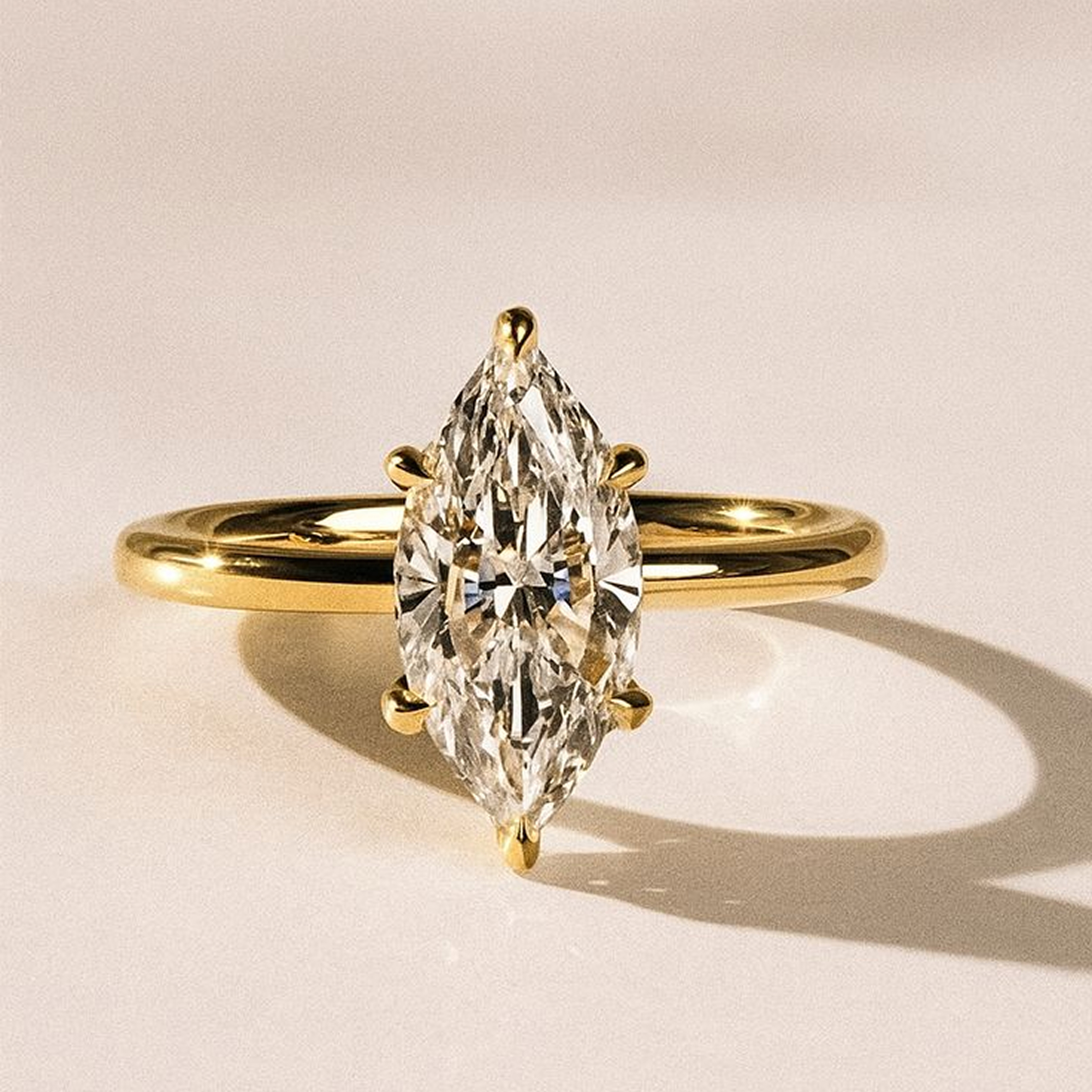
Why lab-grown diamonds cost so much less
A lab-grown diamond is chemically, physically, and optically identical to a mined one — the only difference is where it's created. Because a lab-grown stone skips the millions of years and costly mining involved in natural formation, and because production technology has become far more efficient, lab-grown diamonds now cost roughly 60 to 80% less than natural diamonds of comparable size and quality.
That's exactly why the investment question comes up so often. If you're paying dramatically less for a bigger or cleaner stone, it's fair to wonder whether that lower price tag also means less value to recover later.
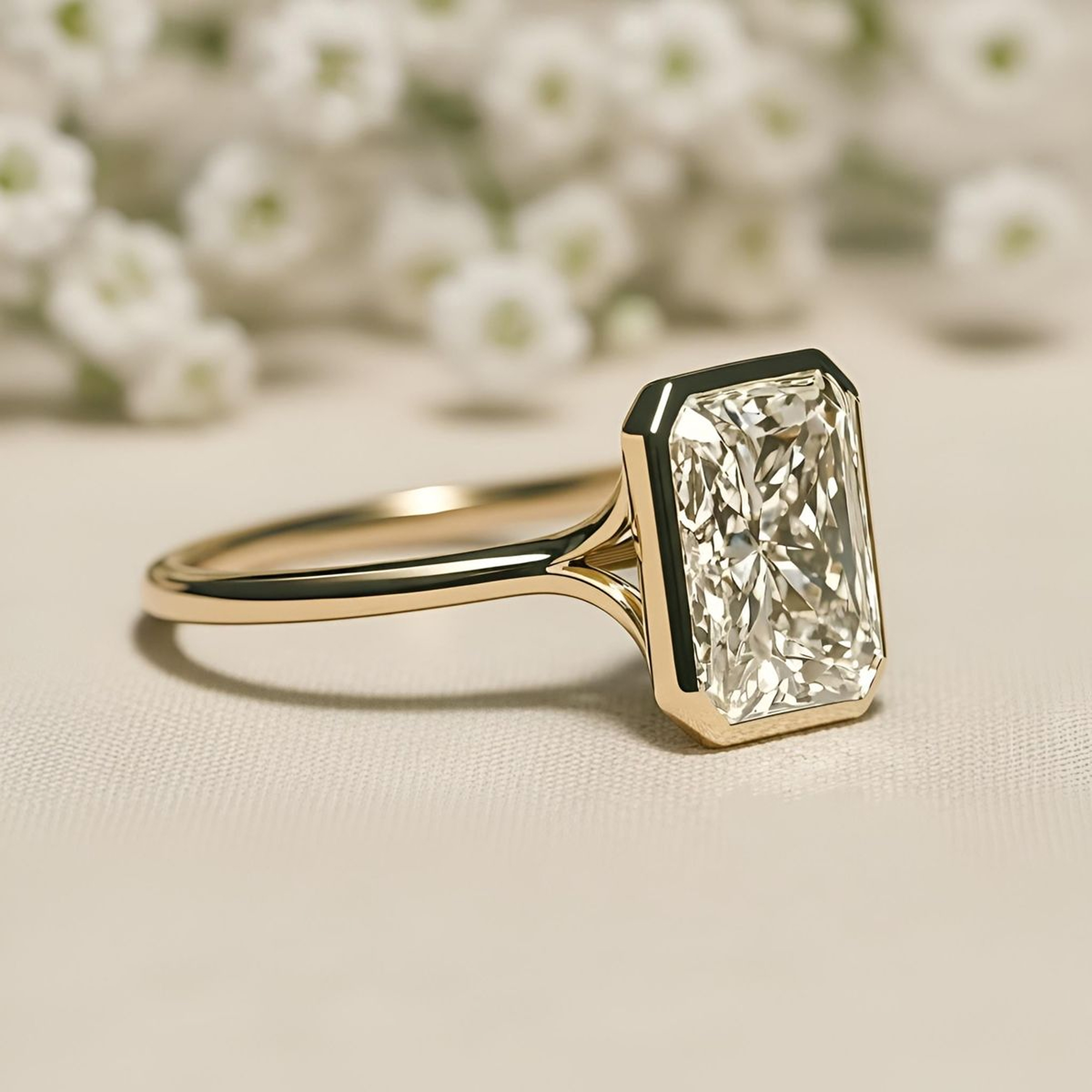
A diamond isn't a stock certificate
Before we get to the numbers, one thing needs to be said plainly: no diamond, lab-grown or natural, should be bought as a financial investment vehicle. Diamonds aren't a real asset class the way stocks, real estate, or gold bullion are. There's no liquid, transparent trading market, no guaranteed appreciation, and no fixed buy-back price.
An engagement ring is bought because of what it means, not because it's expected to behave like a savings account. Getting that expectation right from the start is the first — and most important — step toward an honest answer to the question at hand.
Lab-grown vs. natural: resale value compared
Here's the direct comparison, so you can see exactly where the numbers land:
| Factor | Lab-grown diamond | Natural diamond |
|---|---|---|
| Purchase price | Roughly 60–80% less than a comparable natural stone | Significantly higher for the same size and quality |
| Typical resale value | About 20–40% of original purchase price | About 40–60% of original purchase price |
| Price trend over time | Trending steadily downward as production technology and competition increase | Historically comparatively stable |
In percentage terms, lab-grown diamonds do lose more of their value on resale than natural diamonds — that part of the objection is accurate, and we're not going to pretend otherwise. On top of that, there's a real ongoing market trend to factor in: as lab-grown production technology keeps improving and more producers enter the market, lab-grown diamond prices keep falling year over year, which tends to weigh on resale prices for stones already purchased as well.
The honest verdict
So, are lab-grown diamonds a good investment? As a financial asset — no. But as we've said, that's just as true of natural diamonds. Neither behaves like a real asset class, and neither should be the reason you buy a diamond in the first place.
If resale value genuinely matters to you — say, you see the ring as part of a future financial cushion — a natural diamond retains more of its value percentage-wise, and that's a legitimate reason to choose one. Omara is happy to walk you through that trade-off honestly, without steering you either way.
For most couples, though, the ring is worn for life and never resold, which makes the resale question close to irrelevant in practice. In that case, a lab-grown diamond gets you a bigger, cleaner, or higher-quality stone for the same budget — one that's every bit as real, as hard, and as brilliant as its natural counterpart. The right choice comes down to your priorities, not to treating a diamond like a portfolio holding.
Shop engagement rings
Frequently Asked Questions
Next article

The 4Cs Explained Simply: What Actually Affects a Diamond's Look
Cut, color, clarity, and carat — which of the 4Cs actually matter most? A practical guide to choosing a diamond with confidence.