
What a Diamond Certificate Actually Means (and Why It Matters)
A diamond is one of the few purchases in life where your eyes simply cannot tell you everything you need to know. Two stones can look almost identical side by side and still differ meaningfully in quality and value. That gap is exactly what a diamond certificate closes: an independent, verifiable record of what you are actually buying, regardless of how the price tag is worded or how persuasive a sales pitch sounds.
In this article, we walk through what a diamond certificate actually means, what information it contains, which labs are considered reliable, and what to watch out for when you're buying. Our aim isn't to make you anxious about the process — it's to give you the confidence to make an informed choice. At Omara, every diamond we sell comes with an independent certificate, so you always know exactly what you're choosing.
What's actually on a diamond certificate?
A diamond certificate — also called a grading report — is the written assessment of a diamond issued by an independent gemological laboratory. It describes the stone's characteristics precisely enough that the diamond can be identified from the document alone. Here's what you'll typically find on one:
1. Report number and basic details
- Report number: A unique identifier that lets you look up and verify the certificate directly on the issuing lab's website.
- Shape and cutting style: For example round, oval, cushion, or emerald cut, along with the precise cut classification.
- Origin: A statement of whether the diamond is natural or laboratory-grown.
2. The 4Cs: carat, color, clarity, cut
- Carat: The diamond's exact weight, measured to the hundredth of a carat.
- Color: For natural diamonds, graded on a scale from D (colorless) to Z (light tint).
- Clarity: An assessment of internal and external characteristics, ranging from FL (flawless) to I (inclusions visible to the naked eye).
- Cut: The quality of the diamond's proportions, symmetry, and polish — the single factor that most influences how brilliantly it catches light.
3. Measurements and proportions
- Measurements: The stone's length, width, and depth in millimeters.
- Proportions: Figures such as crown angle, girdle thickness, and table size that determine how light travels through the stone.
4. Clarity plot
- Plotting diagram: A schematic drawing that maps the location and type of a stone's internal characteristics, effectively giving each diamond its own fingerprint.
5. Fluorescence
- Fluorescence: A note on whether, and how strongly, the diamond glows under UV light — a detail that can be relevant to its face-up appearance.
6. Laser inscription and online verification
- Laser inscription: Many diamonds have their report number microscopically engraved on the girdle, invisible to the naked eye.
- QR code or online lookup: Lets you cross-check the certificate's details directly against the lab's own database at any time.
Why a diamond certificate actually matters
Without an independent assessment, you're relying entirely on the seller's word — and that word can be optimistic, whether intentionally or not. A diamond certificate sets an objective standard: it's issued by a lab with no financial stake in the sale, so its grading is genuinely independent of the transaction.
A certificate is also the foundation for insurance. Without documented characteristics, it's nearly impossible to replace or accurately value a diamond after a loss. And if you ever want to sell the piece or have it re-evaluated, a recognized certificate is usually what allows a buyer or appraiser to take the stone seriously in the first place.
GIA and IGI: the leading labs
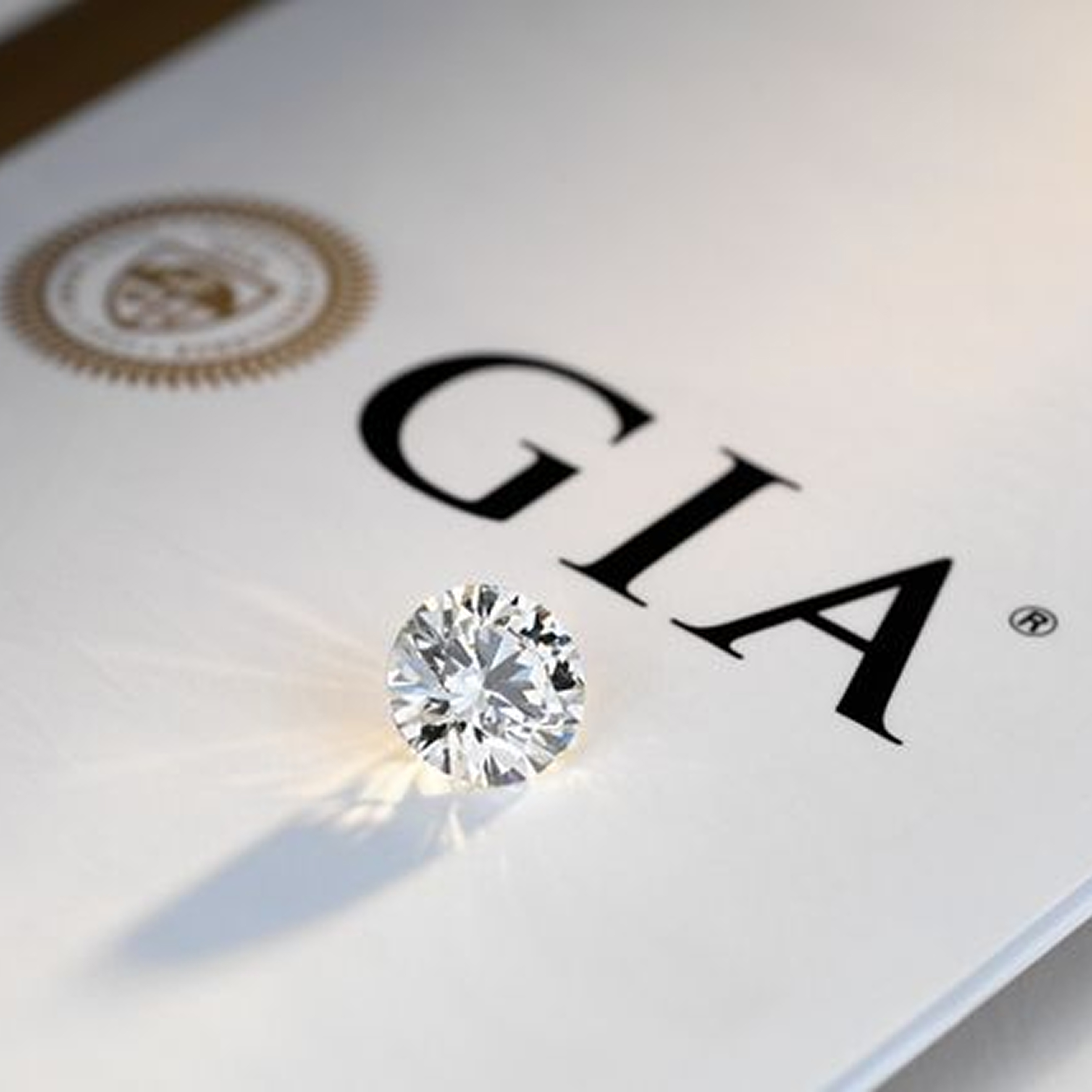
Not every lab carries the same weight. The two most widely trusted reference labs worldwide are the GIA (Gemological Institute of America) and the IGI (International Gemological Institute). Both grade natural and laboratory-grown diamonds under strict, standardized procedures and are held in high regard across the industry.
One detail worth knowing: for lab-grown diamonds, GIA now issues a simplified assessment using "Premium" and "Standard" classifications rather than the traditional color and clarity scale. IGI, by contrast, still applies the same full color and clarity scale to lab-grown diamonds as it does to natural ones. Both approaches are legitimate — they simply present the grading differently, not less rigorously. At Omara, we make sure the certificate behind every diamond is clear and easy to read, whatever format it takes.
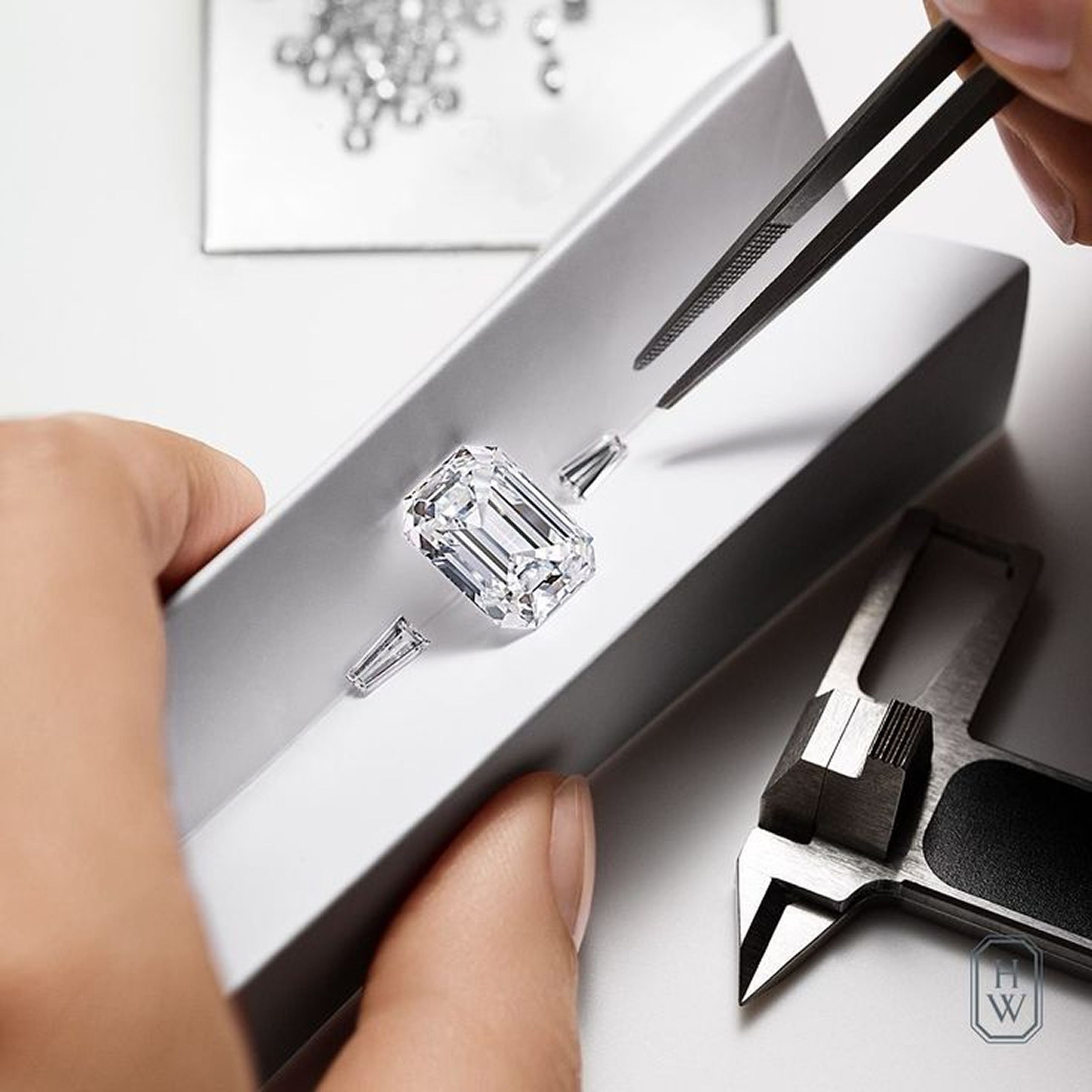
A diamond certificate and an appraisal serve different purposes, and it's easy to mix them up. The certificate describes the stone's objective characteristics — carat, color, clarity, cut, and more — without assigning a monetary value. An appraisal, on the other hand, assigns a value in currency to the diamond (usually including its setting), typically for insurance purposes, and is normally carried out separately by an appraiser, often based on the details in the certificate. For a homeowner's or renter's insurance policy, you'll frequently need both documents.
Be cautious if a diamond is offered with no certificate at all, if the certificate comes from an unfamiliar or non-independent lab, or if the measurements listed on the document don't match the stone in front of you. When in doubt, it's always worth checking the issuing lab's own online lookup tool: every report number can be verified there free of charge against the physical certificate.
Frequently Asked Questions
Next article
How to Find Out Her Ring Size Without Her Knowing
Proven, discreet tricks to find her ring size without giving away the surprise. Full size chart and tips for a confident purchase.