
Gold or Platinum: Which Metal Is Right for You?
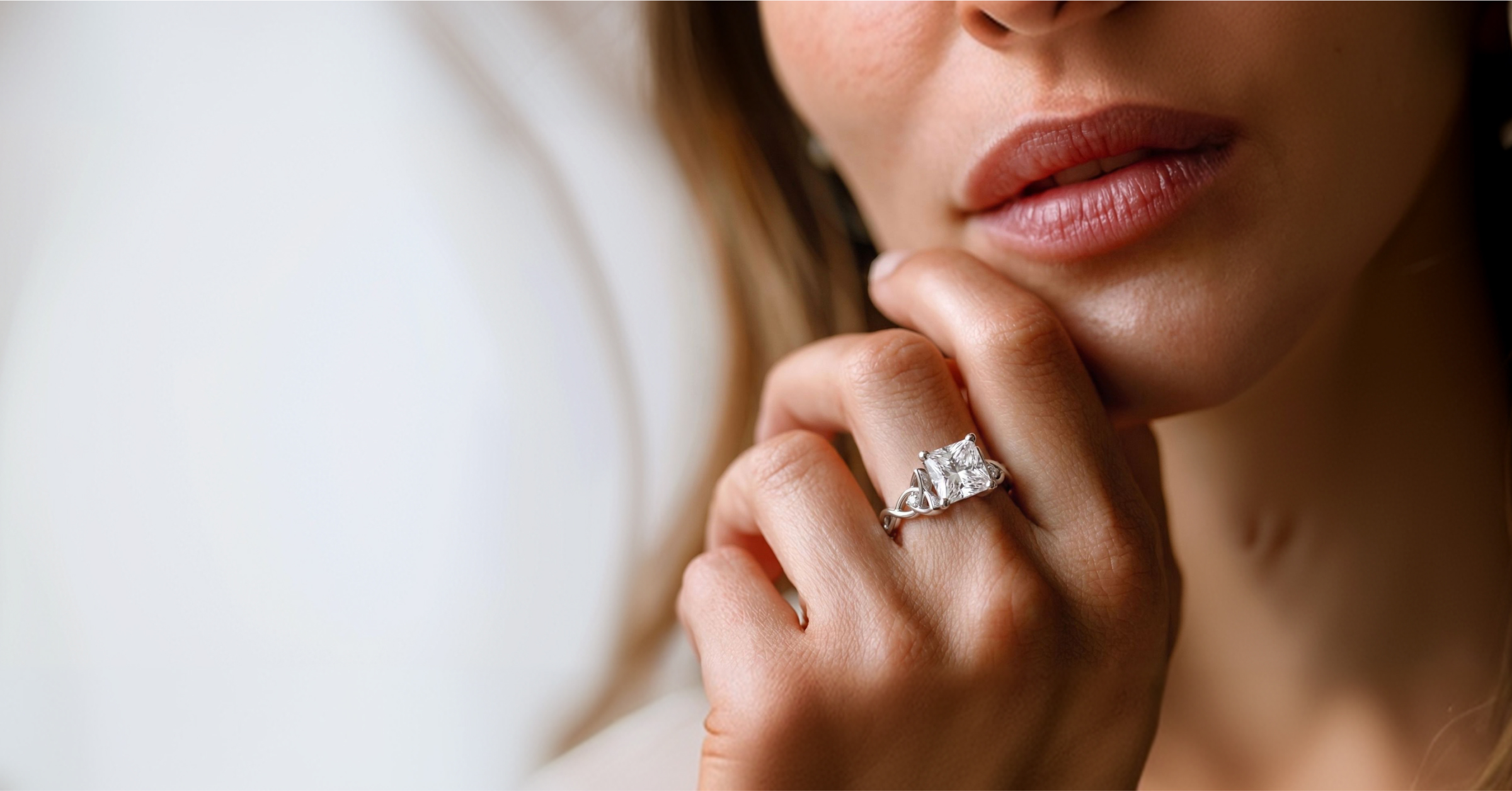
When choosing an engagement ring, most of the attention goes to the diamond — its cut, color, clarity. The metal of the setting often gets decided almost as an afterthought, even though it's the part that shapes the ring for decades to come: its color, how it feels on the hand, how it ages, and how much upkeep it asks for. There's no single right answer to "gold or platinum ring" — both are excellent choices for engagement rings, but they behave differently in ways you'll actually notice day to day.
In this guide, we compare gold and platinum honestly, without a sales pitch: composition, durability, color, price, and the care each one asks for over time. At Omara, we're happy to walk through this decision with you in person — but it helps to start with a clear picture of the facts, so here they are.
What's actually in your ring?
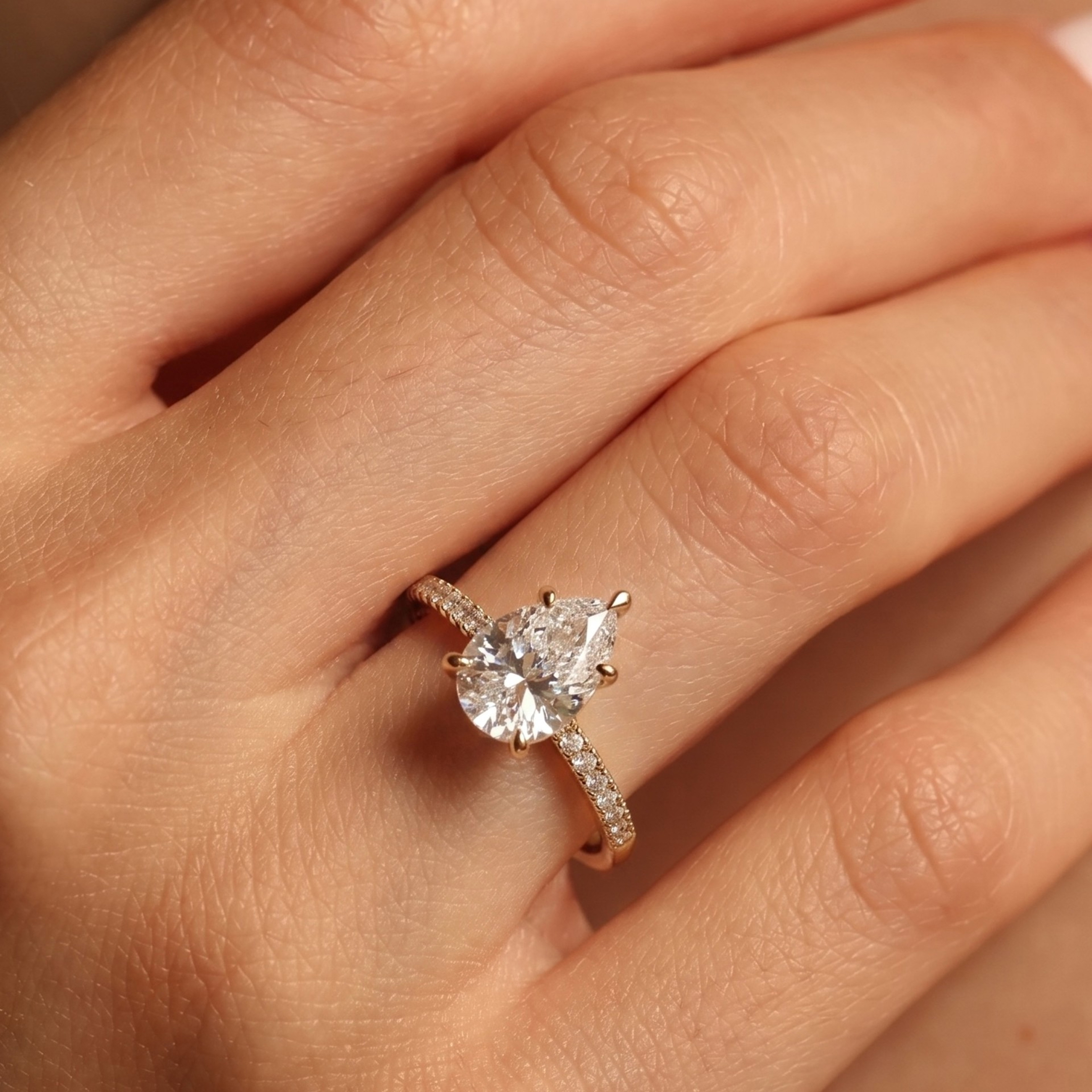
Pure gold is too soft for everyday wear, so jewelry gold is always alloyed with other metals. That alloy determines the karat purity stamped inside the band — commonly 14K (58.3% gold) or 18K (75% gold), with 10K (41.7% gold) also used in some markets for extra hardness at a lower price. The remaining share of the alloy is made up of silver, copper, zinc, or palladium, depending on whether the result is yellow, rose, or white gold. This blending is what makes gold durable enough for daily wear, but it also shifts its color and subtly changes its properties.
Platinum, by contrast, is used almost pure in fine jewelry — typically at 95% purity, stamped as "950" or "Pt950." The small remaining fraction, usually ruthenium or iridium, is there only to add stability. In practice, this means a platinum ring is nearly all platinum itself, not a blend engineered to give it its character.
Durability and how each metal wears
Platinum is significantly denser than gold and is considered one of the most durable precious metals used in jewelry. When a platinum ring gets scratched, no metal is actually lost — it's simply displaced across the surface. Over years of wear, this creates a soft, matte patina that many people come to love as a sign of a ring that's genuinely lived-in. That patina can always be polished back to a high shine whenever you want the original look again.
Gold, especially at higher purities like 18K, is softer and more prone to fine scratches and surface wear. 14K gold, with its higher share of alloy metals, is somewhat harder and more resistant to everyday knocks — which is part of why it's such a popular choice for engagement rings. Over many years, gold does lose a small amount of material to wear, so a heavily worn ring can eventually feel slightly thinner at the band. For most wearers, though, this only becomes noticeable after a decade or more.
Gold vs. platinum, side by side
| Feature | Gold | Platinum |
|---|---|---|
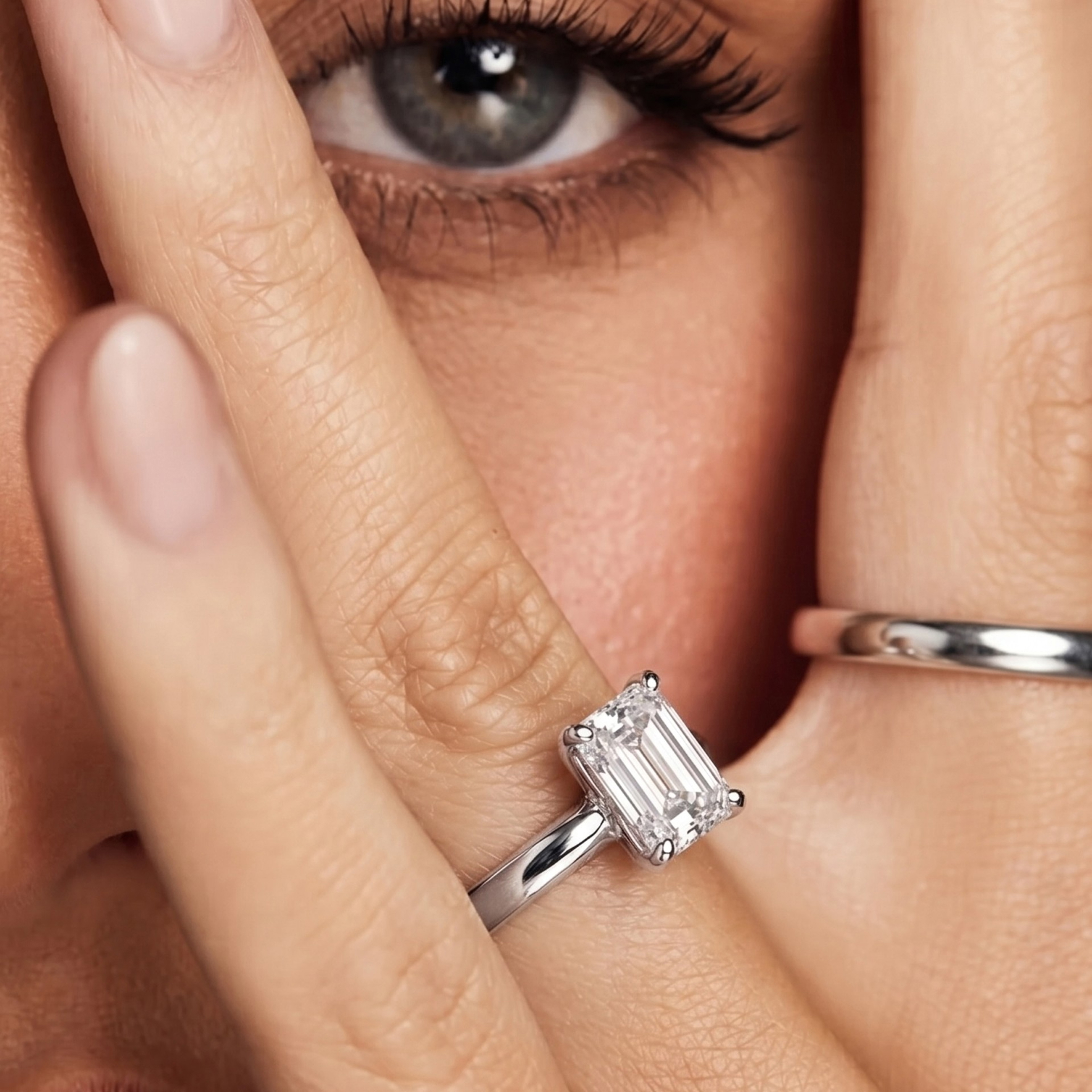
| Color & shine | Yellow, rose, or white (white gold relies on rhodium plating); warm luster | Naturally white, never fades or shifts tone; cool, consistent shine |
| Durability | Sturdy but softer; higher karats show fine surface wear over time | Very dense and resilient; scratches displace metal rather than remove it |
| Price | More accessible, varies with karat and the gold market | Noticeably more expensive — driven by higher density (more metal by weight) and more demanding refining |
| Maintenance | White gold needs occasional rhodium replating; yellow and rose gold mainly need regular cleaning | No replating ever needed; occasional polishing if you prefer a high-shine look |
Living with the ring: everyday care
Both metals are built to last a lifetime with the right care — the routines just look a little different:
- White gold: Its bright white finish comes from a thin rhodium plating layer that wears down gradually, letting the naturally warmer tone of the gold underneath show through. This is completely normal, not a flaw — every two to three years, a jeweler can professionally replate the ring and restore its original bright white finish.
- Yellow and rose gold: No plating involved, so care is mainly about regular cleaning with warm water and a mild soap to keep the shine.
- Platinum: Develops a natural patina over time. If you prefer the original mirror finish, a jeweler can polish it back at any point — replating is never necessary, since the surface itself is the precious metal.
- For both metals: Keep rings away from chlorine and harsh cleaning chemicals, avoid hard impacts, and have a jeweler check the setting once a year to make sure the stone still sits securely.
So, which metal is better?
Choose gold if:
- You love the warmth of yellow or rose gold
- You'd rather put more of your budget toward the diamond
- You don't mind having white gold replated every few years
- You prefer a lighter ring on your hand
Choose platinum if:
- You want a permanently white metal with no replating, ever
- Maximum durability and density matter most to you
- You have sensitive skin or a known nickel allergy
- You like the substantial, weighty feel of platinum on the hand
Frequently Asked Questions
Next article
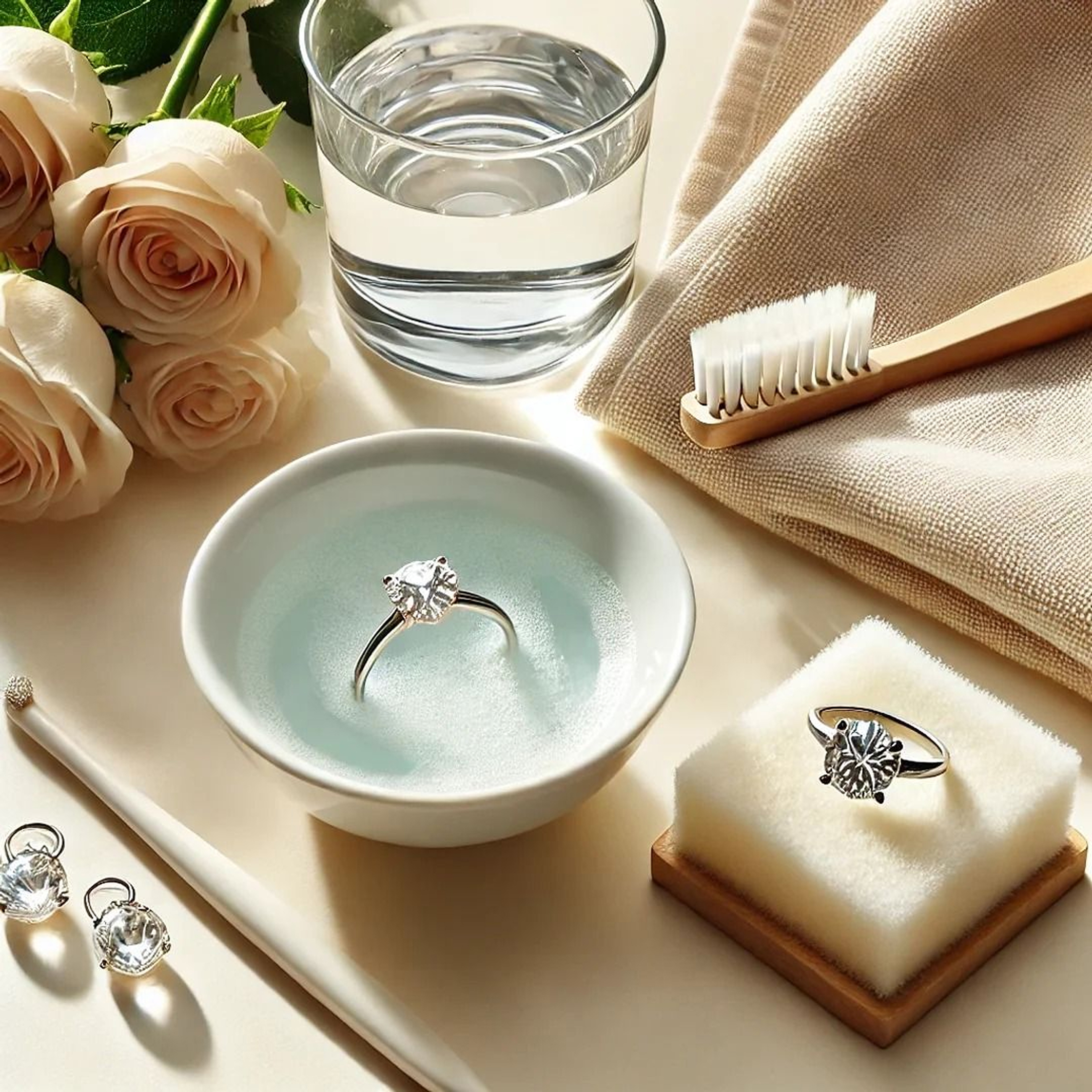
How to Clean Your Diamond Engagement Ring
Learn about the best, safest, and most effective ways to clean a diamond ring at home, when to seek professional cleaning, and how to maintain your ring’s beauty for years to come.