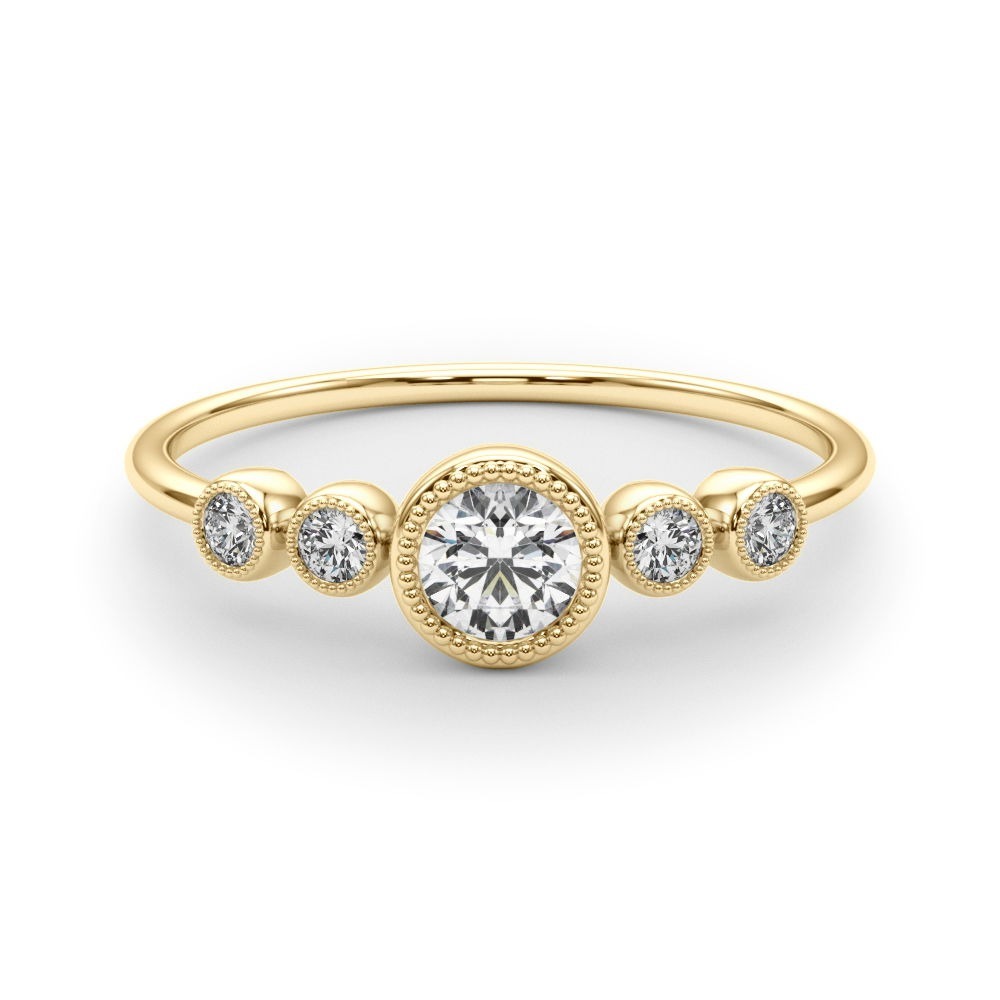
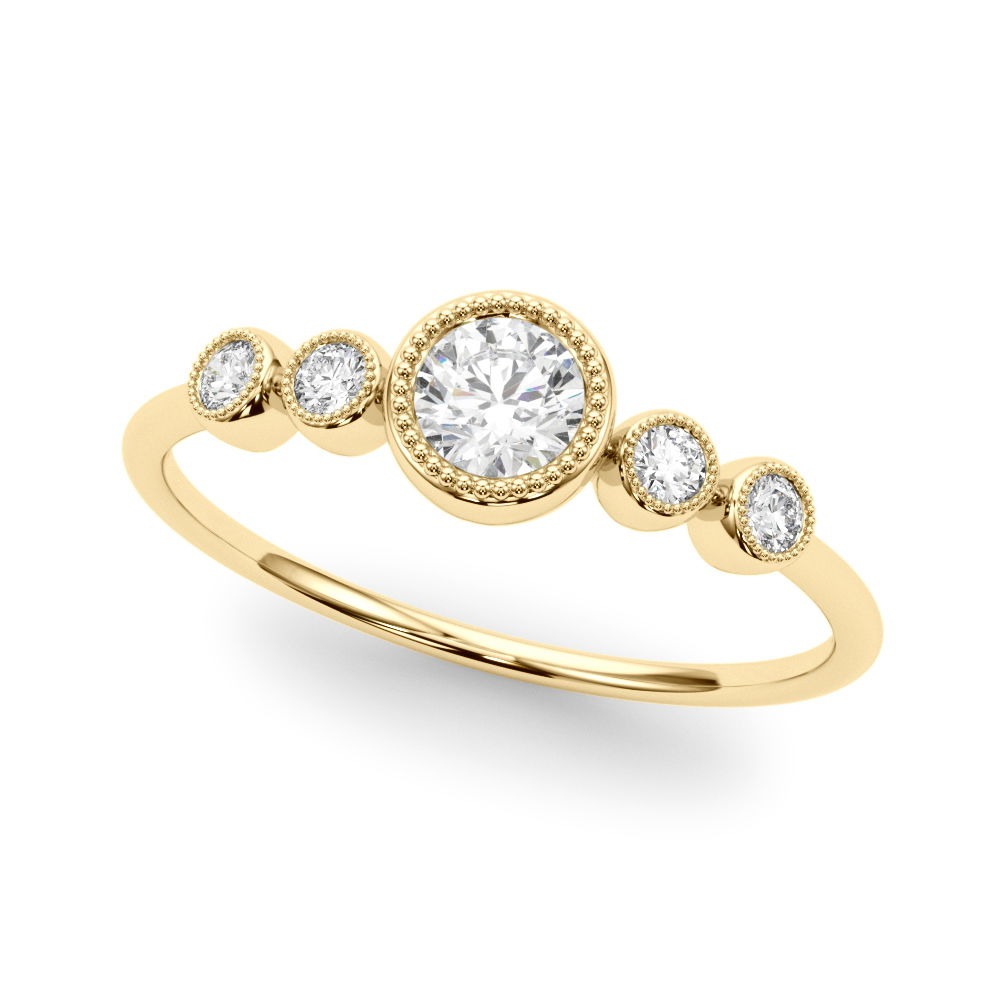
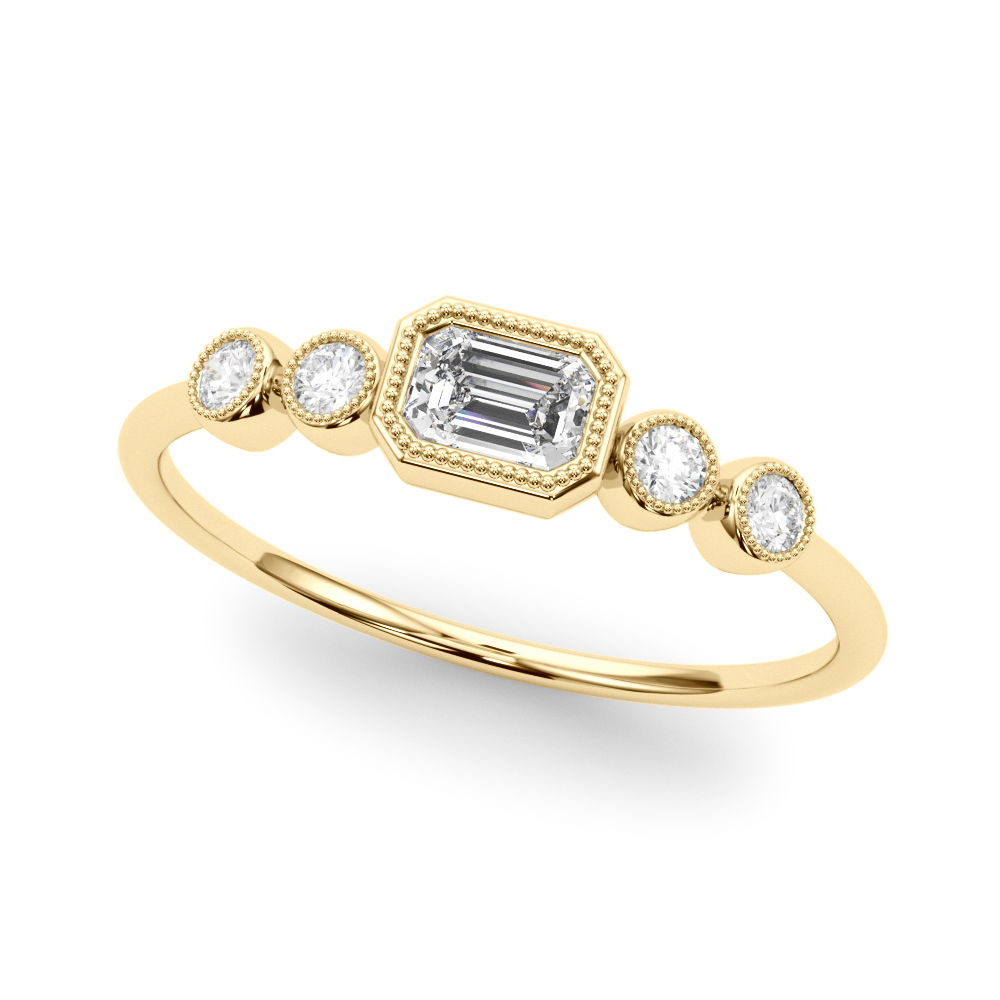
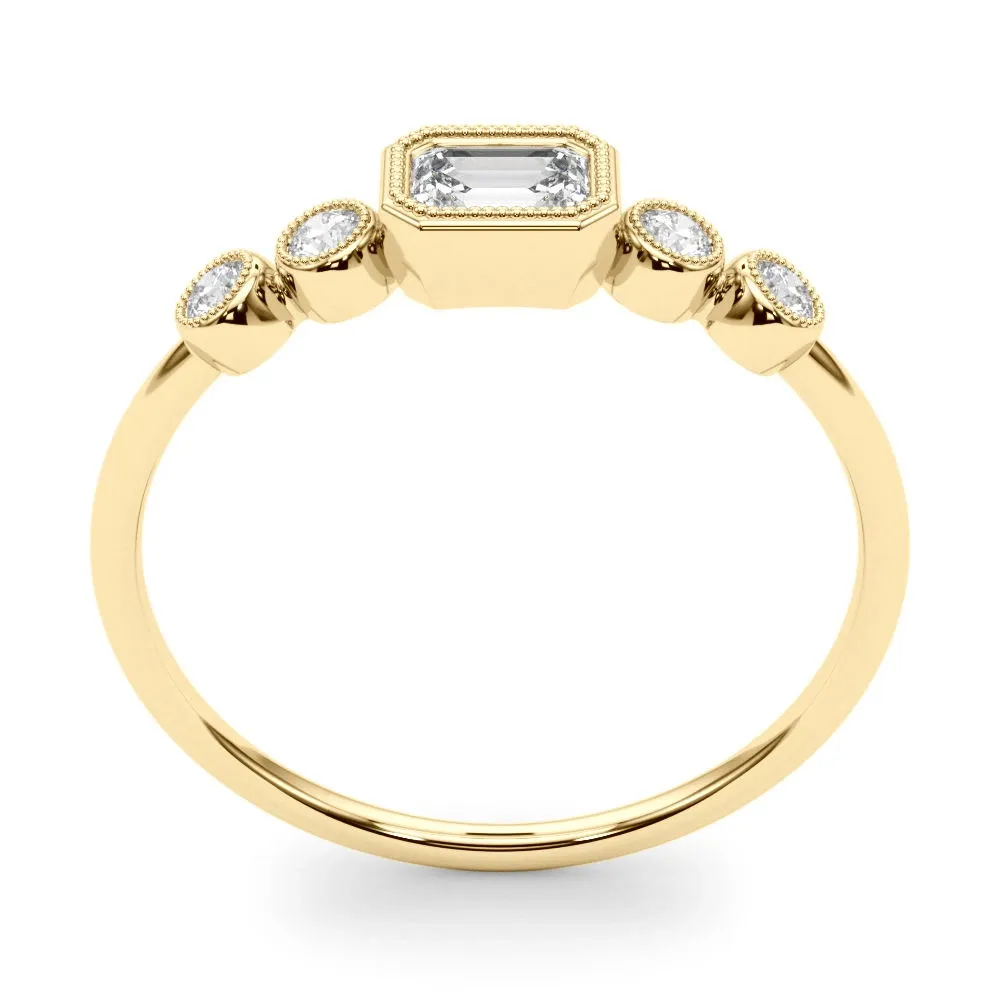
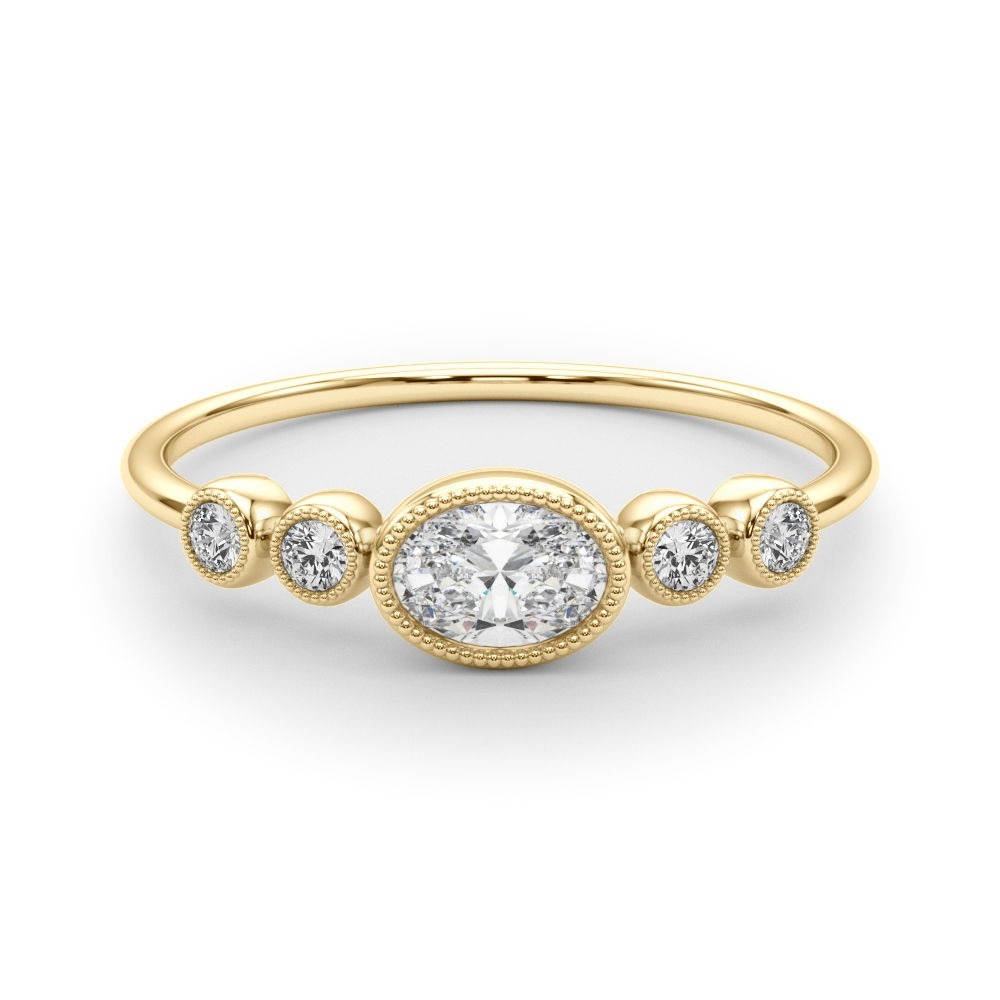
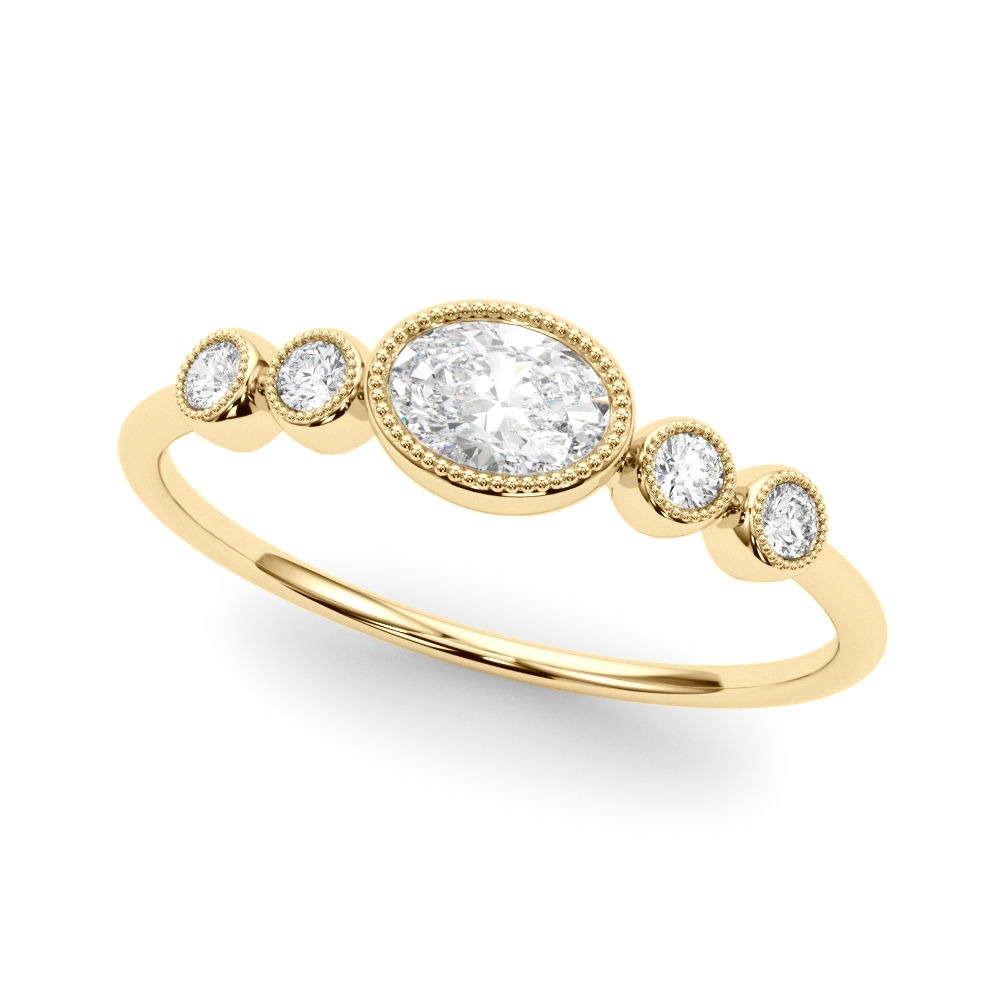
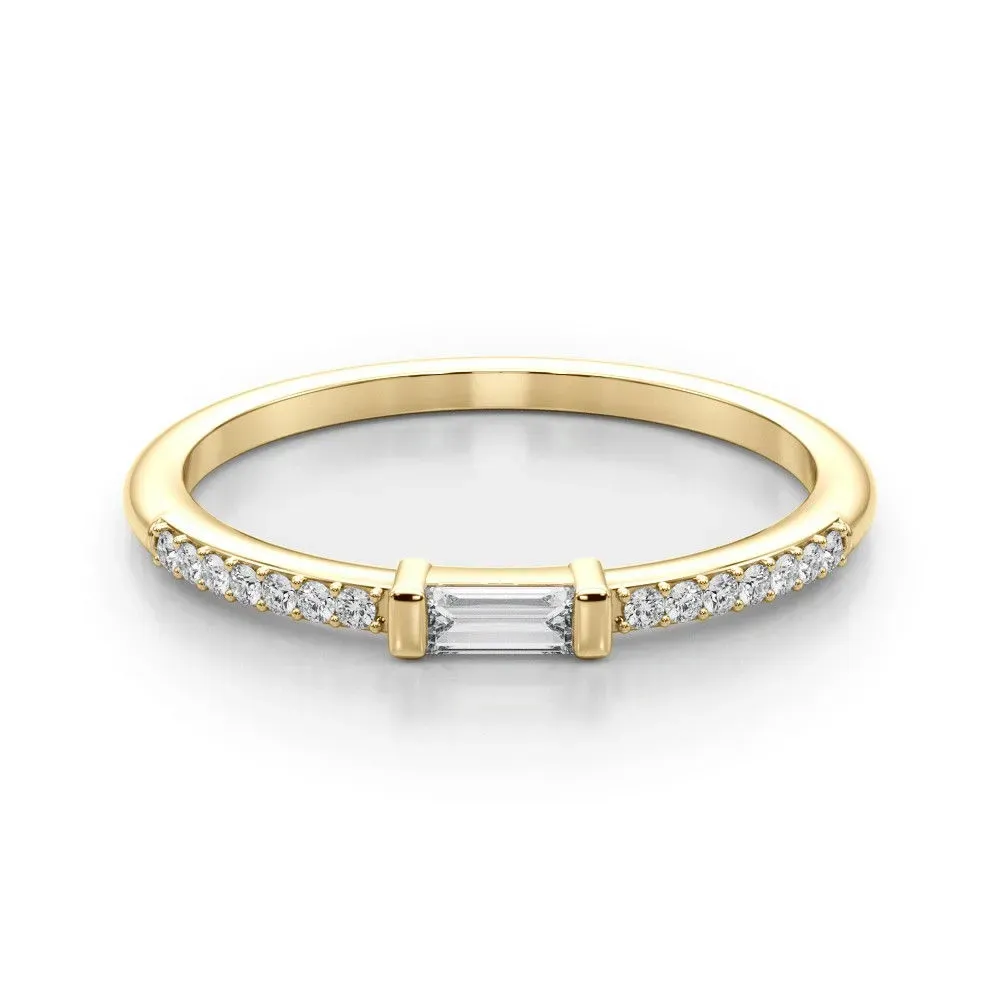
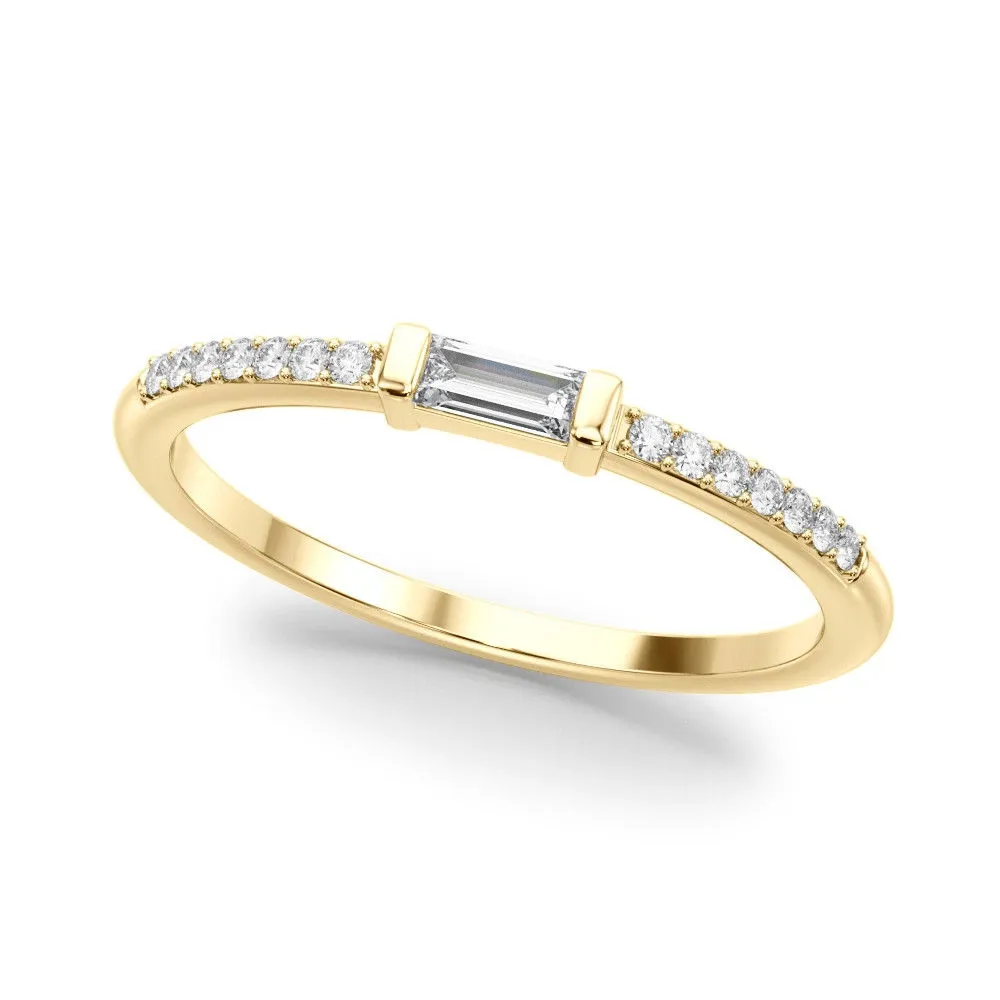
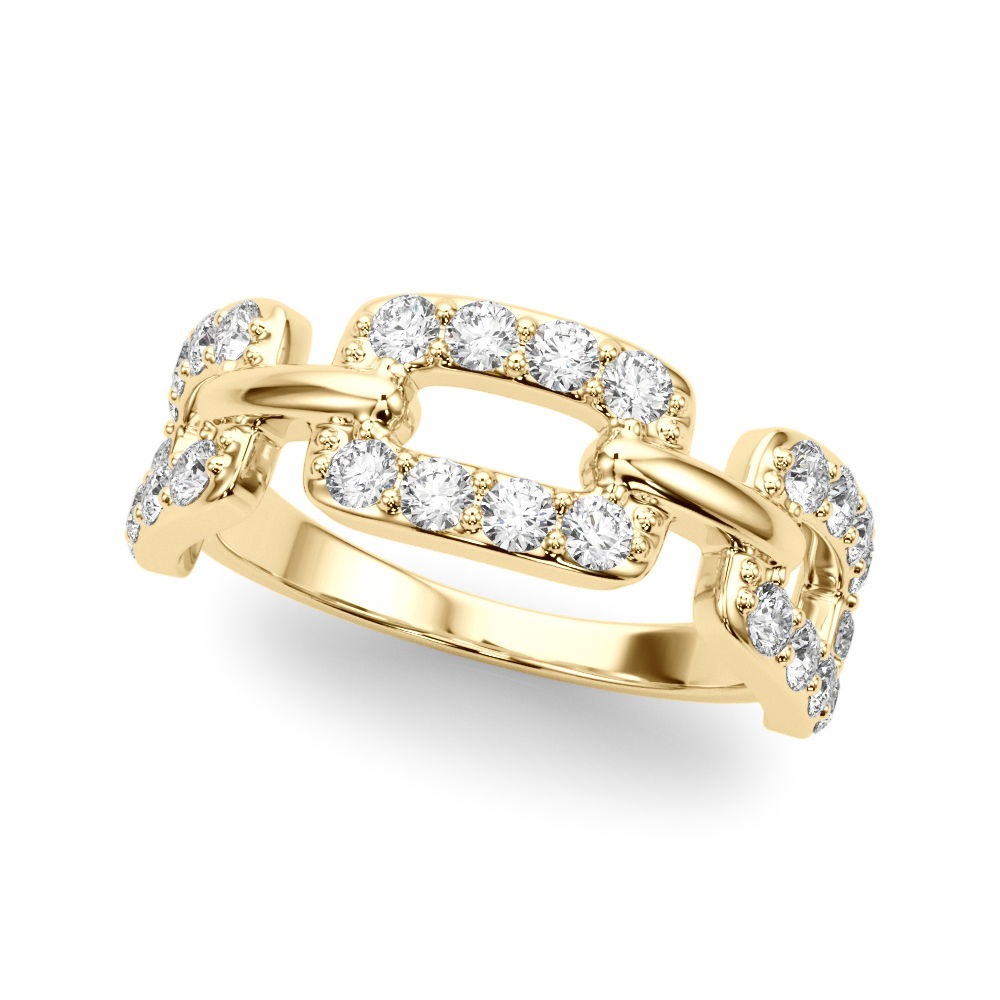
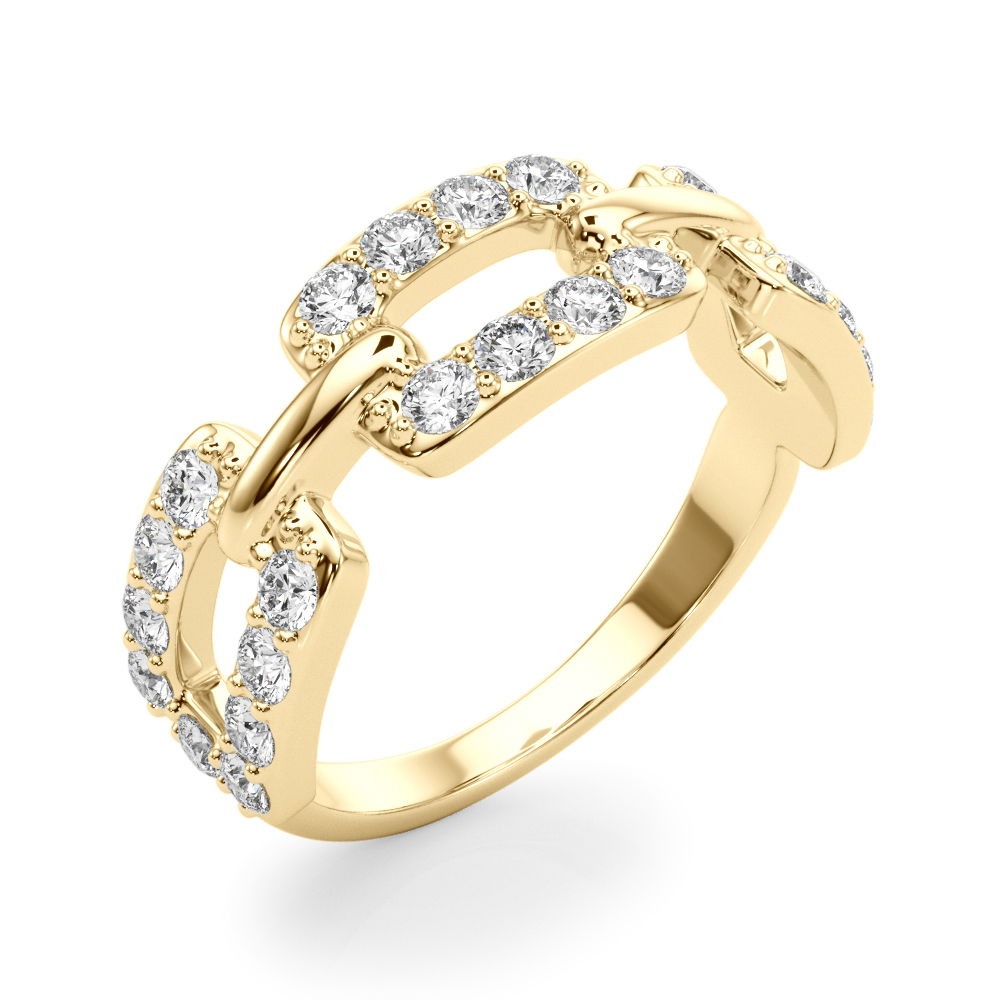
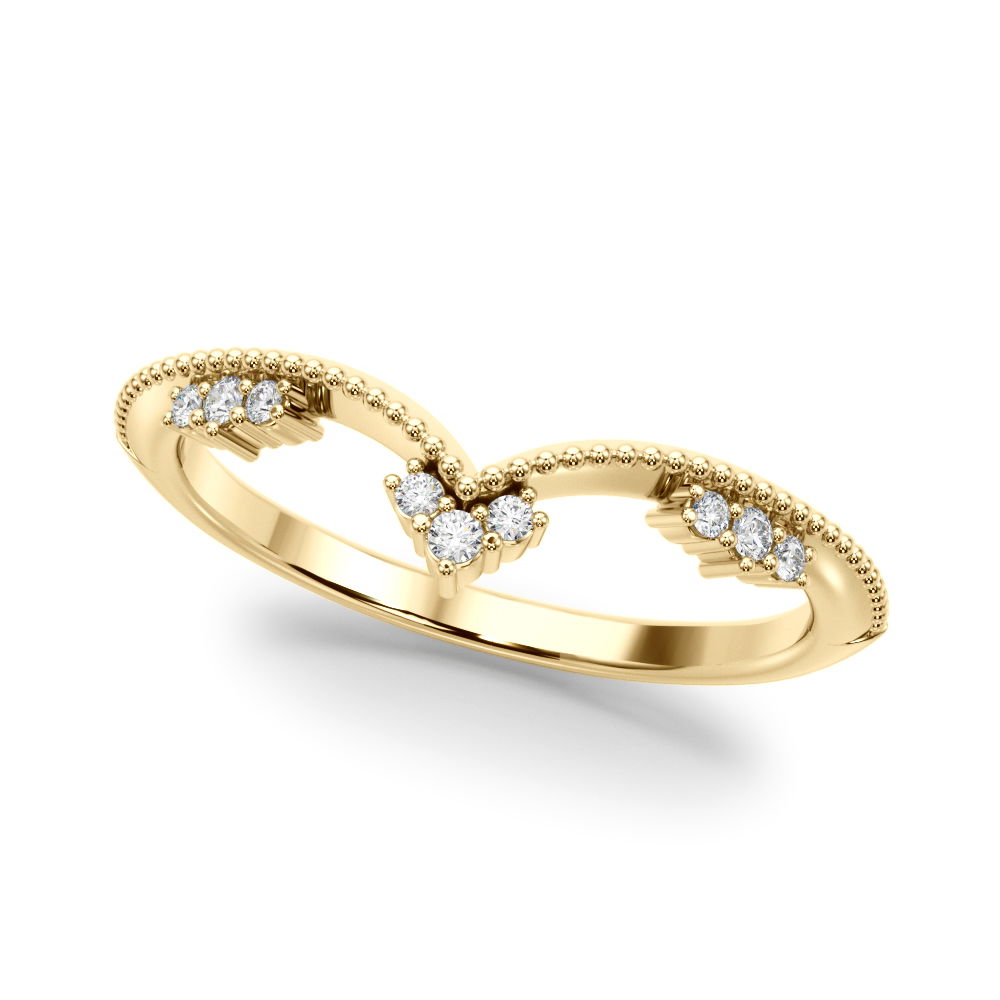
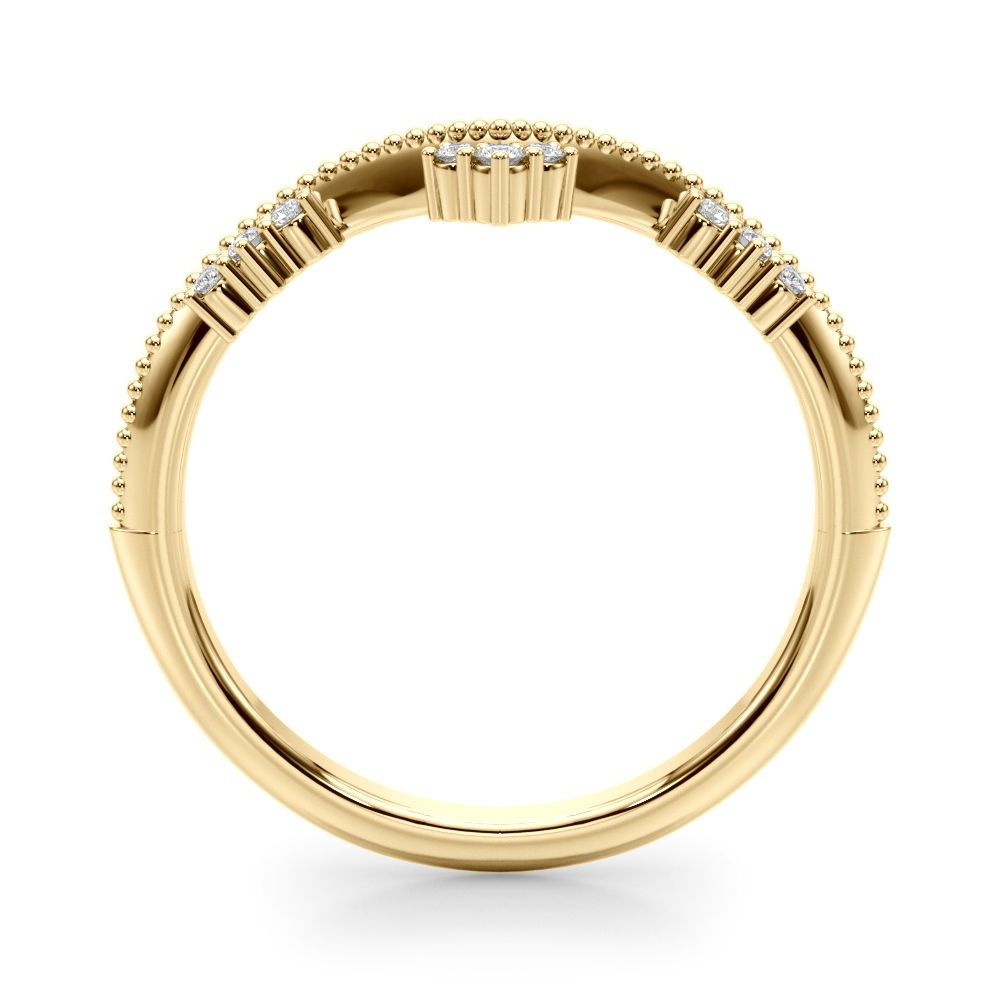
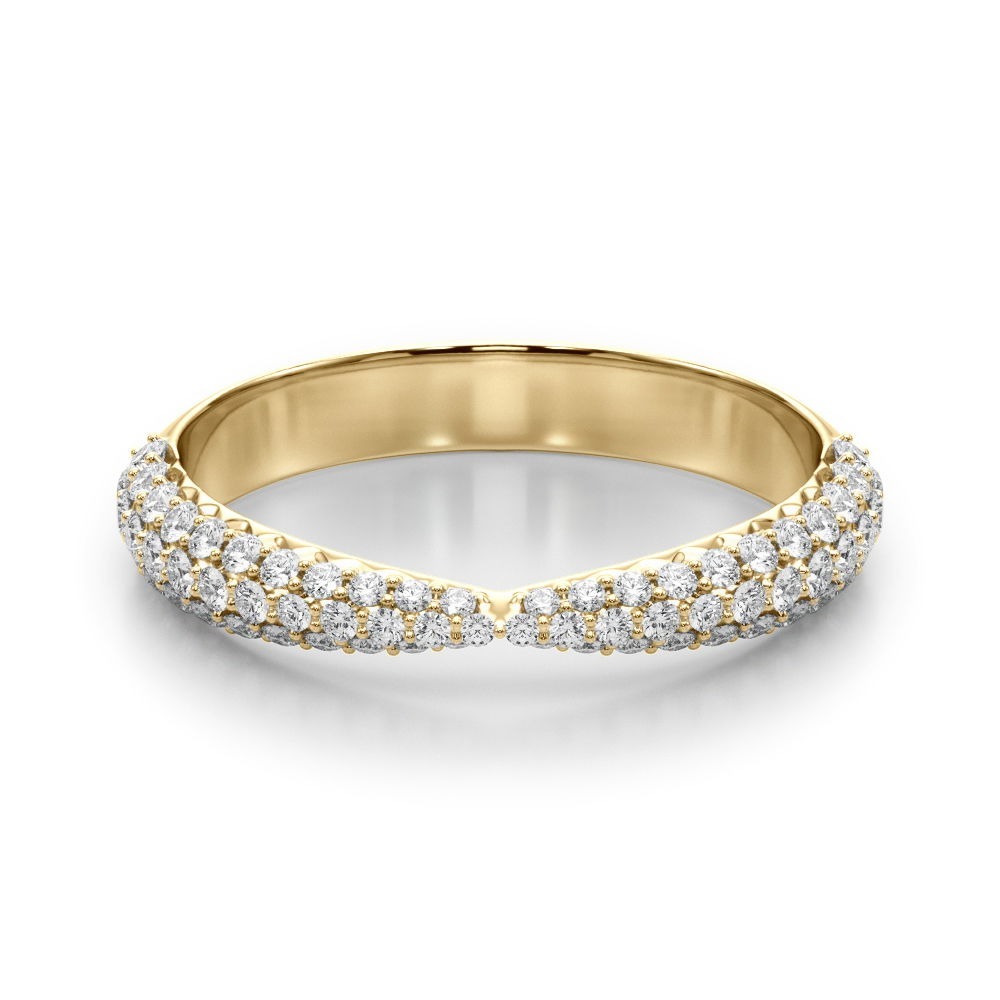
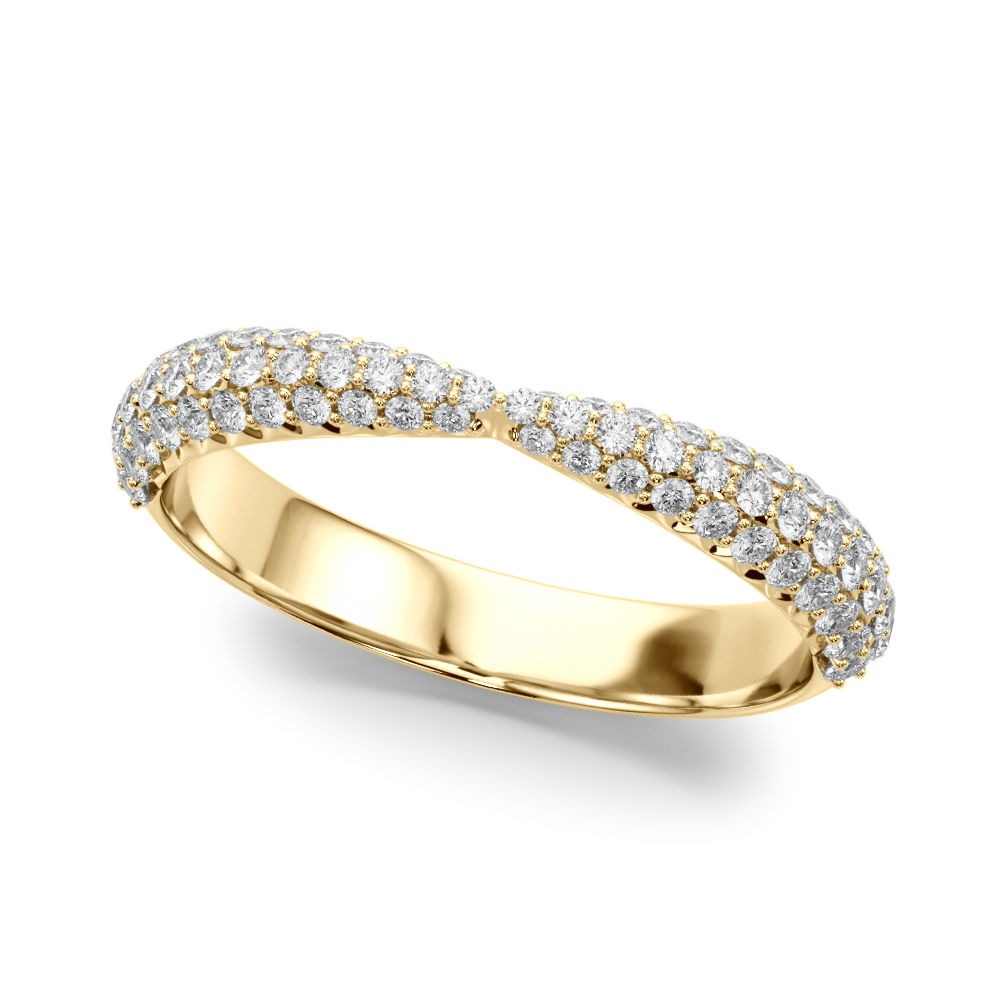
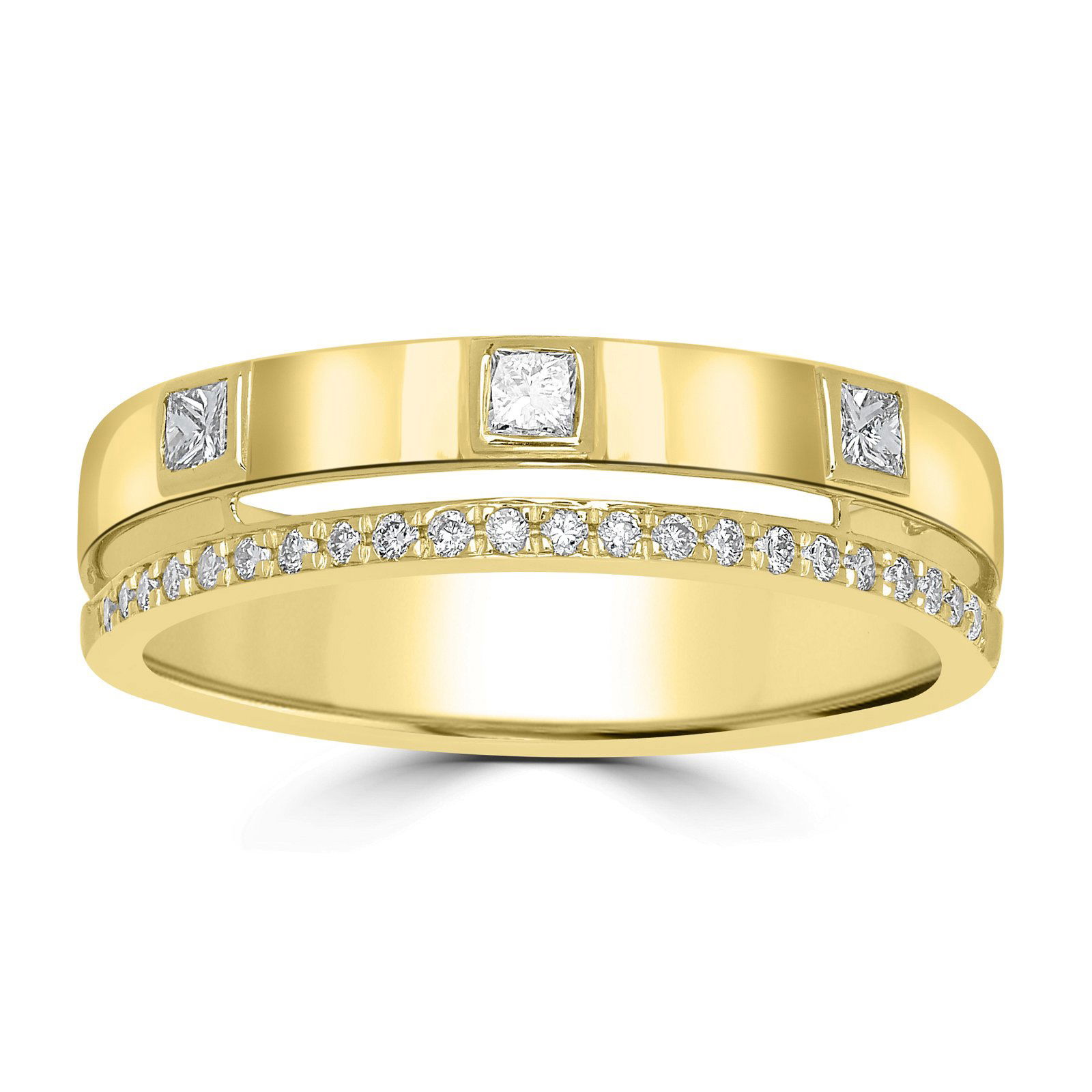
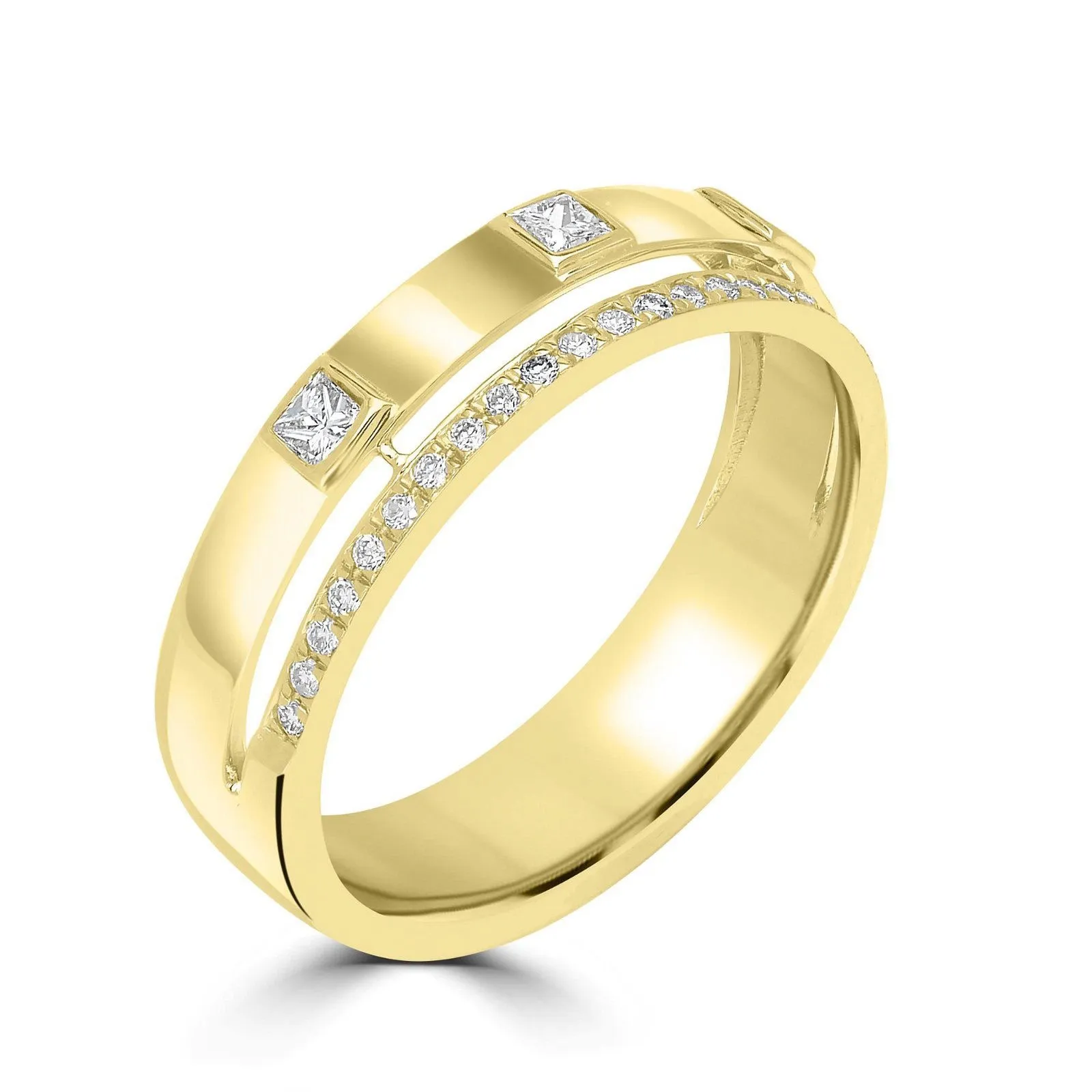
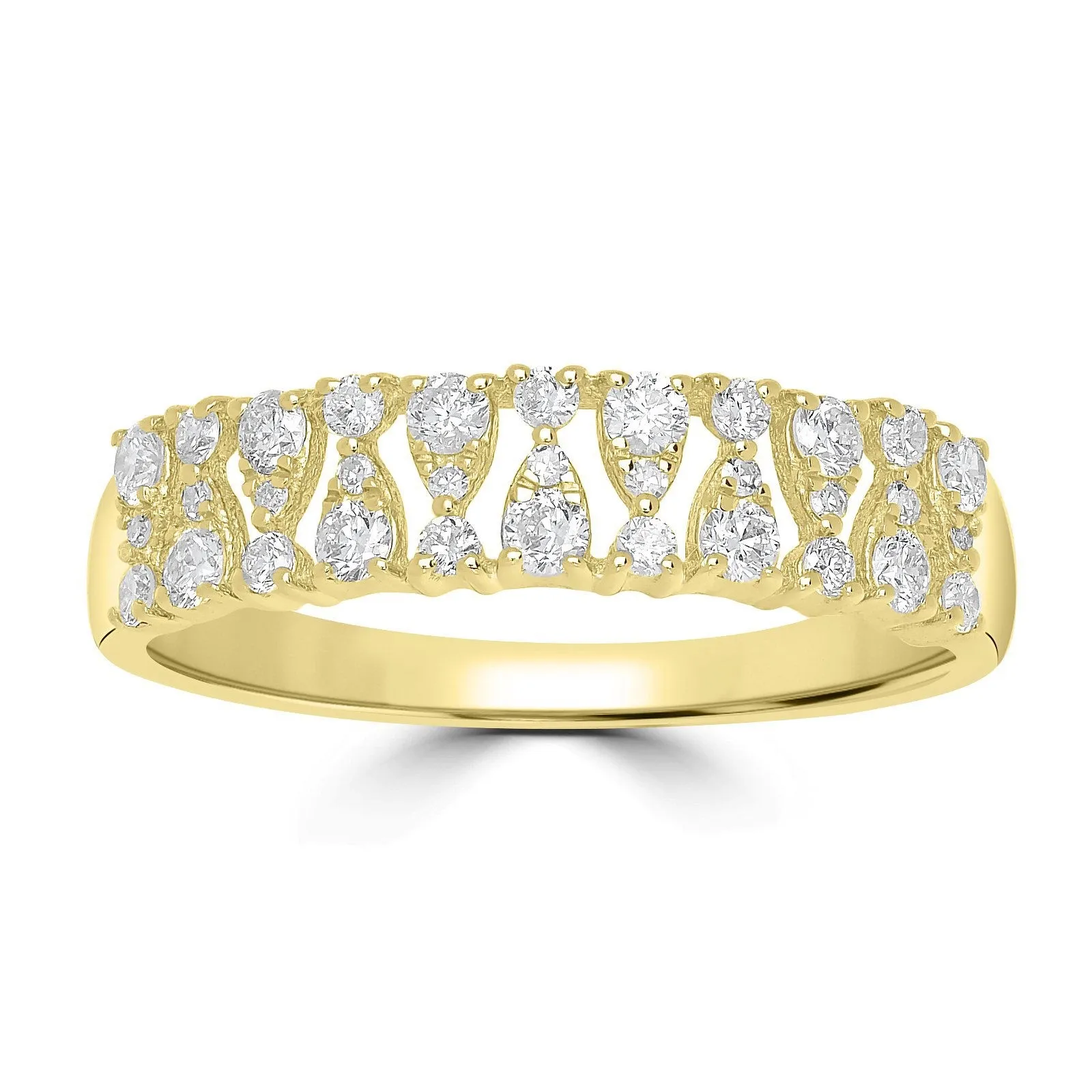
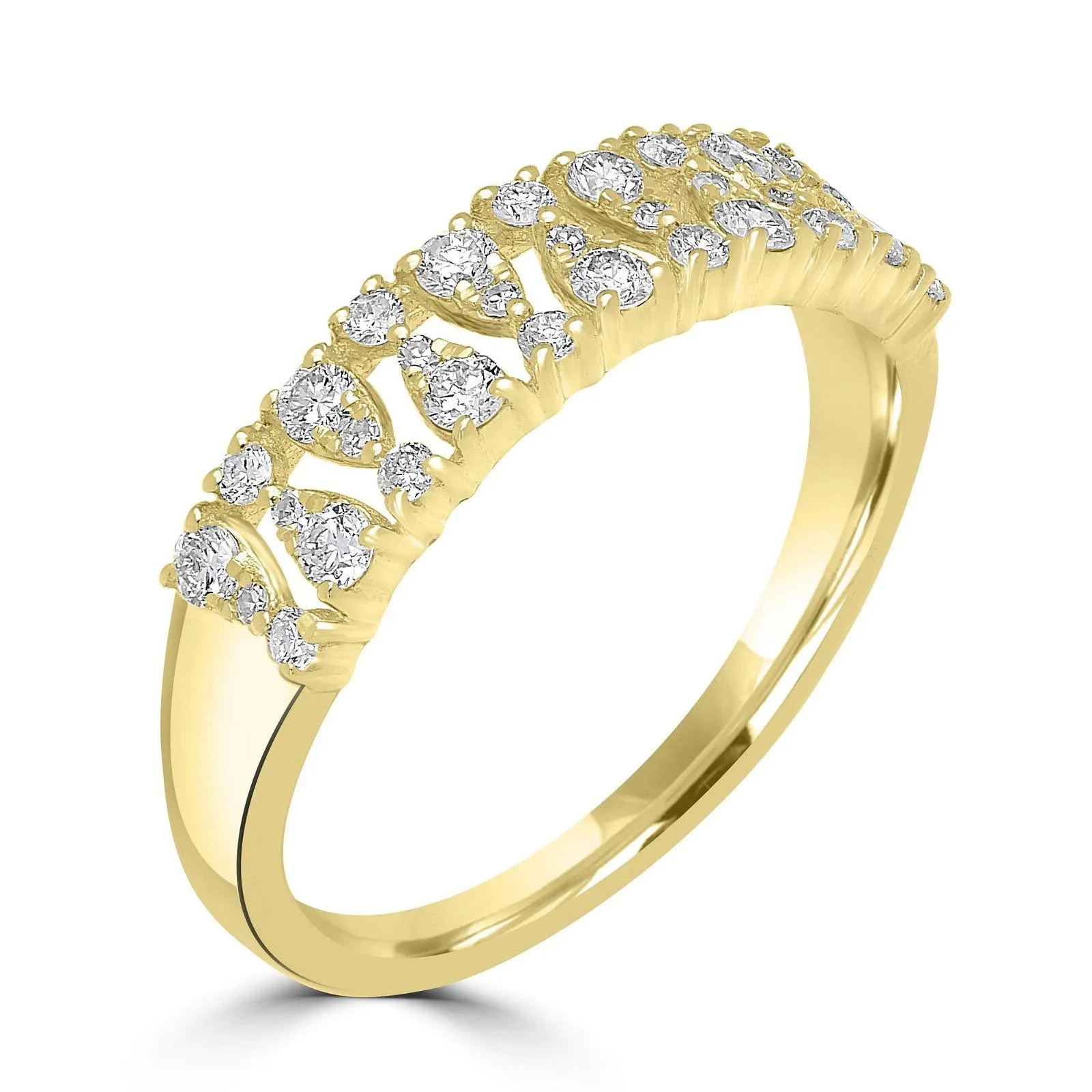
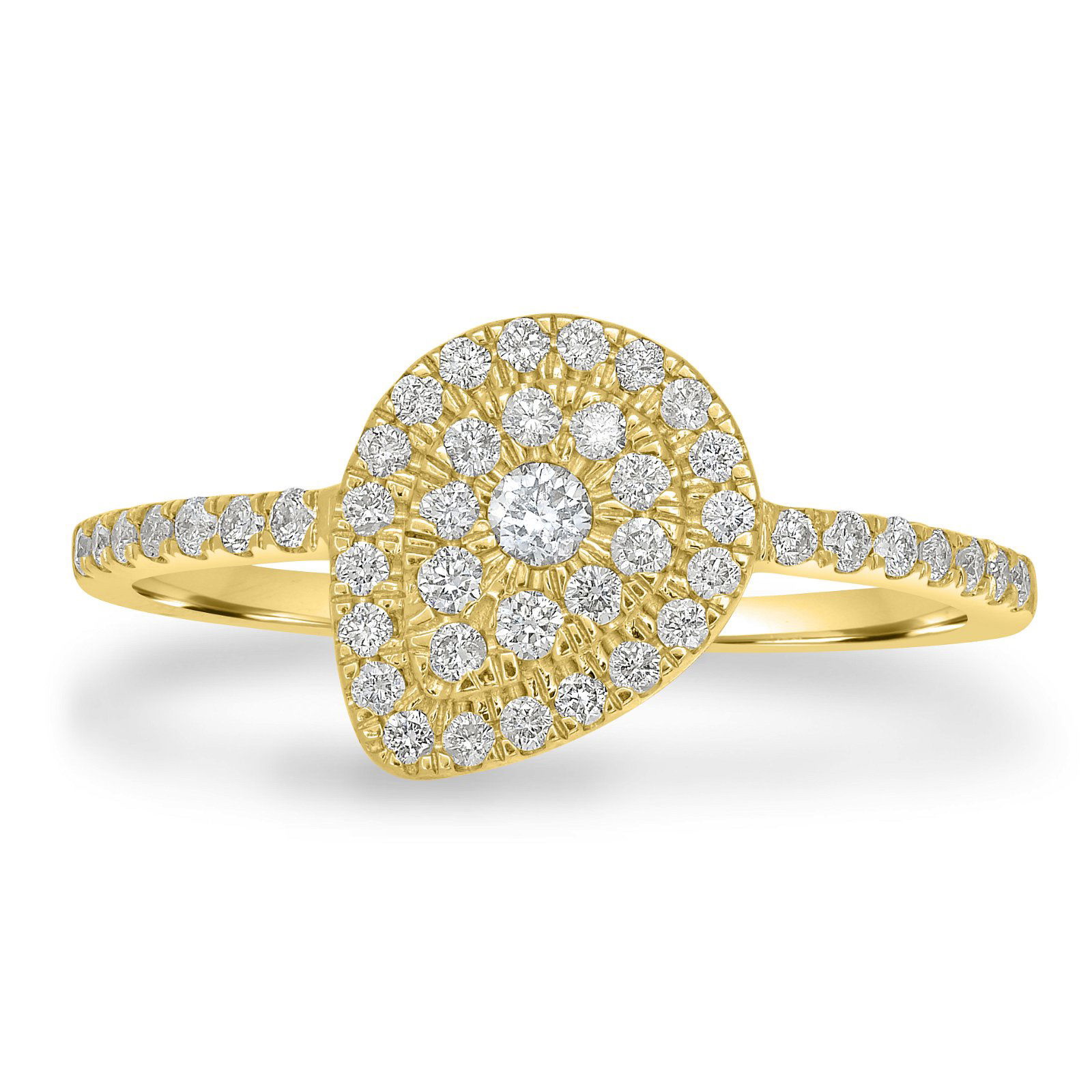
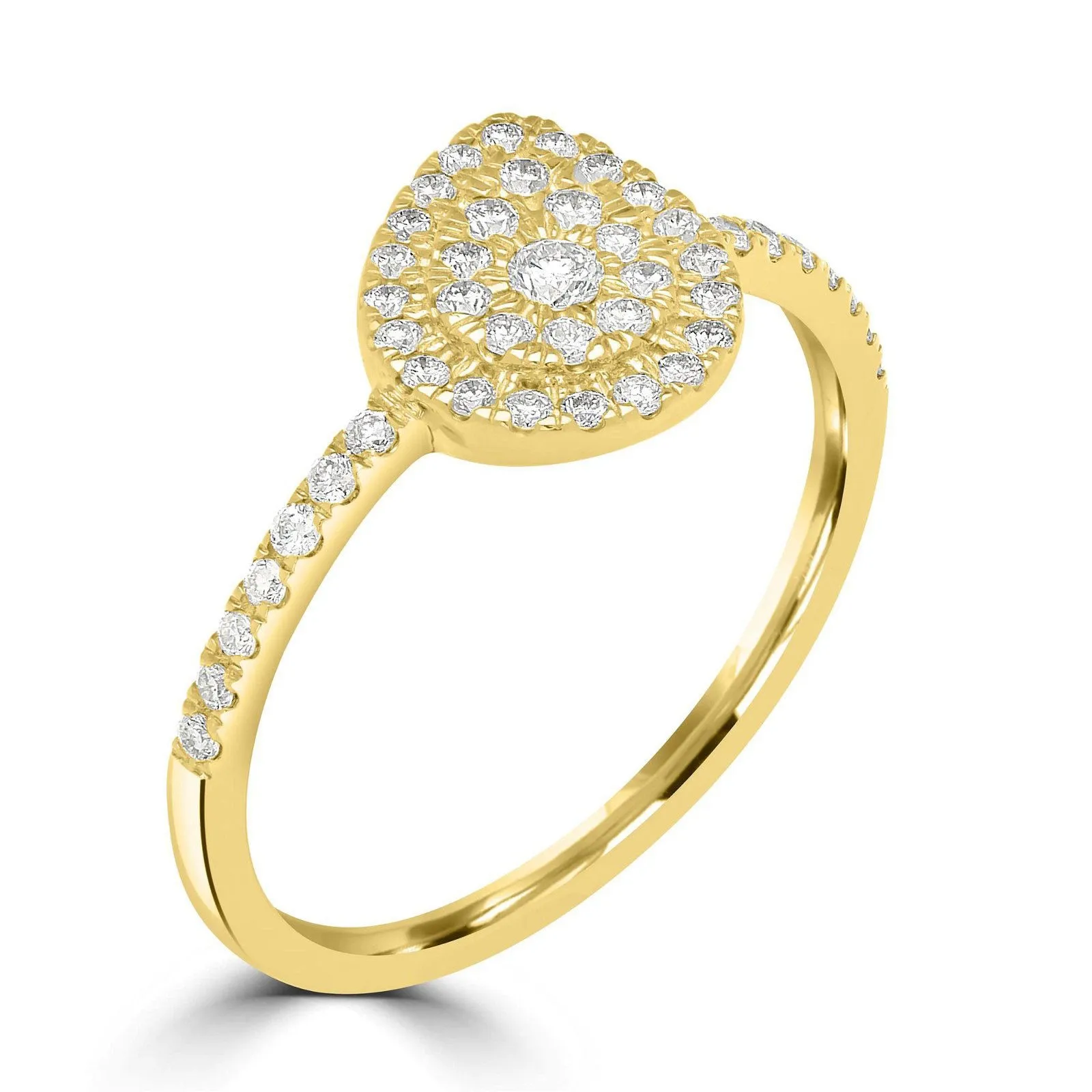
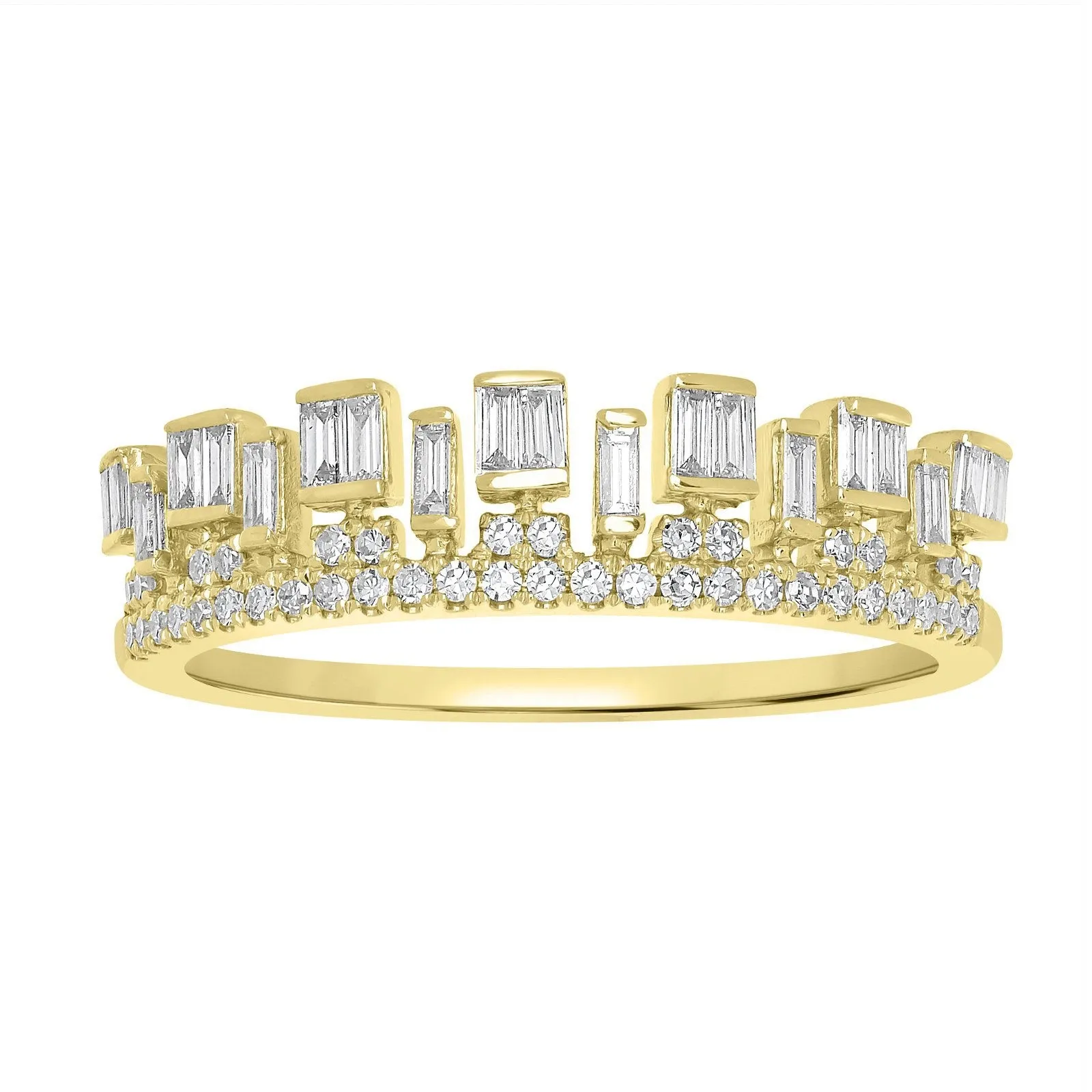
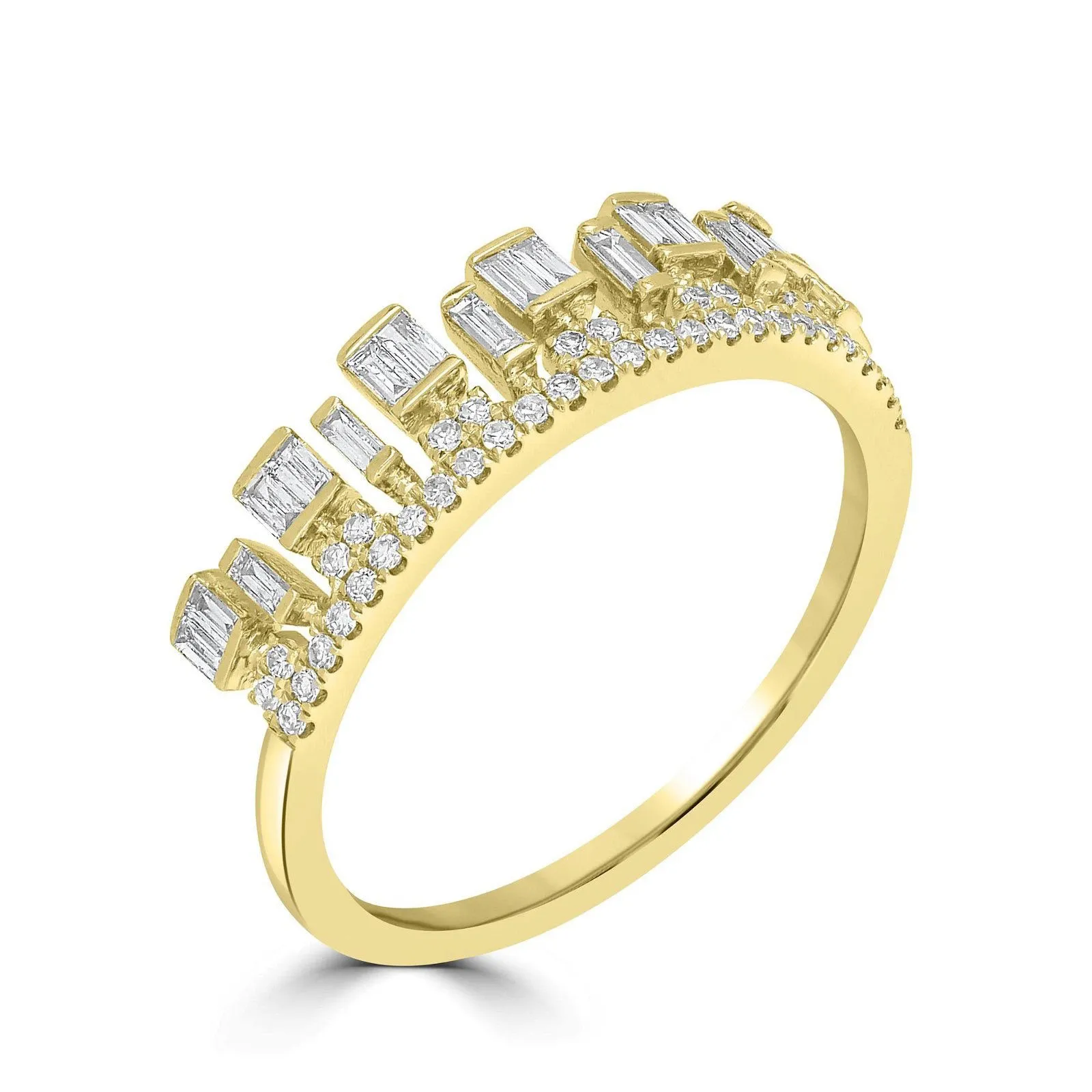
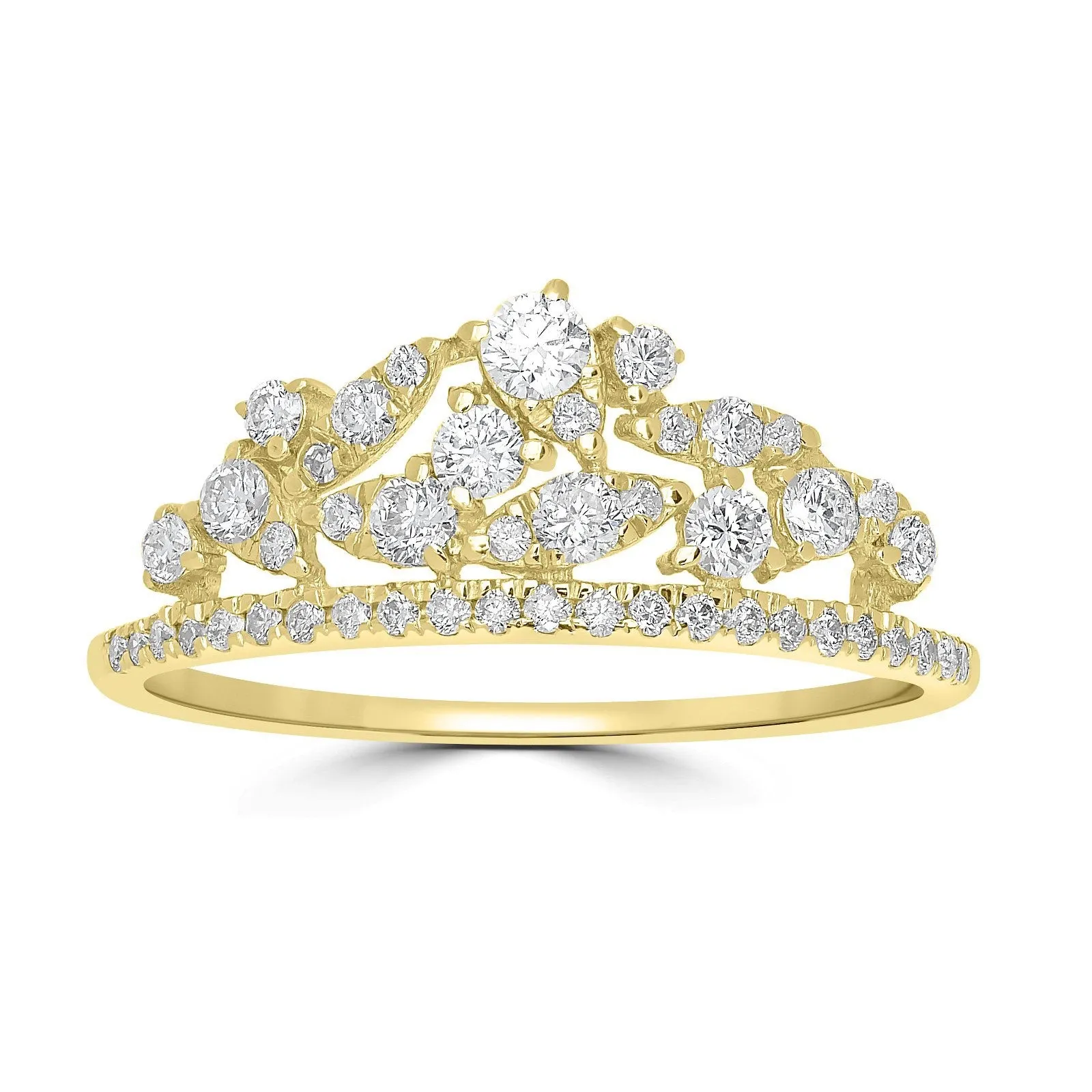
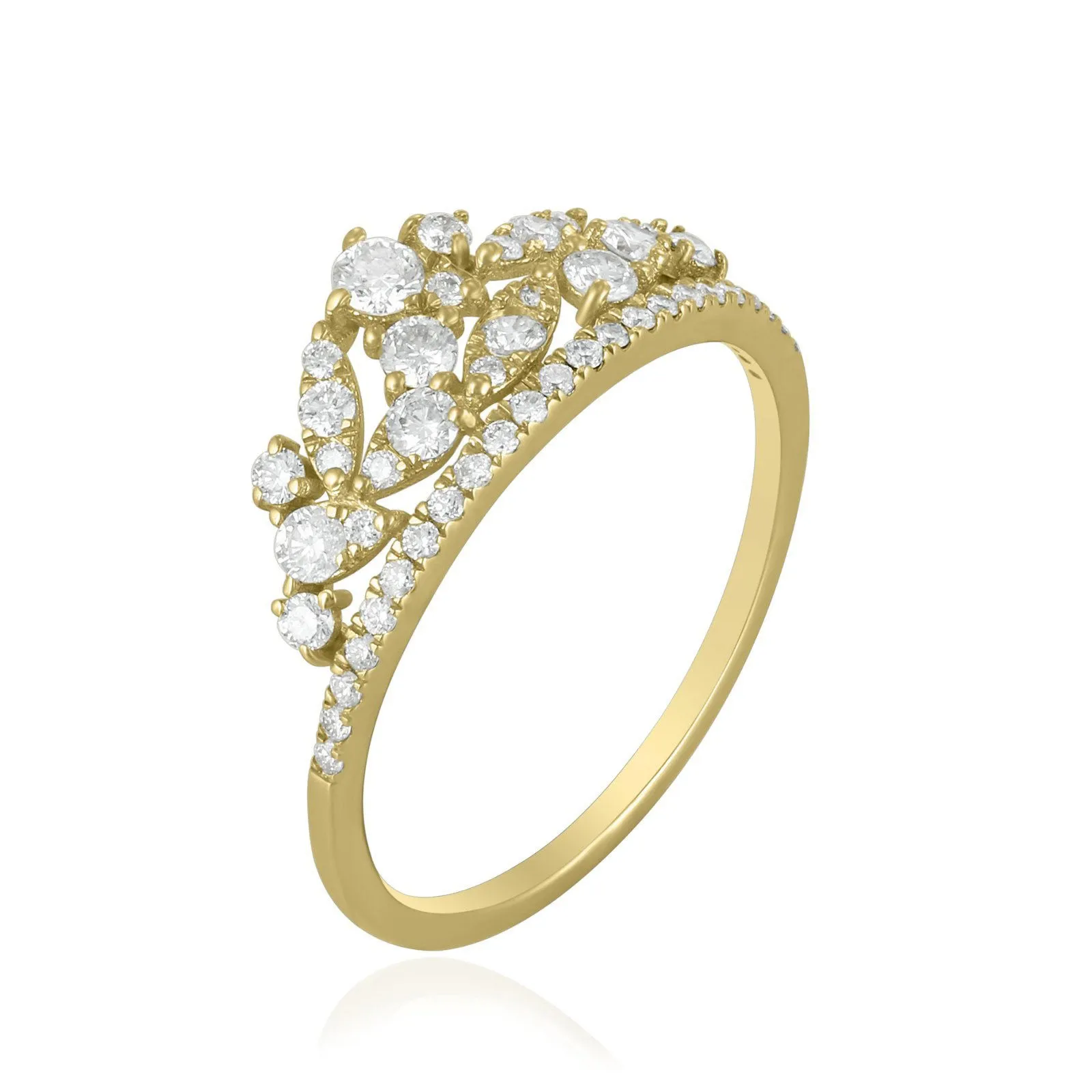
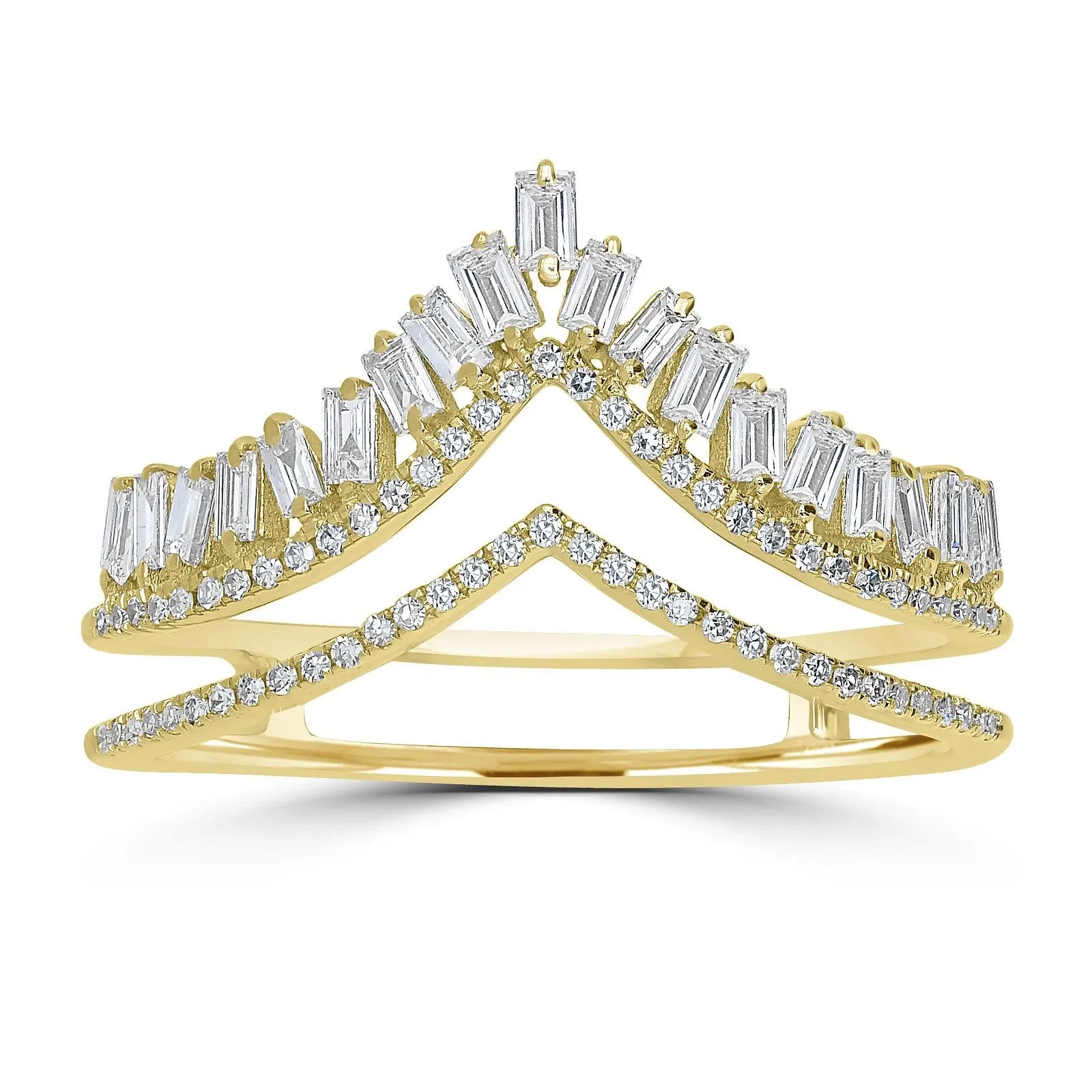
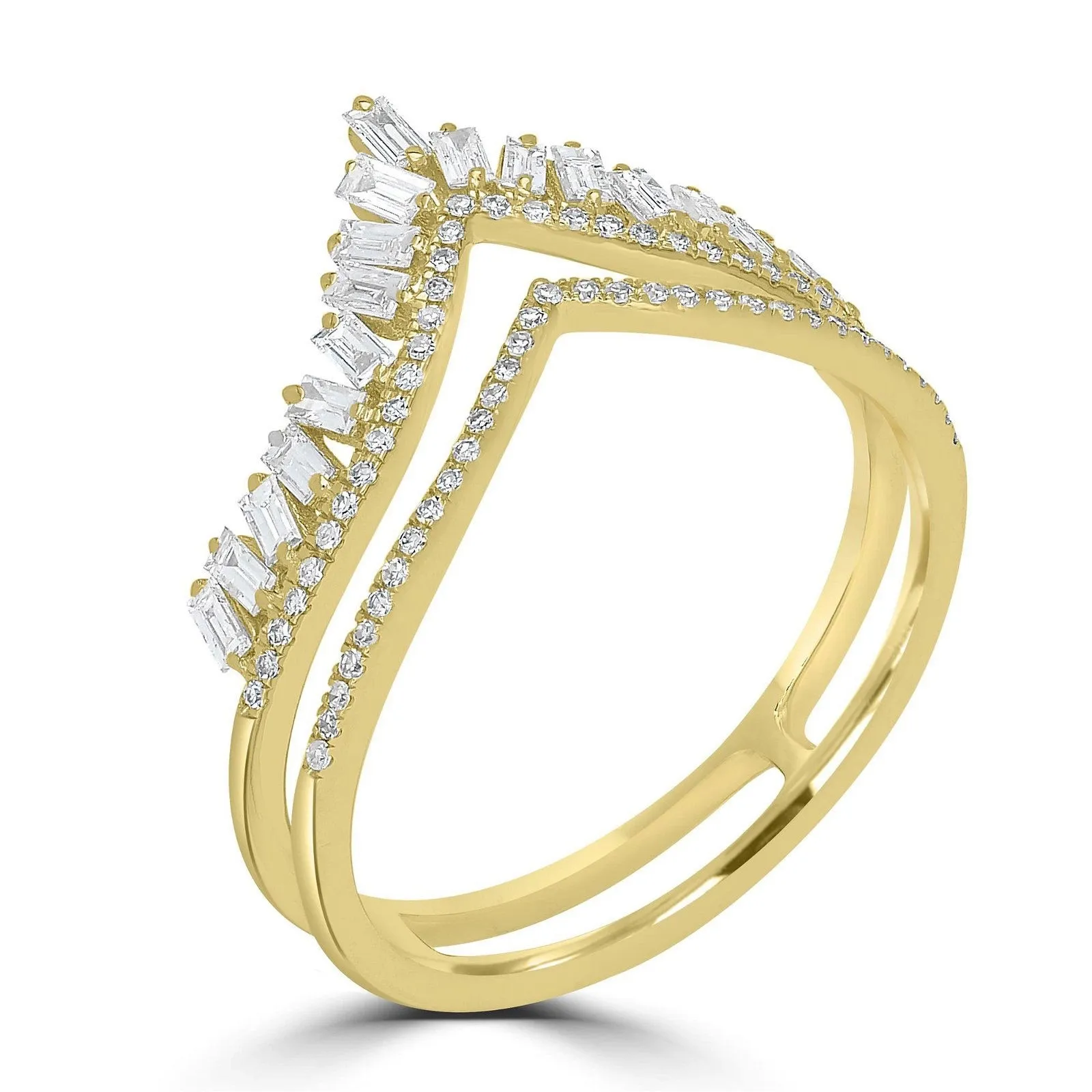
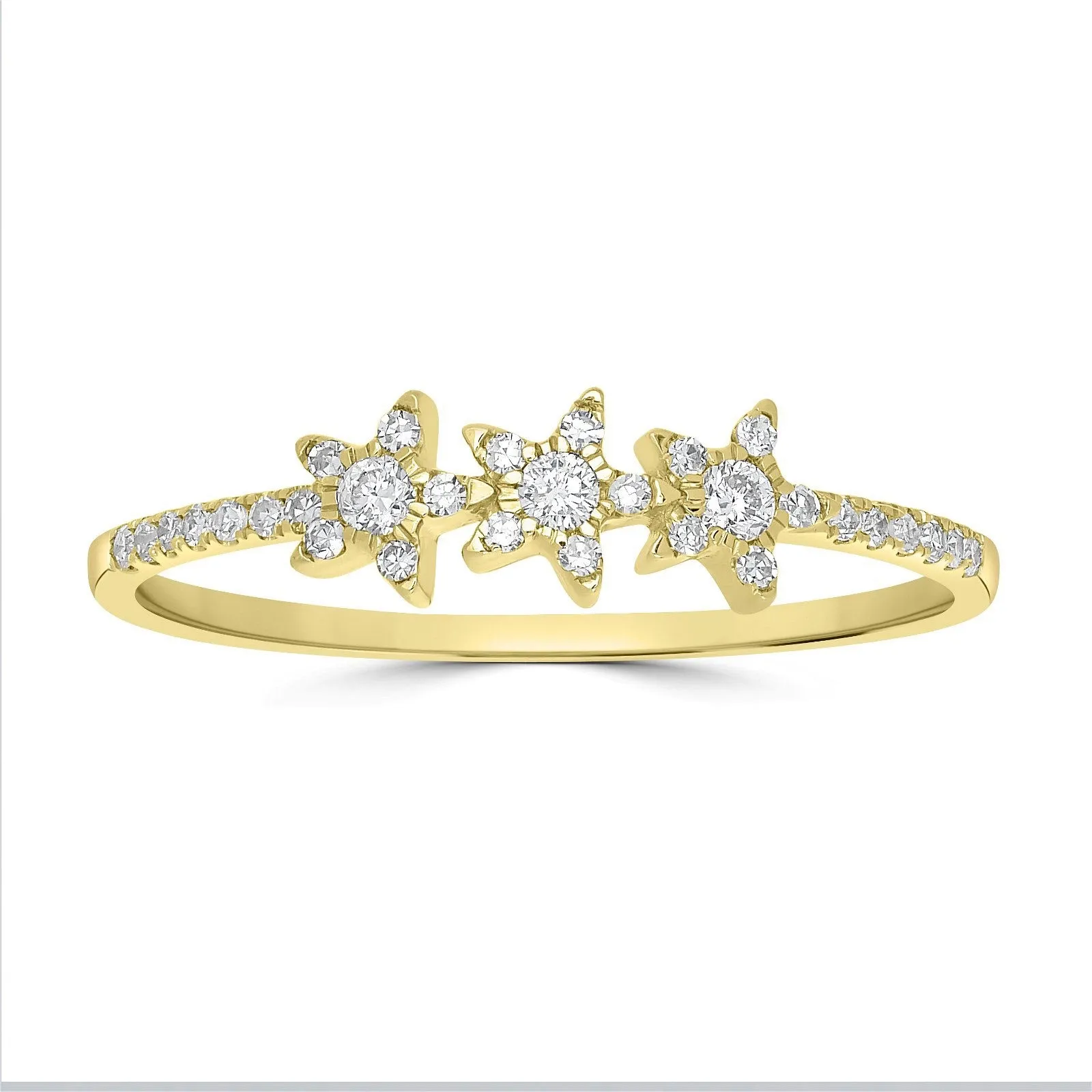
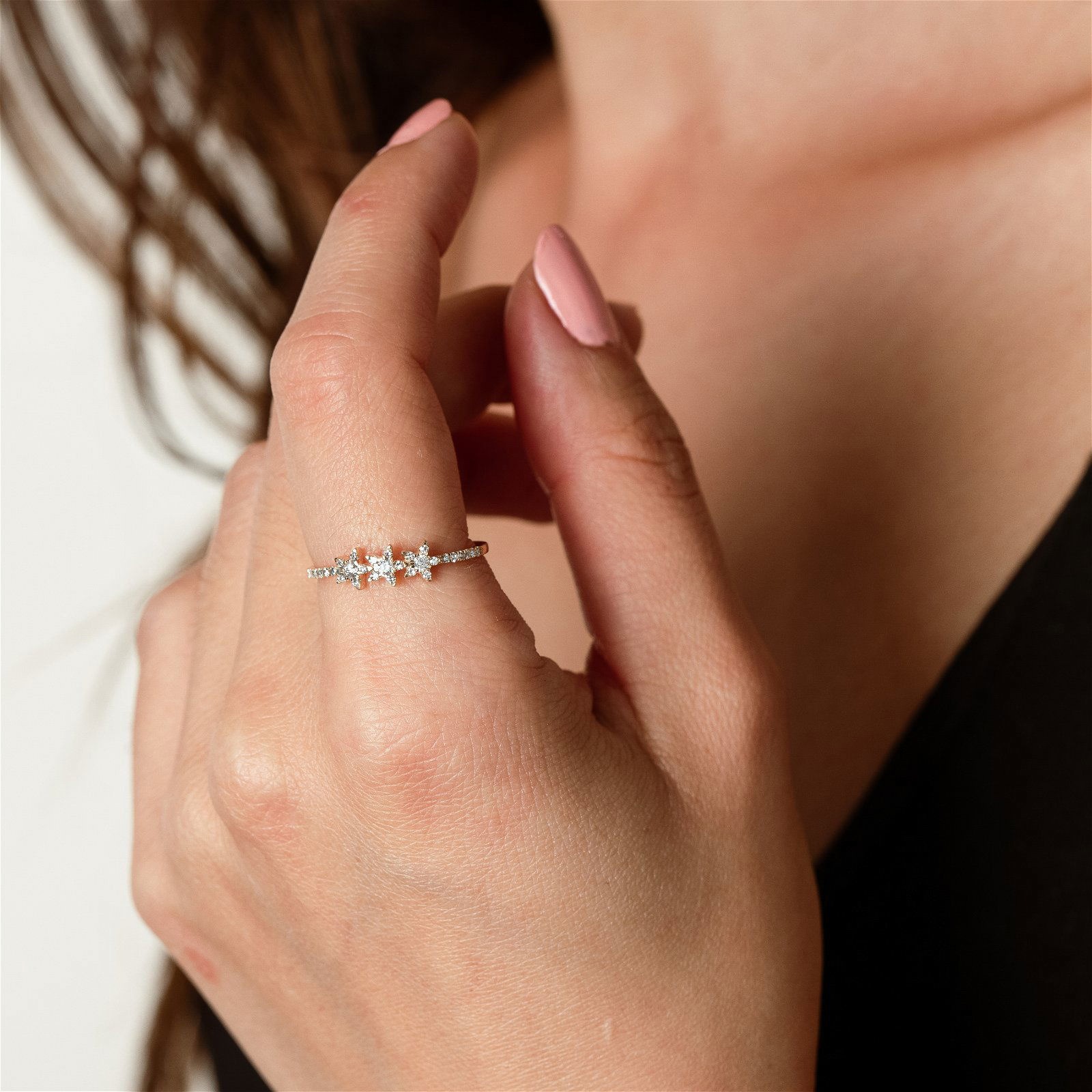
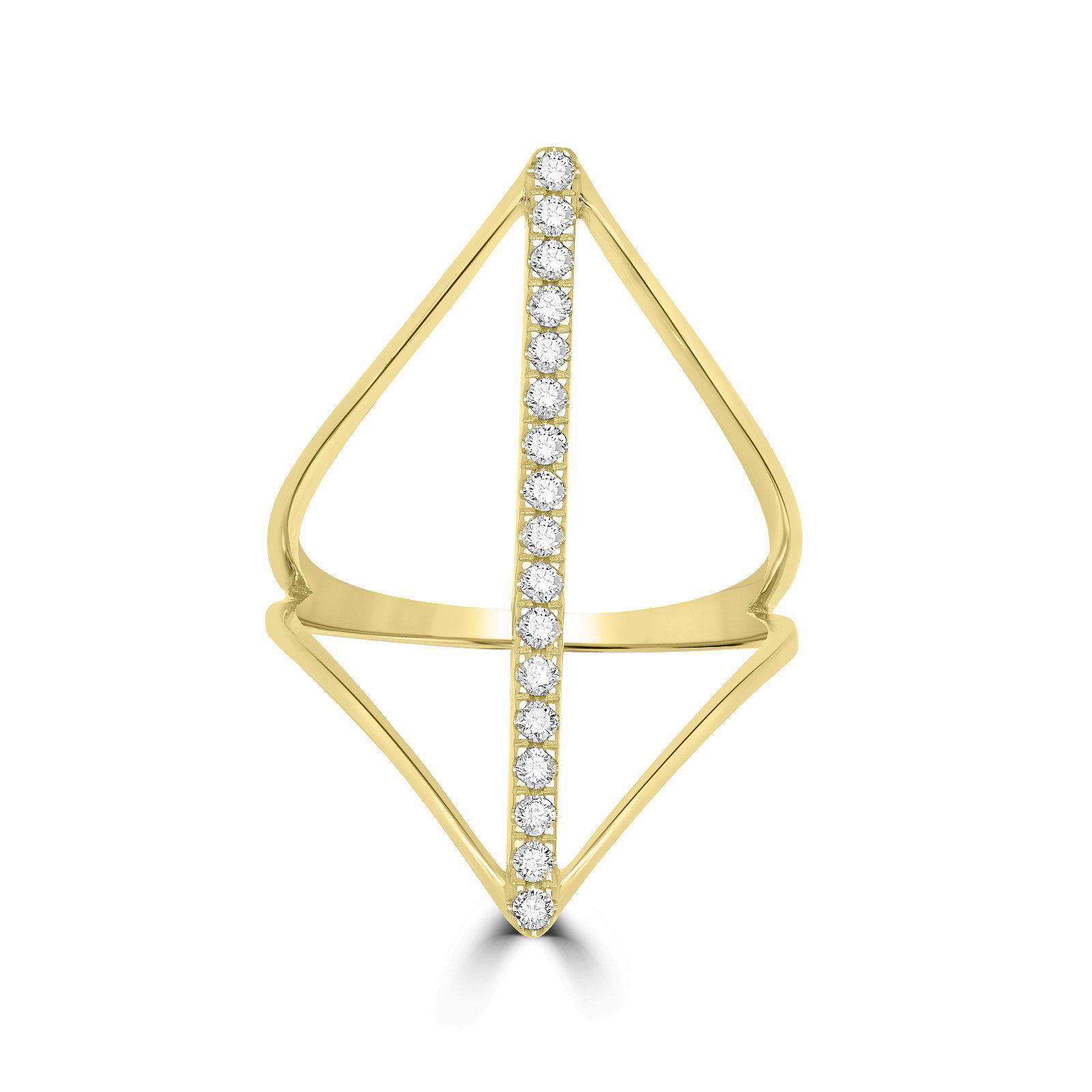
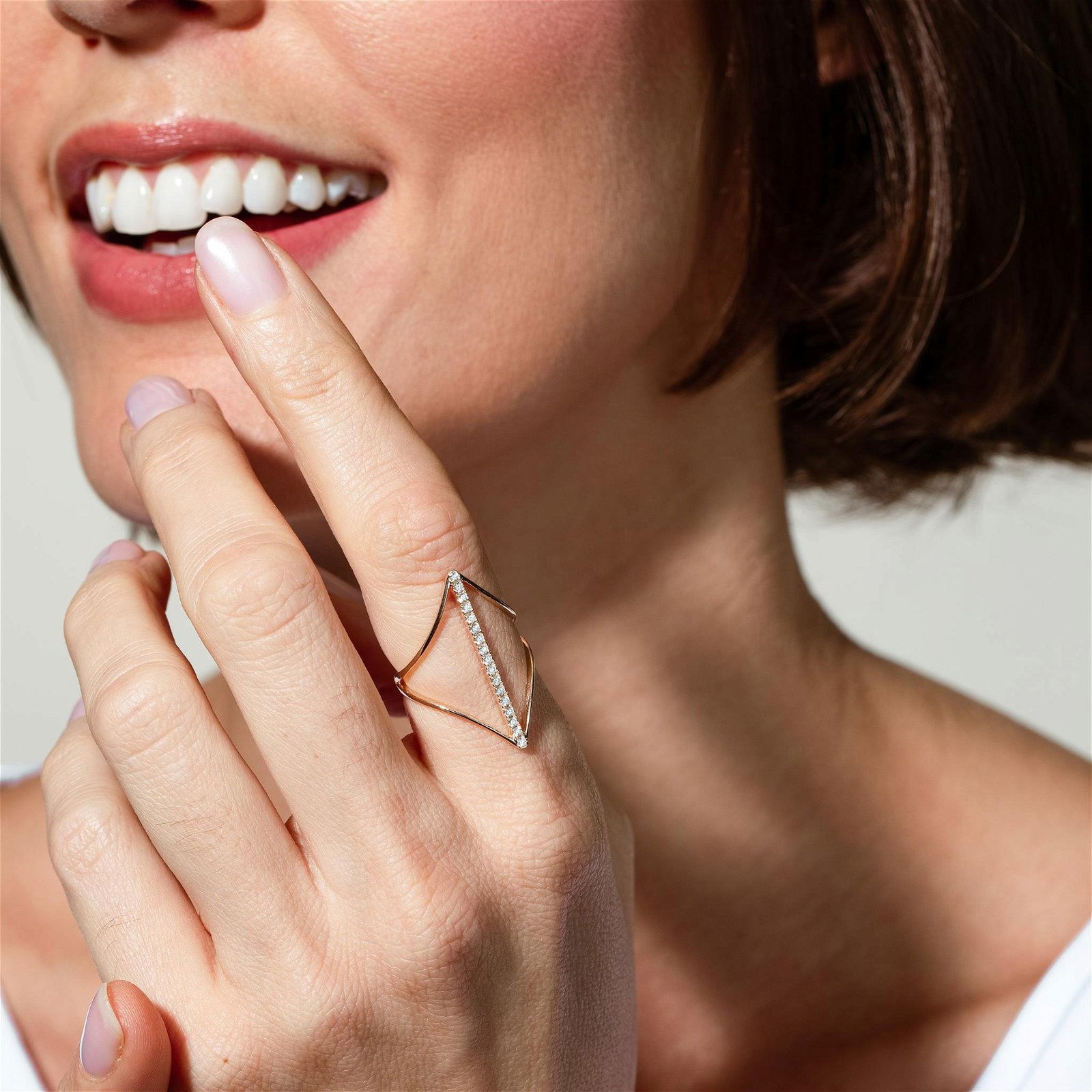
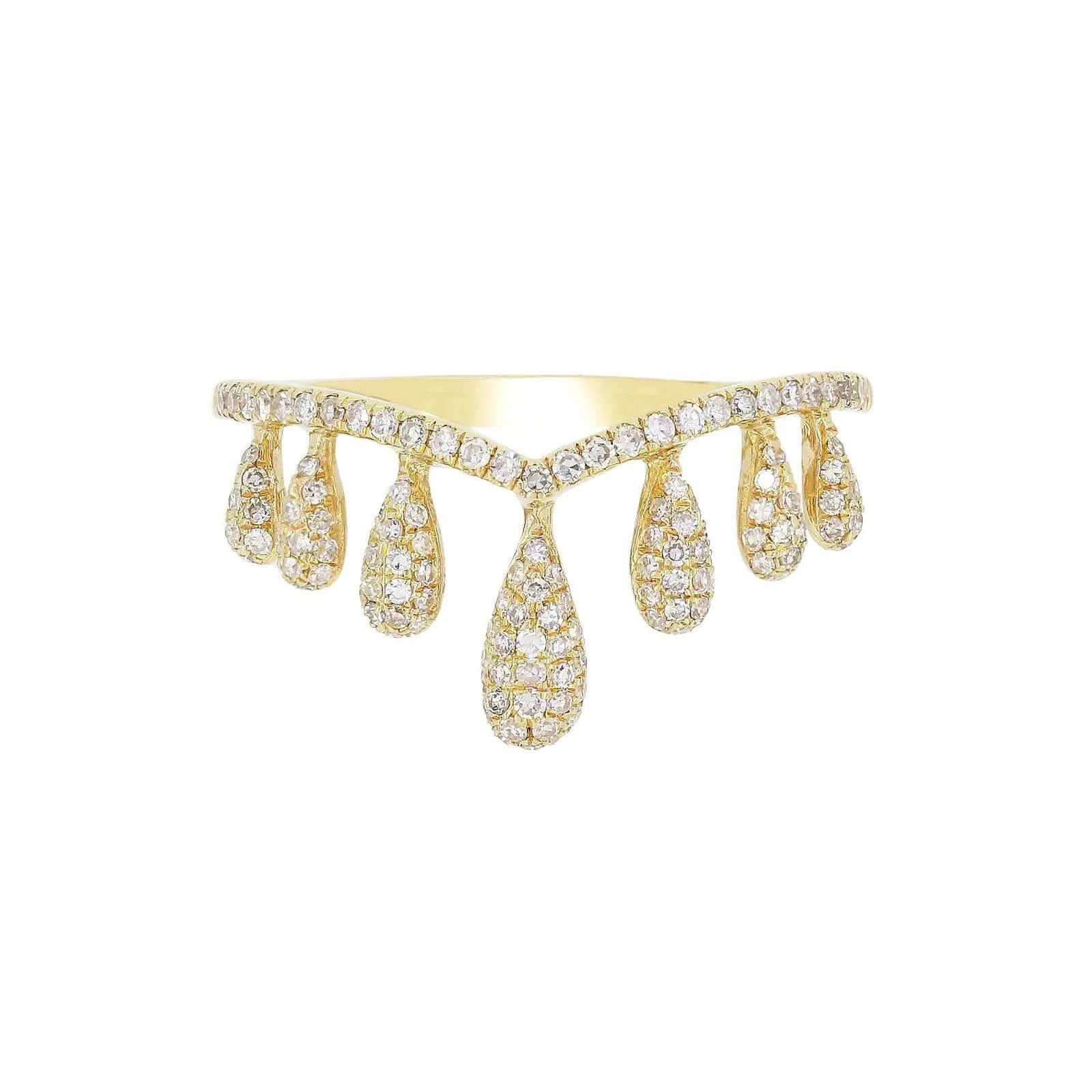
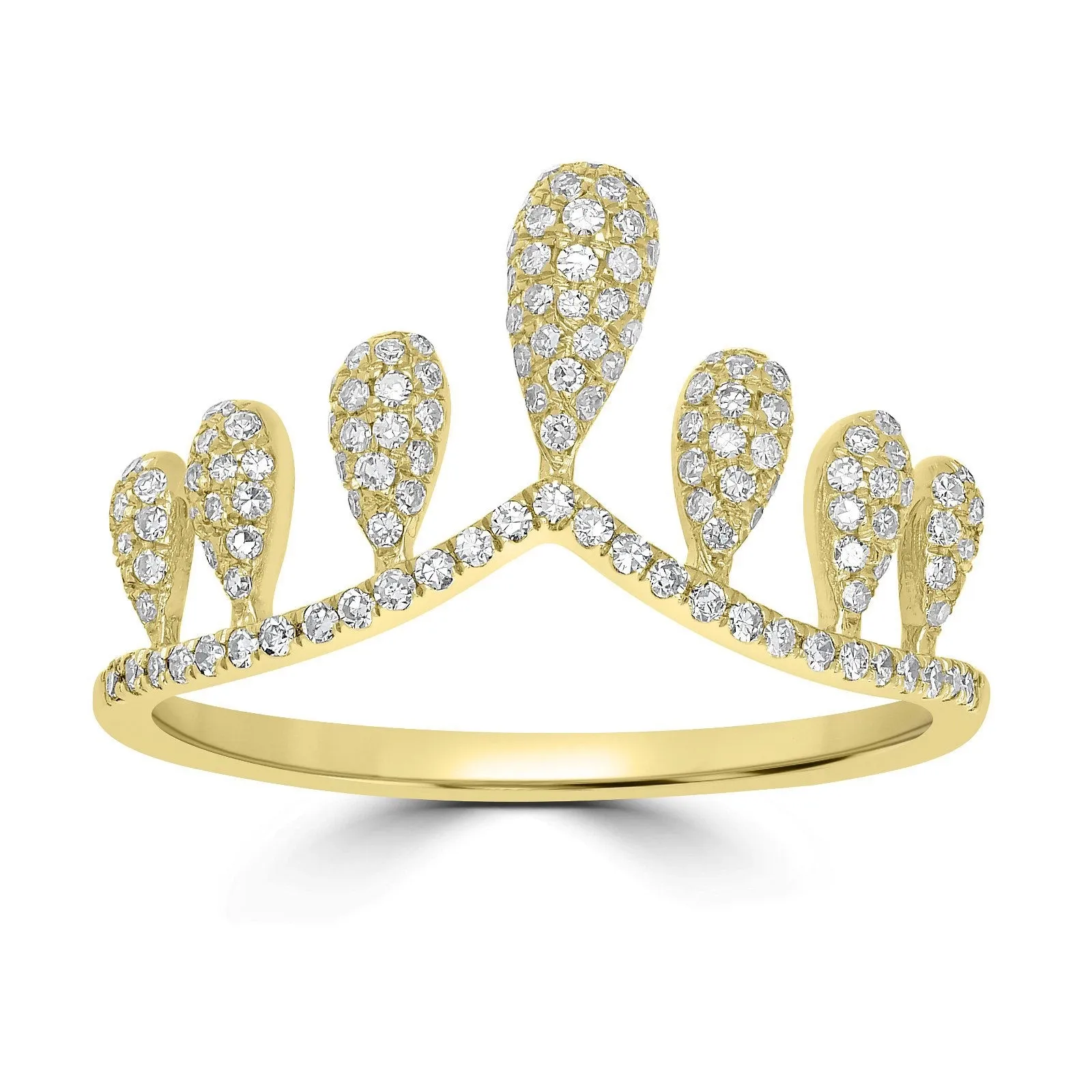
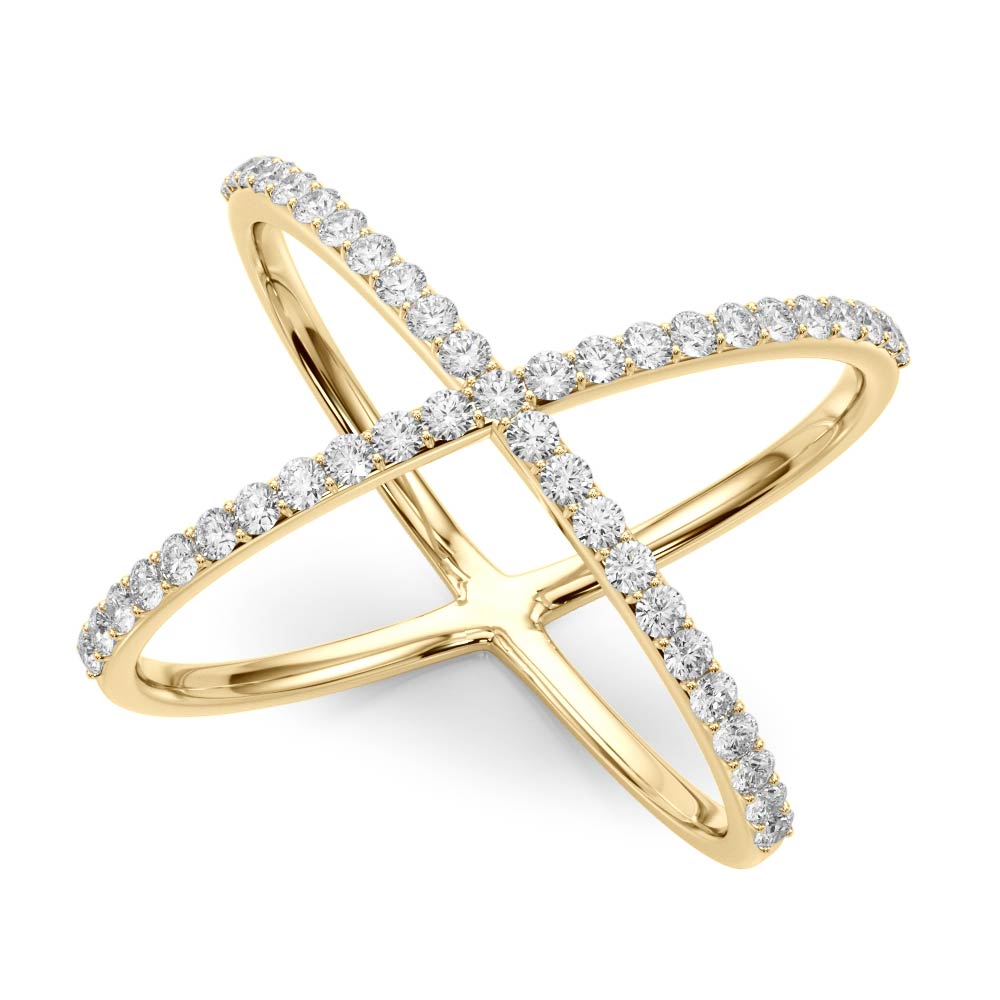
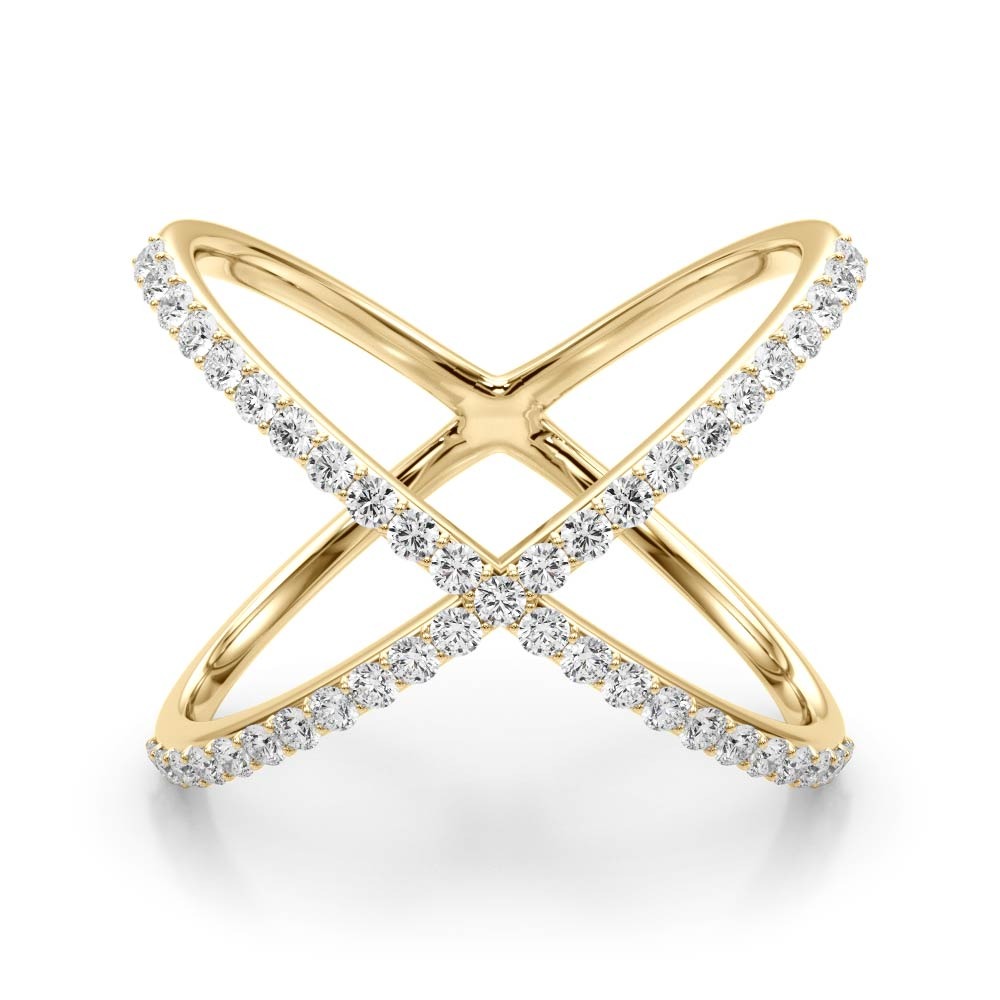
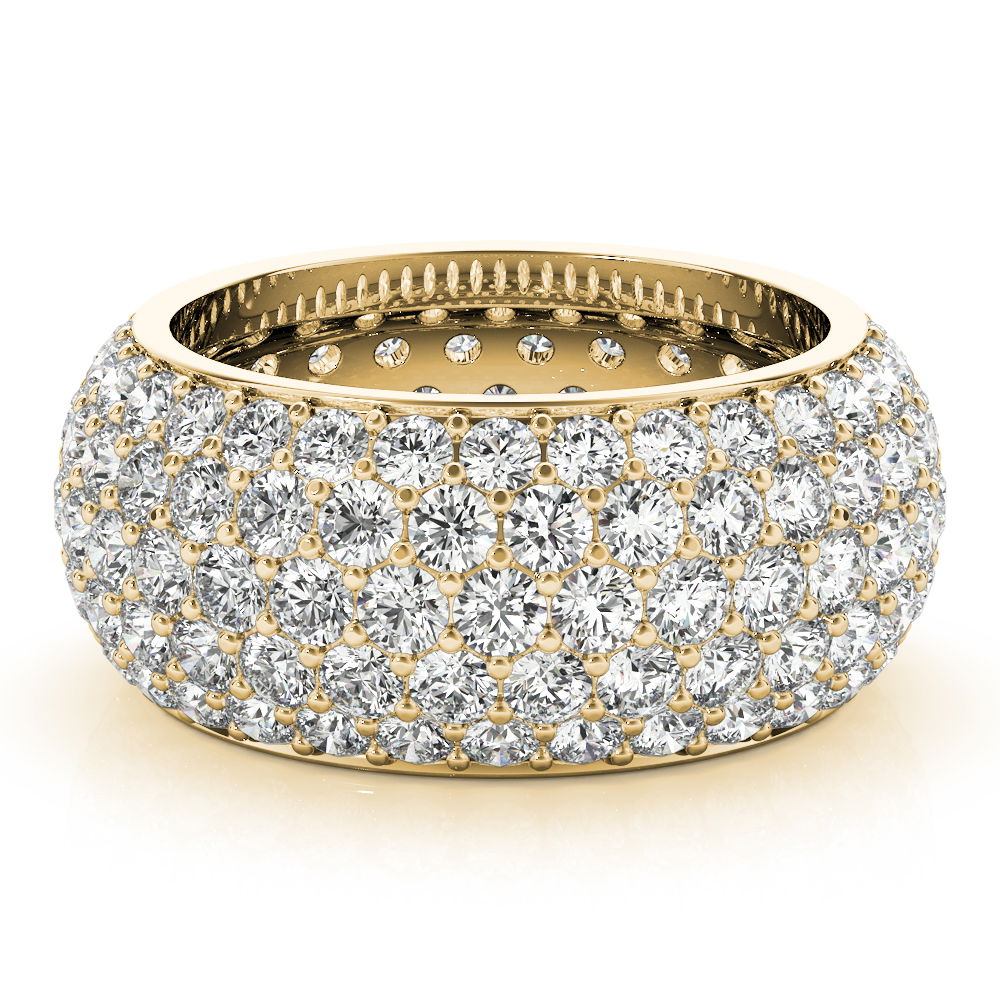
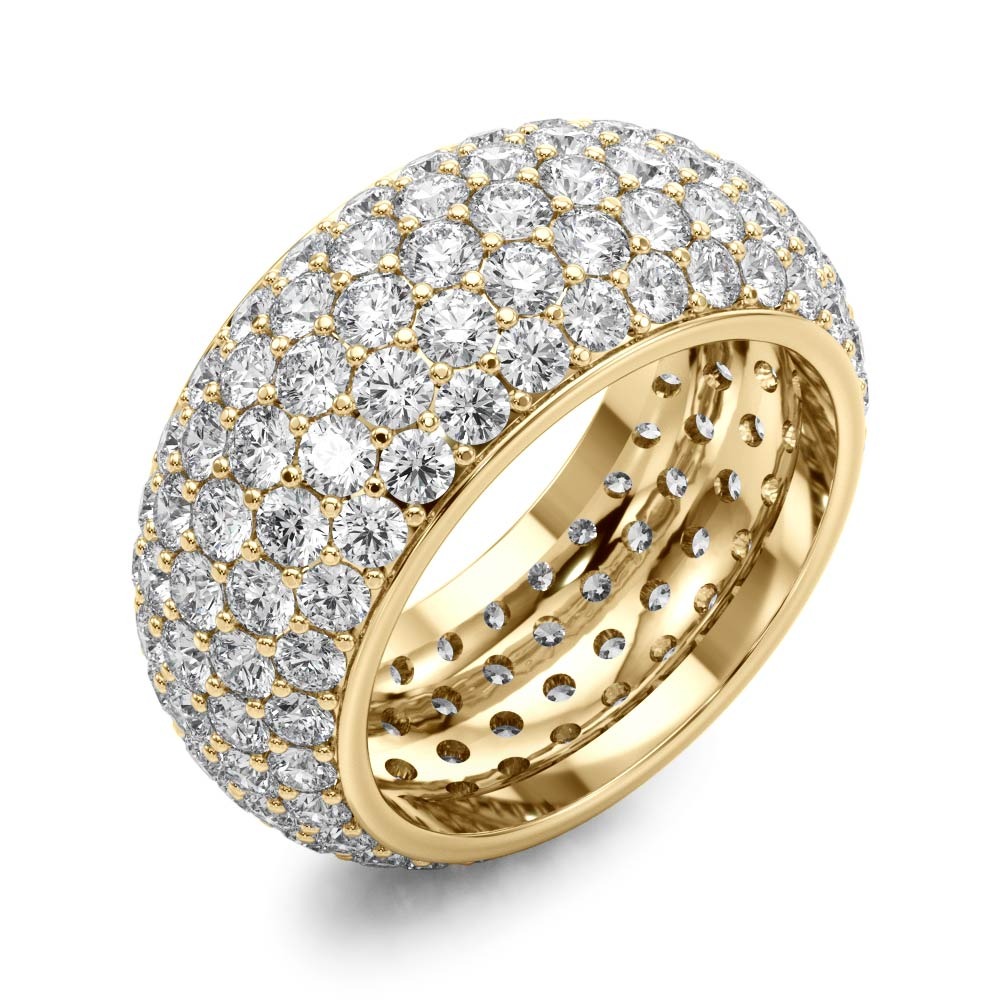
Yellow gold has a warmth to it that other metals can't quite replicate — a colour a lot of people gravitate toward specifically because it doesn't look overly modern or cold. It's also the tone most people picture first when they think of gold jewelry in general, the one that's stayed in fashion the longest and rarely feels out of place next to anything else you already own. Whatever piece you're looking at, from a thin stack of rings to a full pair of hoops, that same warm tone carries through. The range covers both diamond pieces and designs set with colourful gemstones like tourmaline, ruby and sapphire, one of the more popular directions in fine jewelry right now.
Available in Yellow Gold
Whichever piece catches your eye, here's everywhere yellow gold shows up across the collection:
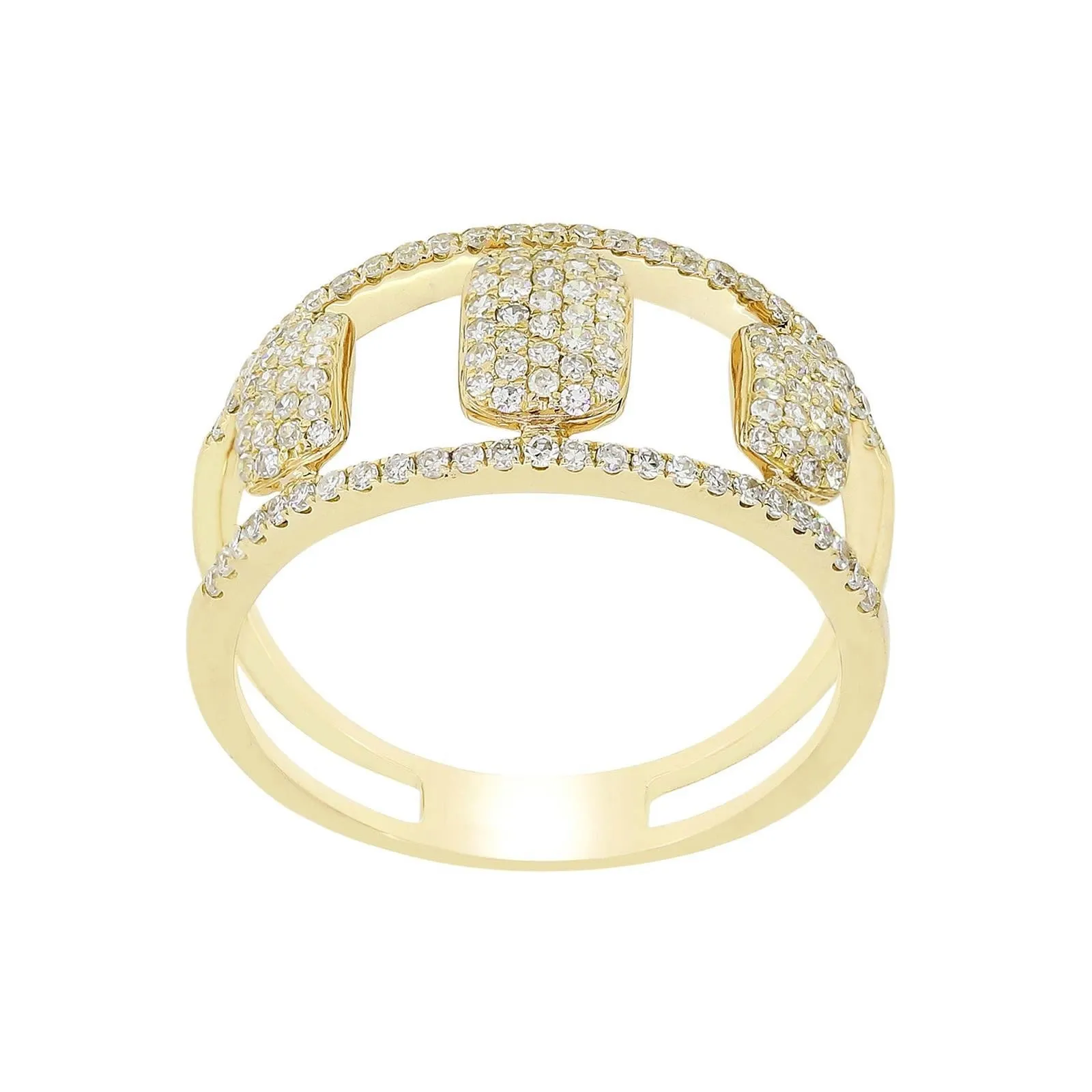
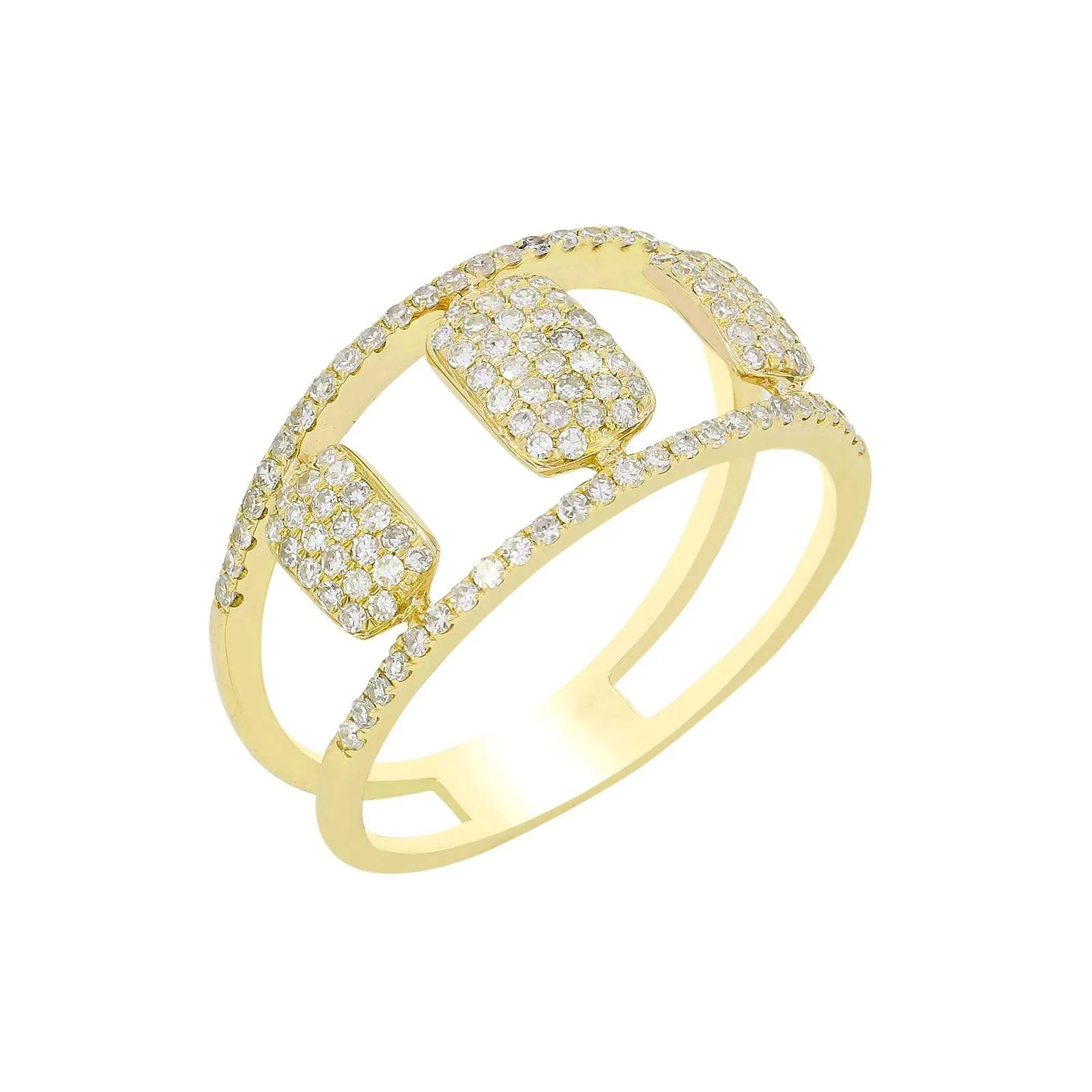
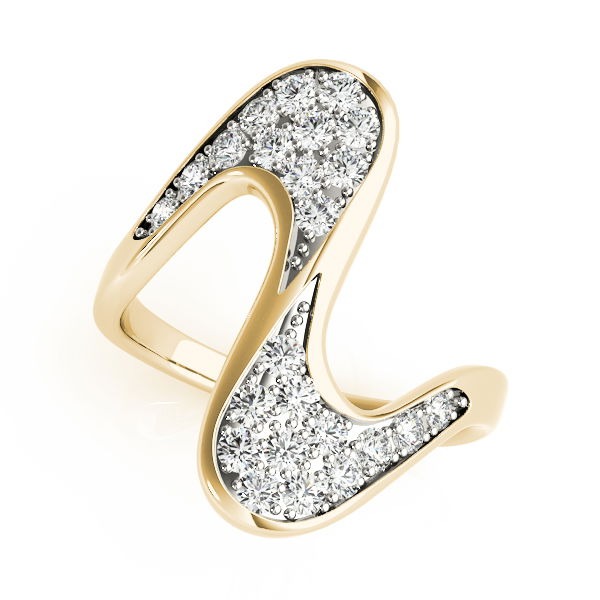
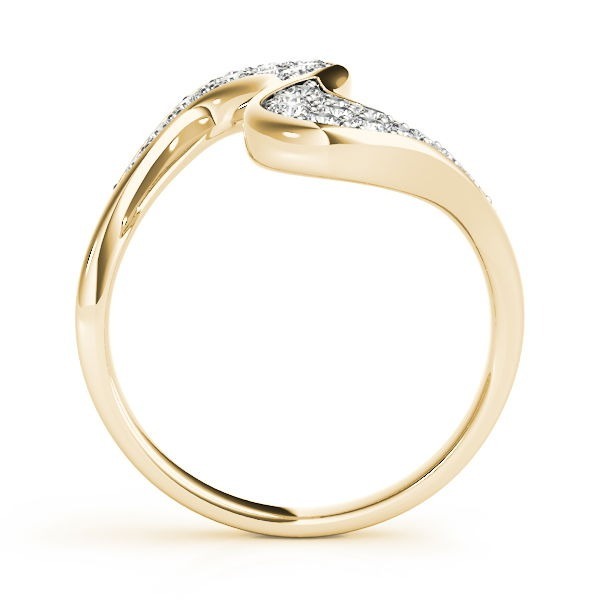
- Yellow gold fashion and initial rings, from bezel-set solitaires and wave or wishbone bands to a personal, gemstone-set or engraved initial
- Yellow gold earrings, including solo, cluster and halo studs for women and men, drop and dangle styles up to a full diamond tennis strand, and hoops or huggies from a small huggie to a 35 mm statement hoop
- Yellow gold necklaces, from a solitaire pendant in a basket or bezel setting to personalised initial and number designs
- Yellow gold bracelets, including diamond tennis bracelets, initial pieces and simpler classic bands
If you're not sure where to start, a yellow gold piece rarely clashes with anything else you already wear, which makes it a safe first purchase in the metal, and an easy one to build on later.
Related Categories: Diamond Earrings, Diamond Rings, Solitaire Necklaces, Tennis Bracelets
Understanding 10K, 14K and 18K
The number refers to how much pure gold is in the metal, out of 24 parts. 10K (417) gold contains the least pure gold and the most alloy metal, making it the most resistant to everyday scratches and dents — a practical choice for a piece worn daily. 14K (585) sits in the middle, balancing durability with a warmer, richer colour than 10K. 18K (750) contains the most pure gold of the three, giving it the deepest, richest tone, though it's also the softest and shows wear more easily over time.
As a rule of thumb: 10K suits a piece that rarely comes off, like a bracelet or a ring worn every day; 14K is the more versatile middle ground for most jewelry; and 18K is worth considering for a piece you'll wear more occasionally, where colour matters more than daily durability.
Choosing Between Natural and Lab-Grown Diamonds
Whatever the piece, there's still one decision that applies across all of them: where the diamond comes from. Natural diamonds formed underground over billions of years, while lab-grown diamonds are created in a matter of weeks through a process that replicates those same conditions. Both are genuine diamonds, chemically and physically identical, and neither should be confused with simulants like cubic zirconia or moissanite — the choice comes down to personal preference, not quality.
Related: Lab-Grown vs. Mined Diamonds: An Honest Comparison
Diamond Quality and Certification
Diamond quality is measured by carat weight, colour, clarity, and cut grade. Colour is graded on a scale from colourless to visibly tinted, and our diamonds are typically graded F/G. Clarity indicates the presence of natural inclusions; ours are typically VVS/VS, meaning any inclusions are difficult to see without magnification. Larger centre stones in our collection are accompanied by an IGI certificate detailing these characteristics.
Related: The 4Cs Made Simple: What Really Affects a Diamond's Appearance