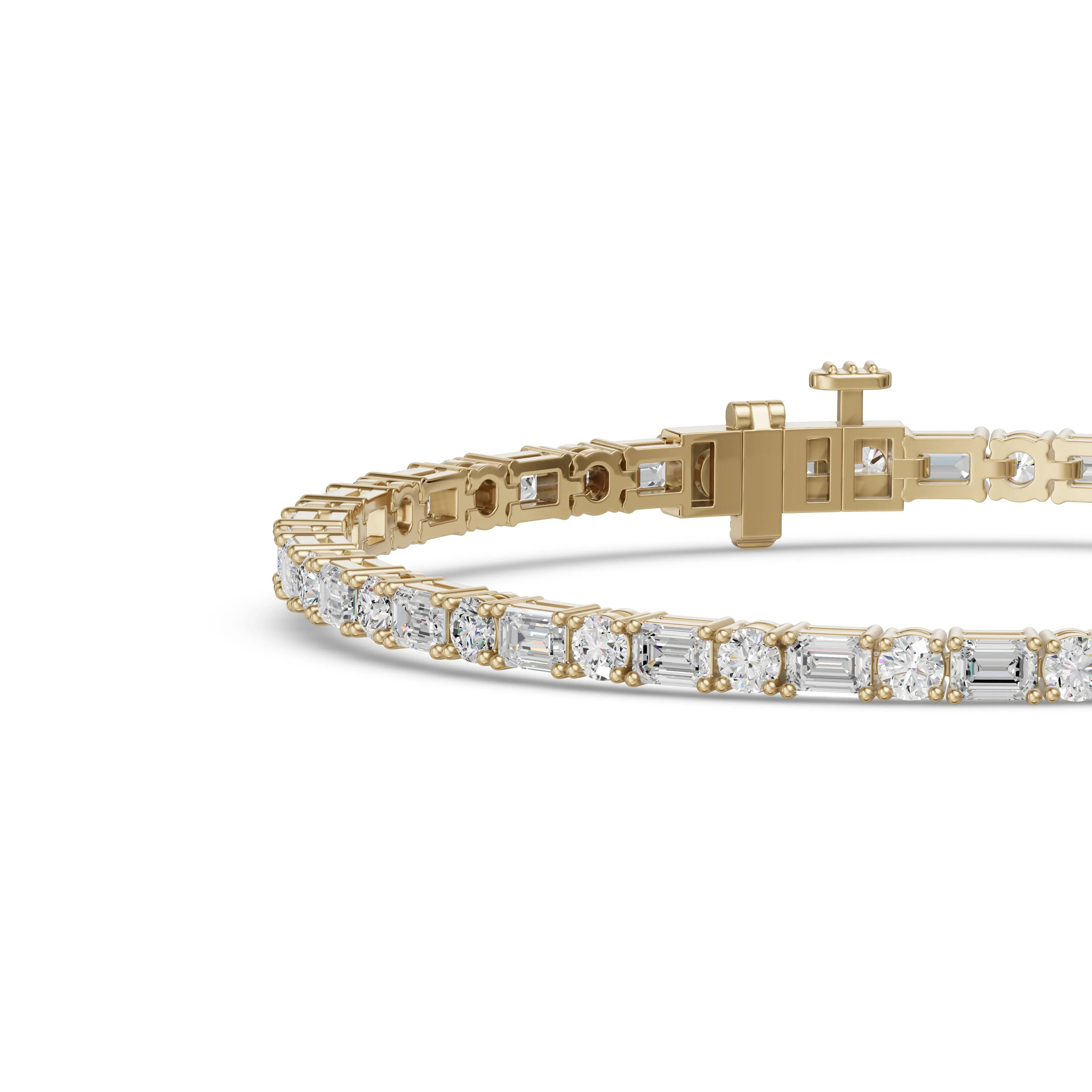
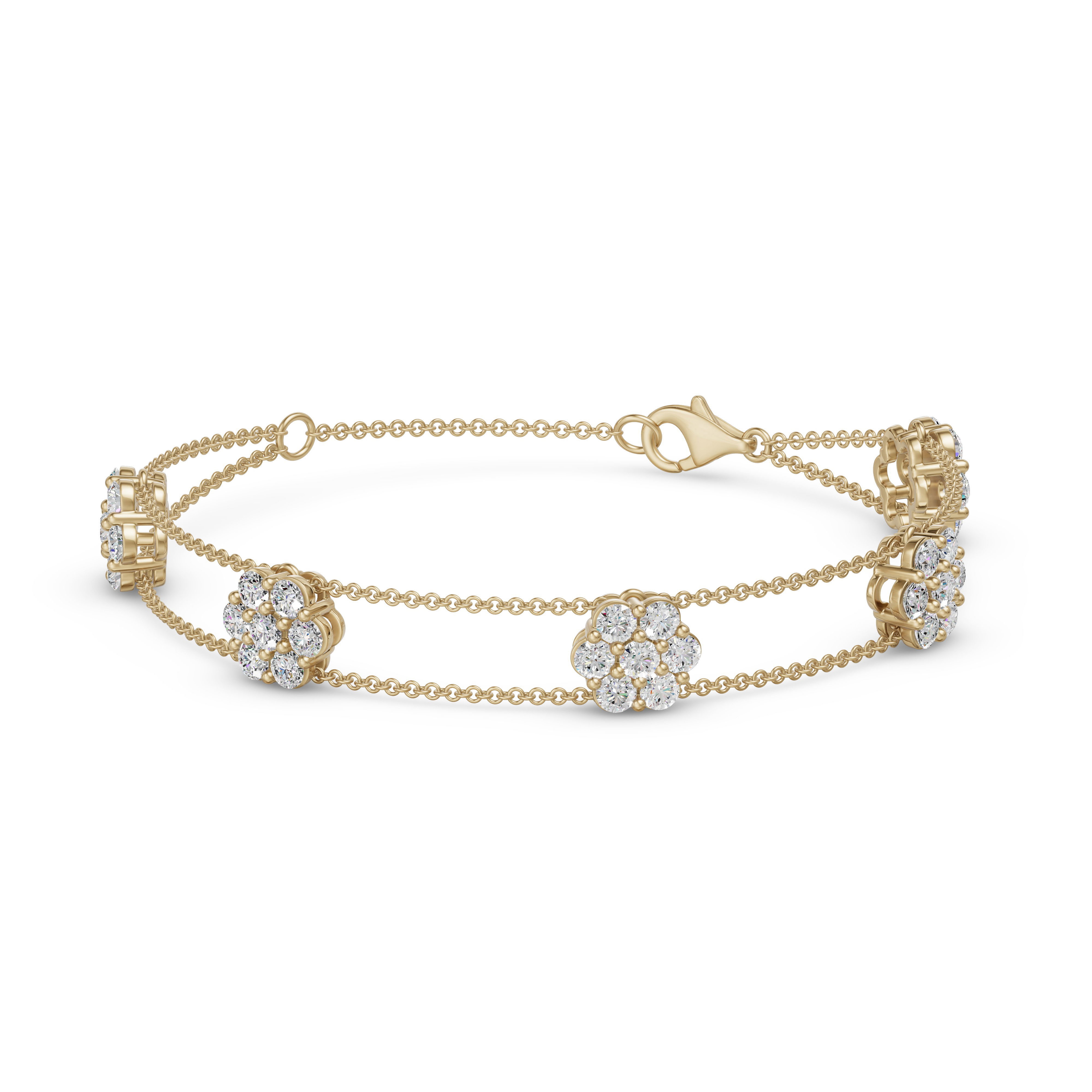
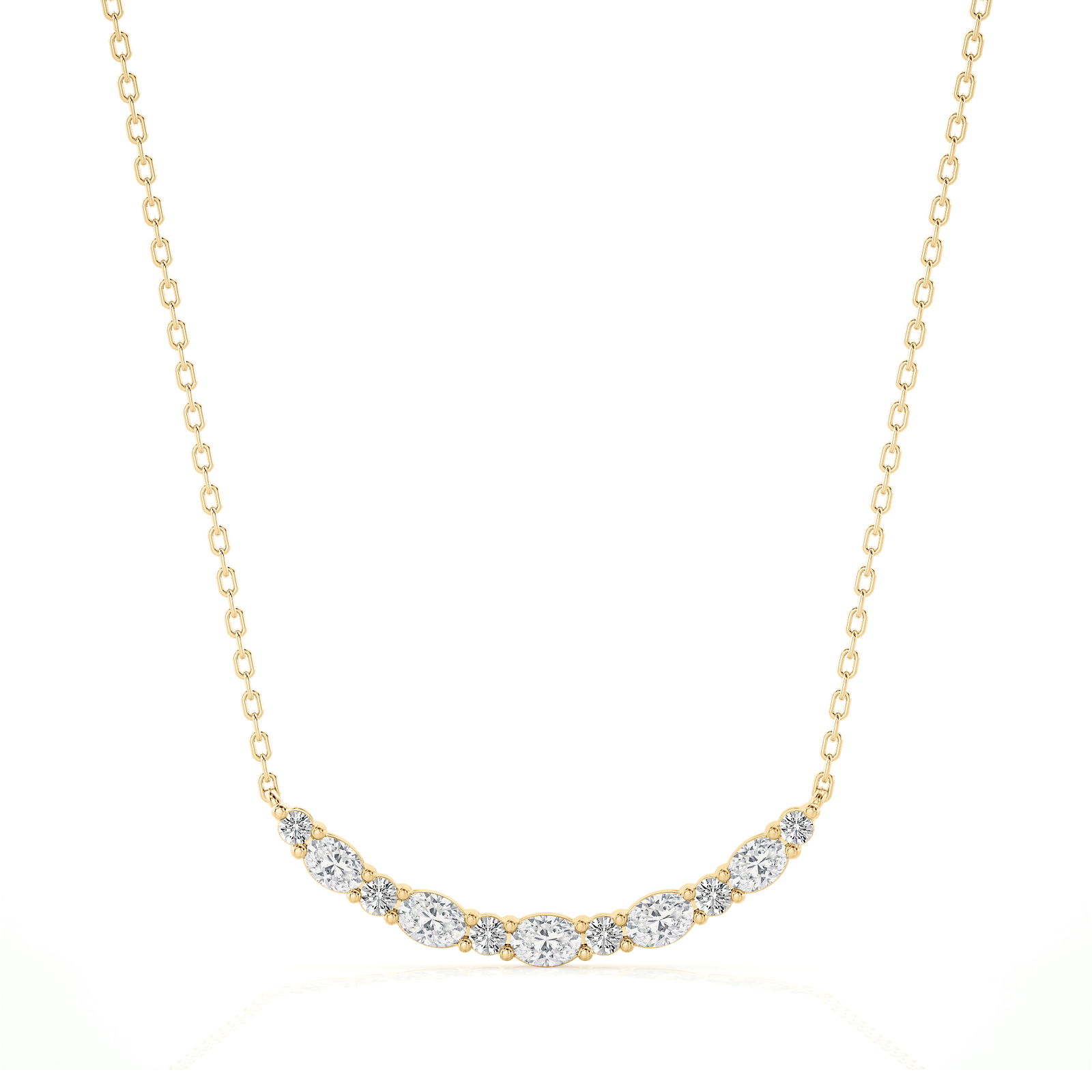
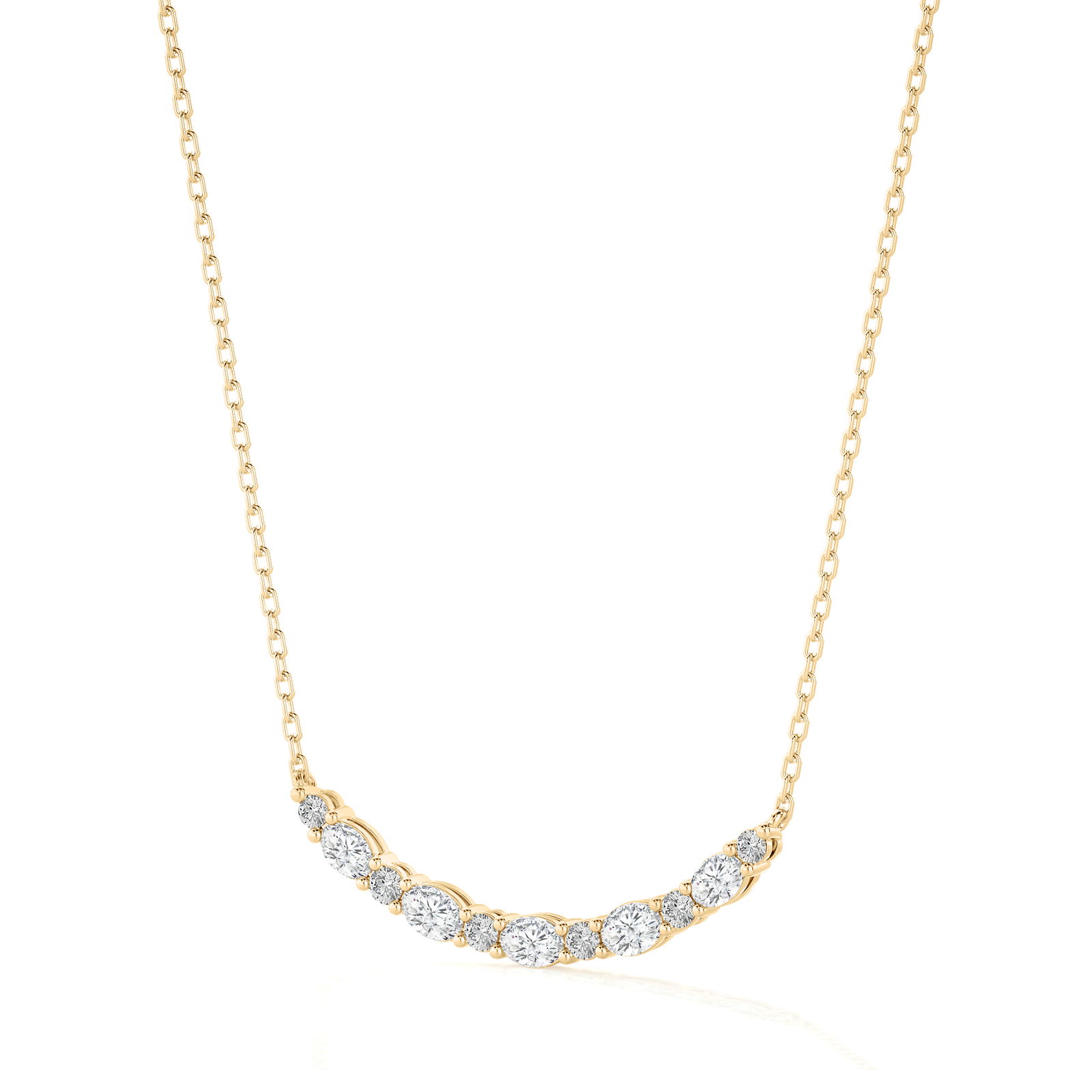
Gold is the metal most people picture when they picture fine jewelry at all, and with three tones to choose between — warm yellow, cool white and soft pink rose — there's a version of it to suit almost anyone. Outside of the wedding and engagement side of things, gold shows up across nearly everything else in the collection, from a first pair of studs to a small stack of rings built up one gift at a time.
Understanding 10K, 14K and 18K
The number refers to how much pure gold is in the metal, out of 24 parts. 10K (417) gold contains the least pure gold and the most alloy metal, making it the most resistant to everyday scratches and dents — a practical choice for a piece worn daily. 14K (585) sits in the middle, balancing durability with a richer colour than 10K. 18K (750) contains the most pure gold of the three, giving it the deepest, richest tone, though it's also the softest and shows wear more easily over time. As a rule of thumb: 10K suits a piece that rarely comes off; 14K is the more versatile middle ground for most jewelry; and 18K is worth considering for a piece you'll wear more occasionally, where colour matters more than daily durability.
Available in Gold
Whichever piece catches your eye, here's everywhere gold shows up across the collection:
- Fashion and initial rings, in yellow, white or rose gold, for everyday wear or a personal touch
- Stud, drop and dangle earrings, including men's styles, and hoops or huggies from a small huggie to a full 35mm statement hoop
- Necklaces, from solitaire and east-west pendants to initial and number designs
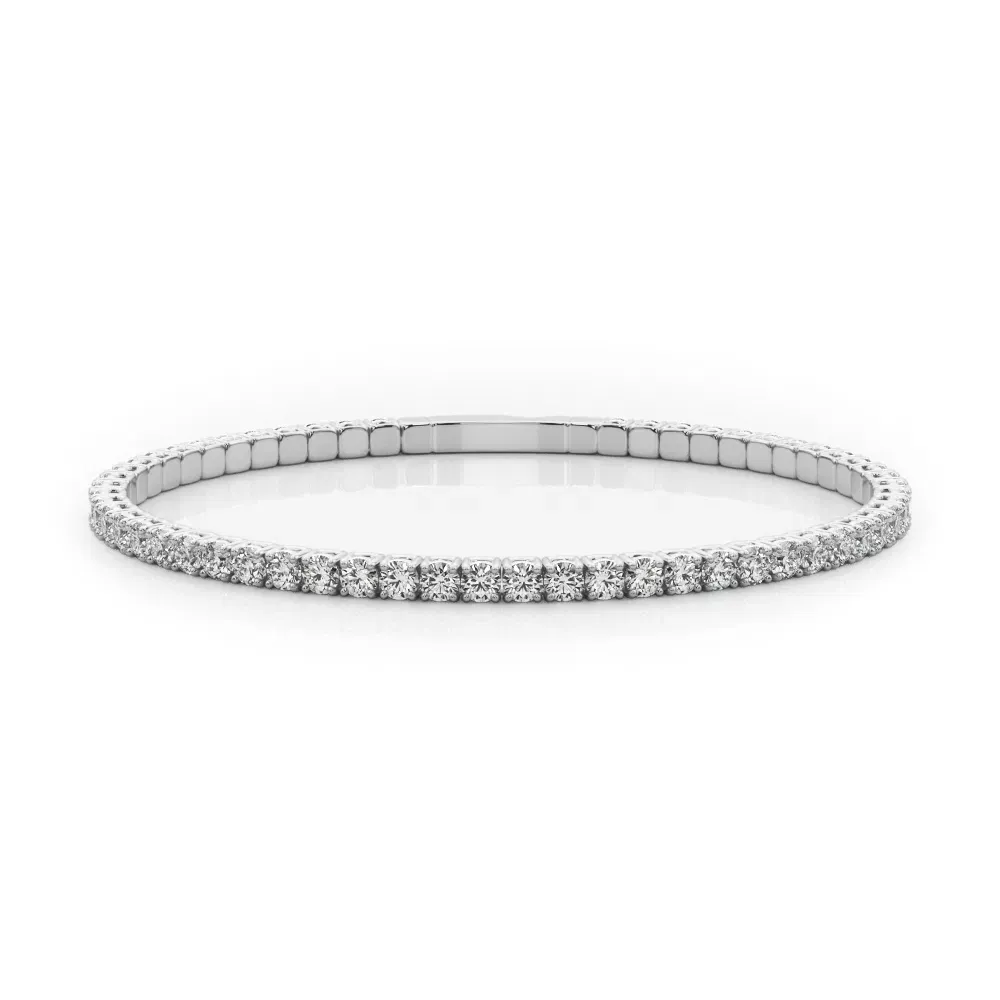
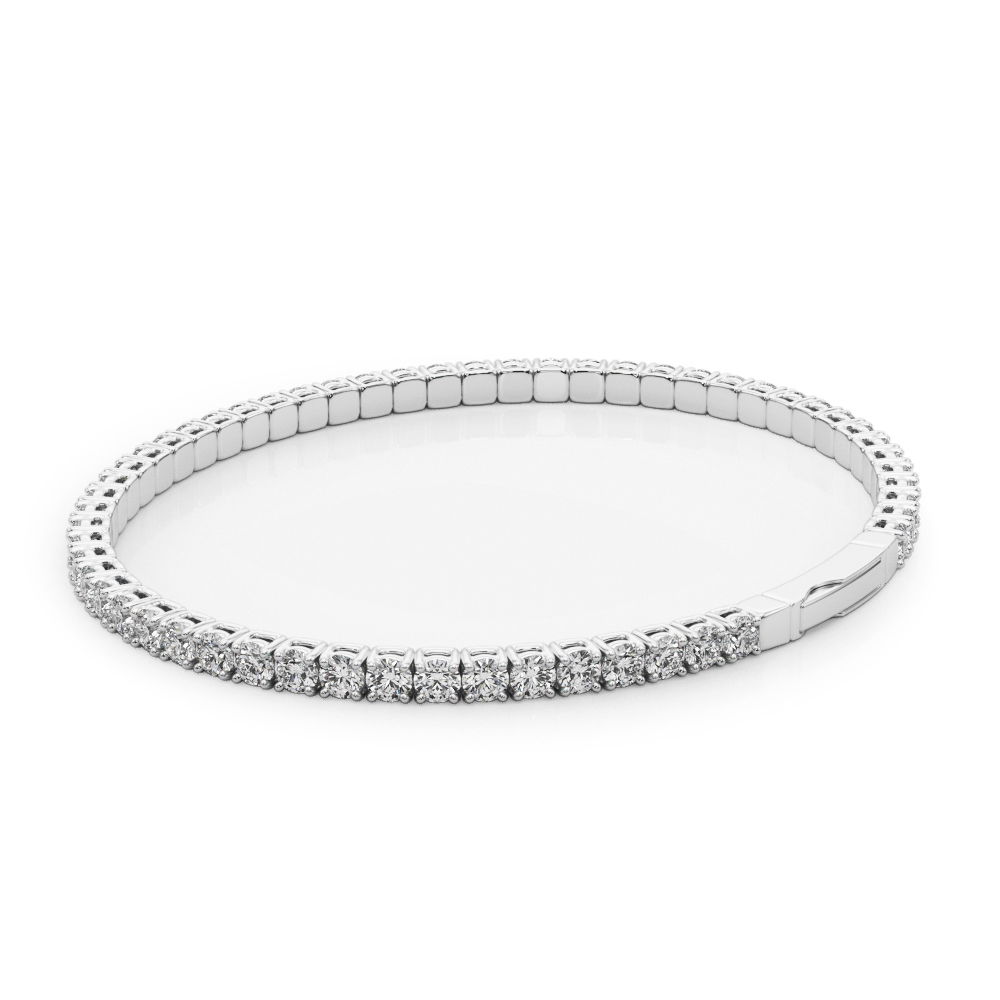
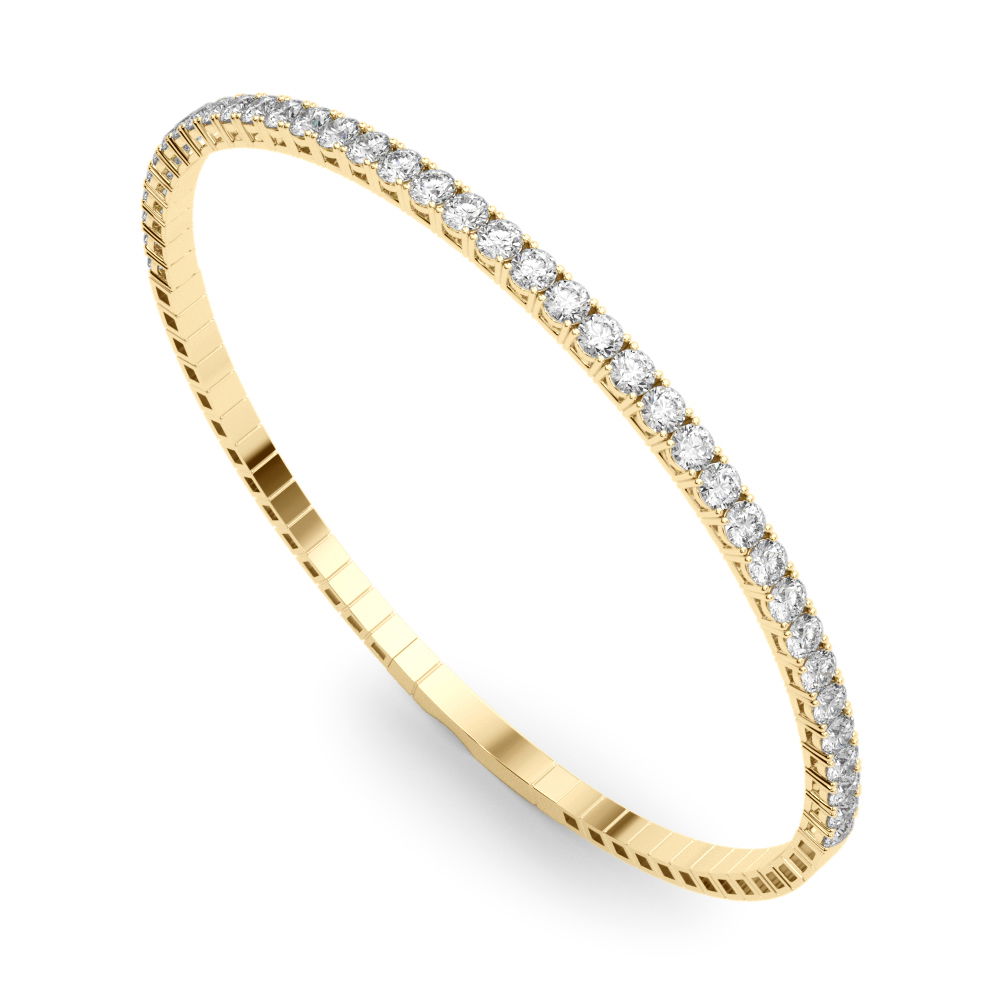
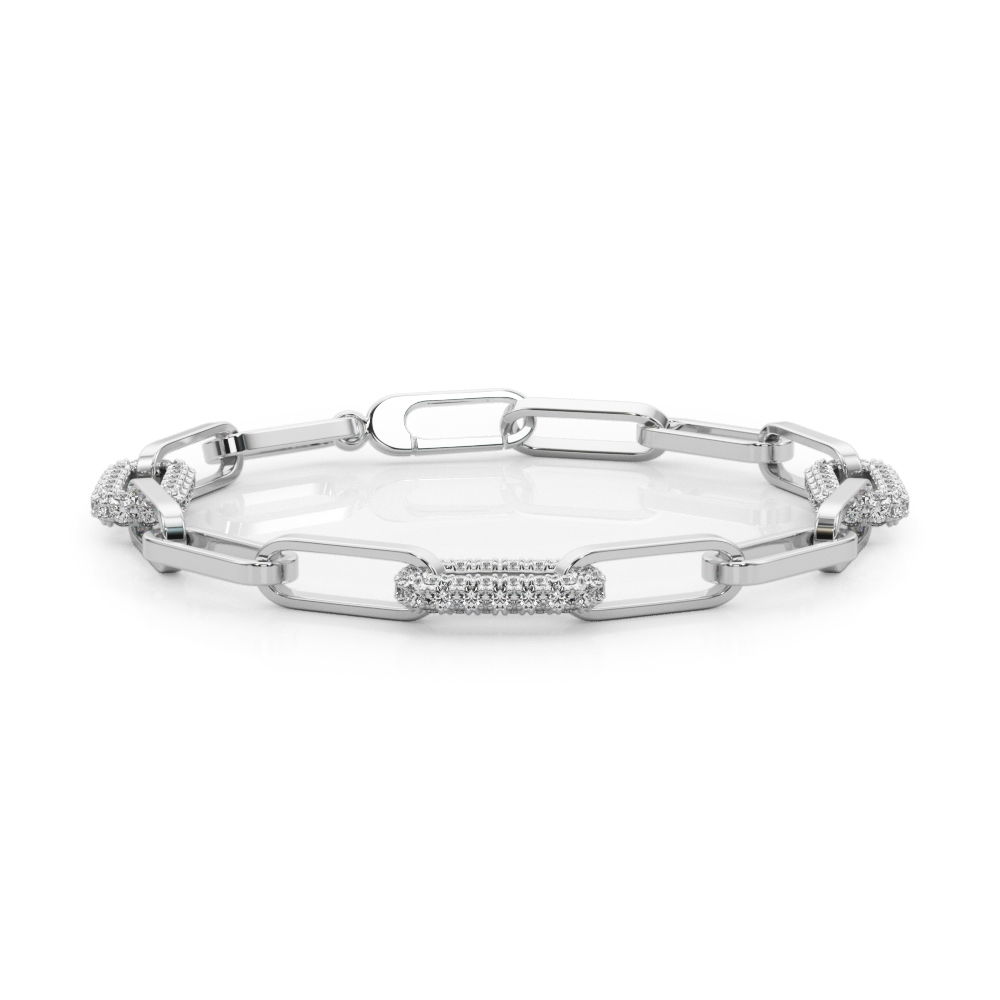
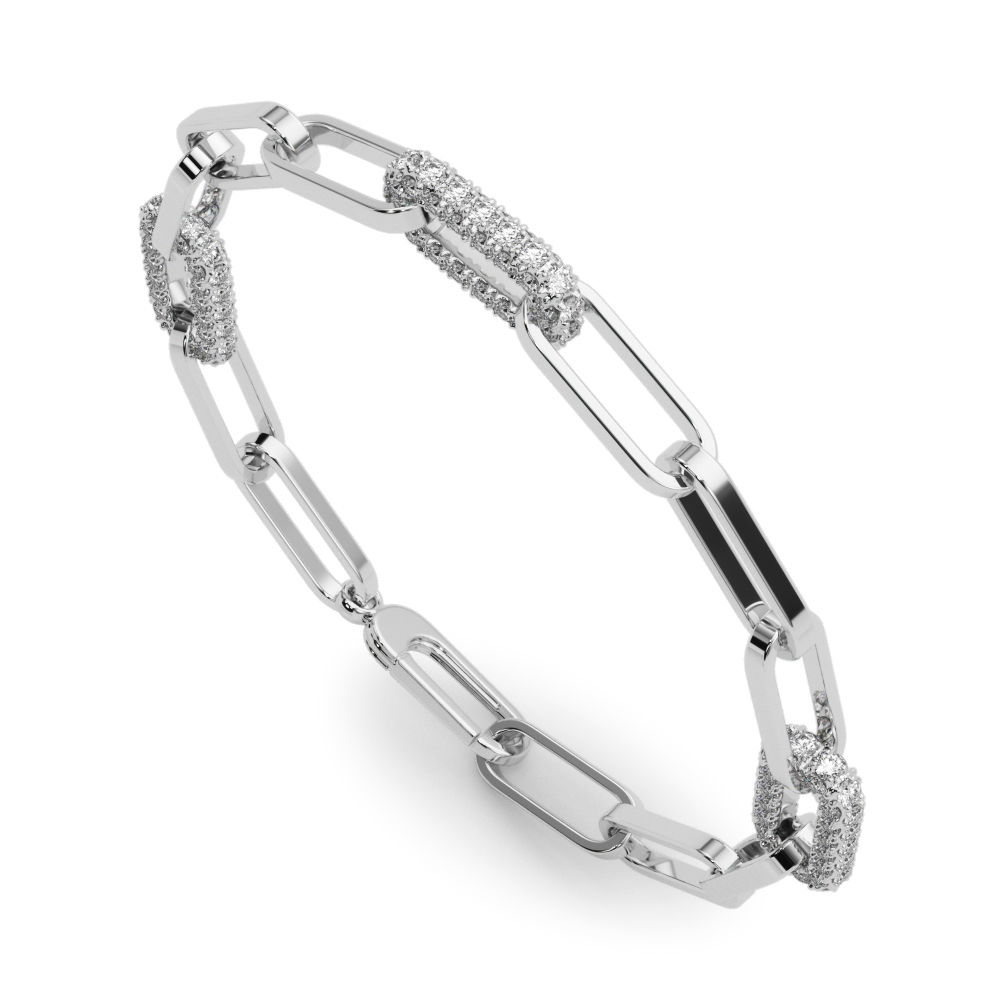
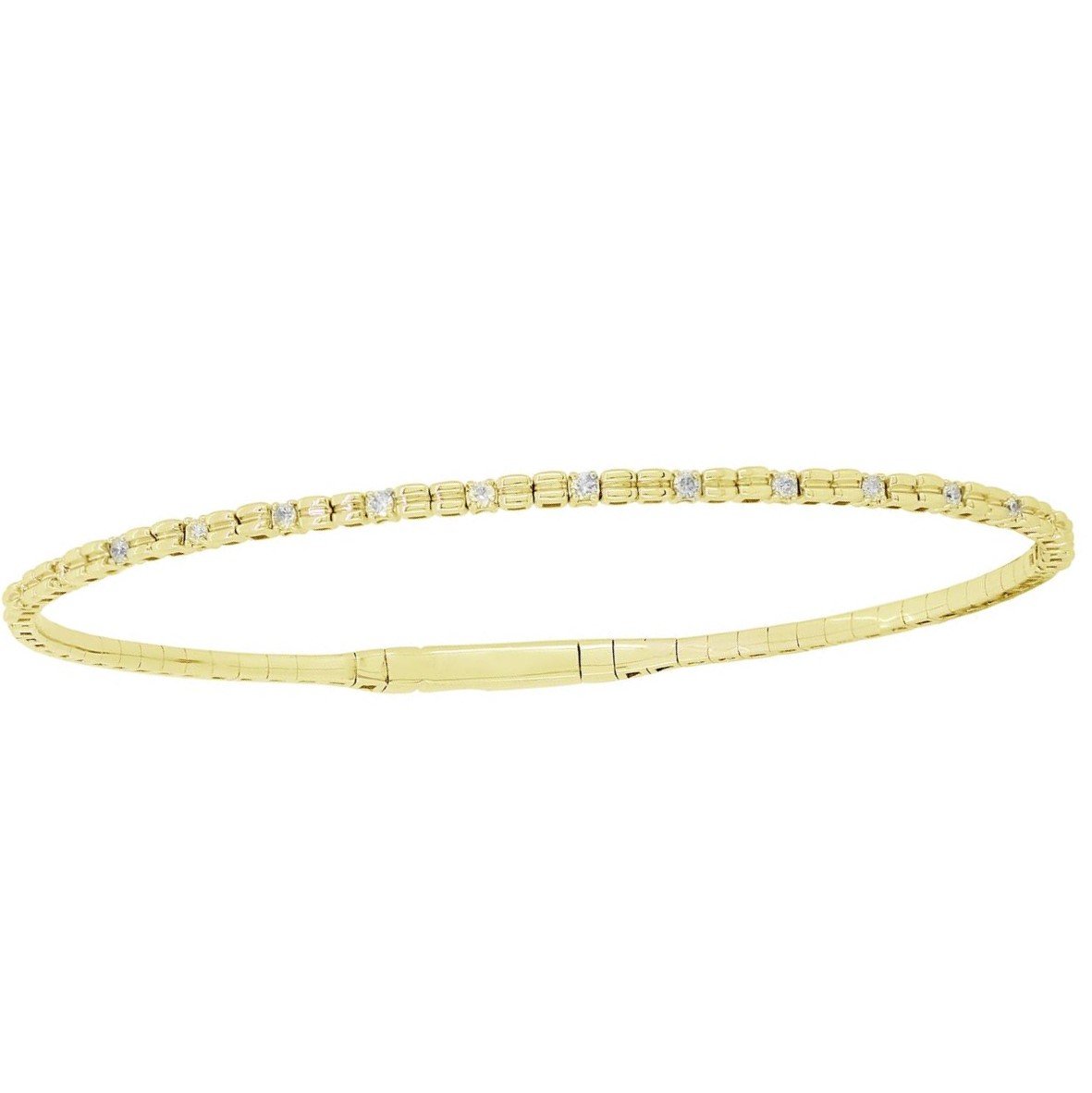
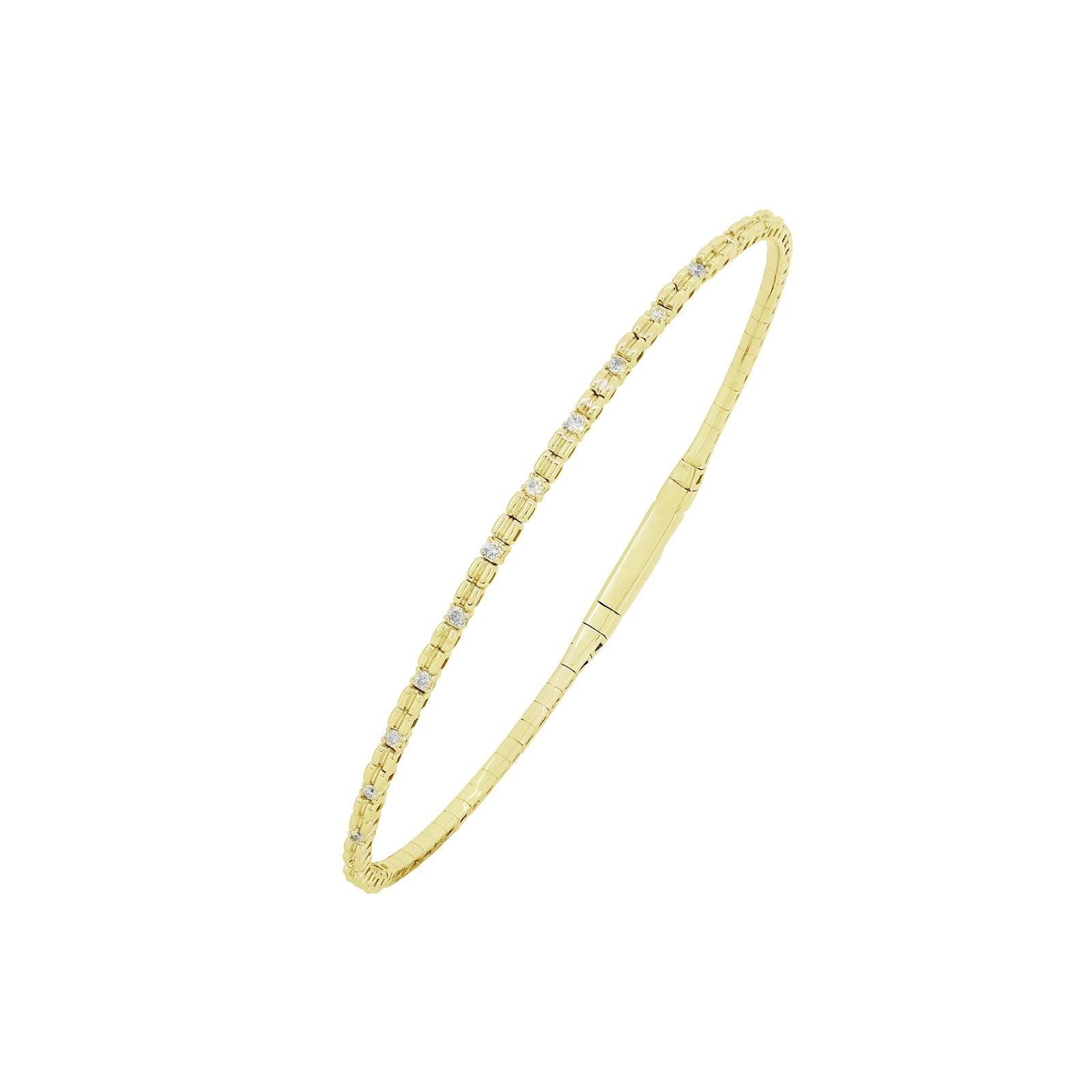
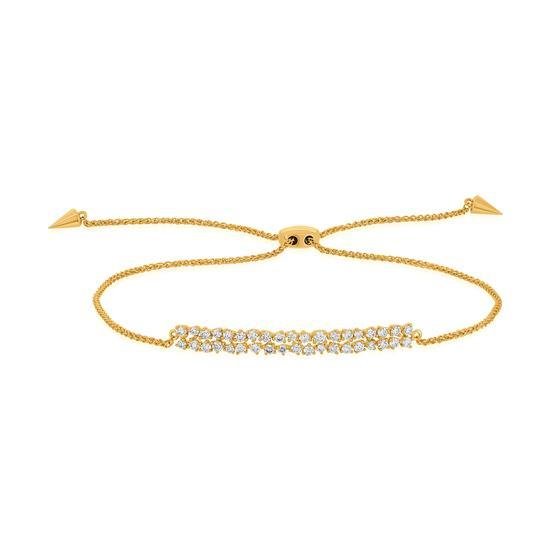
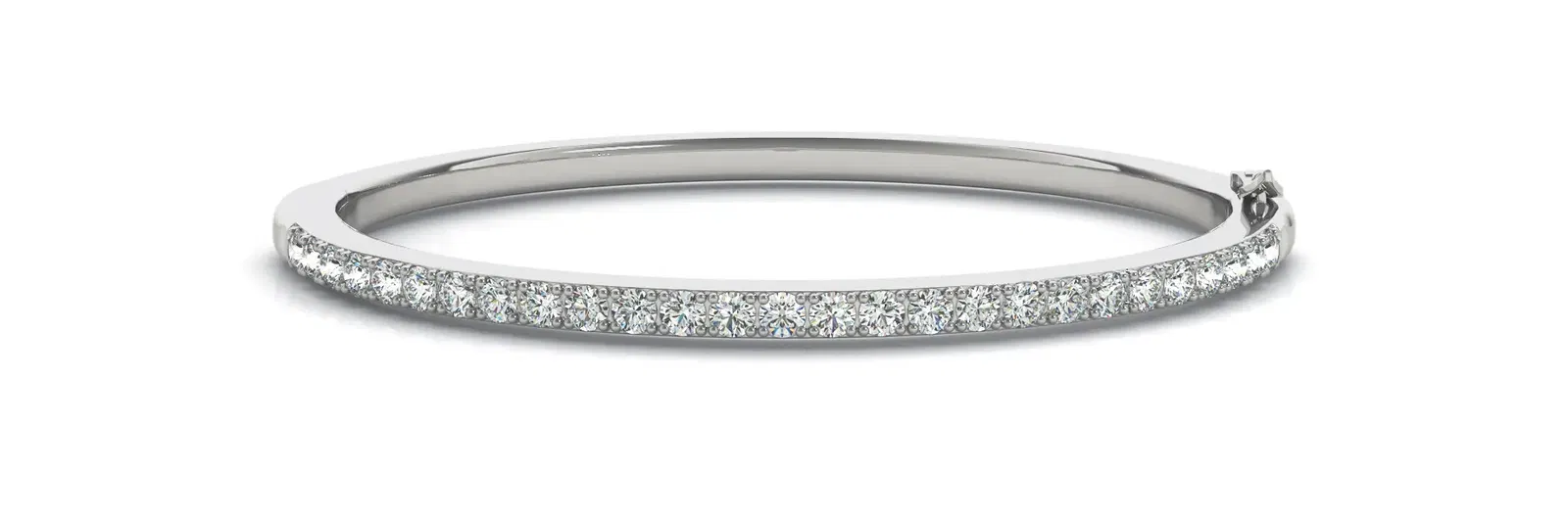
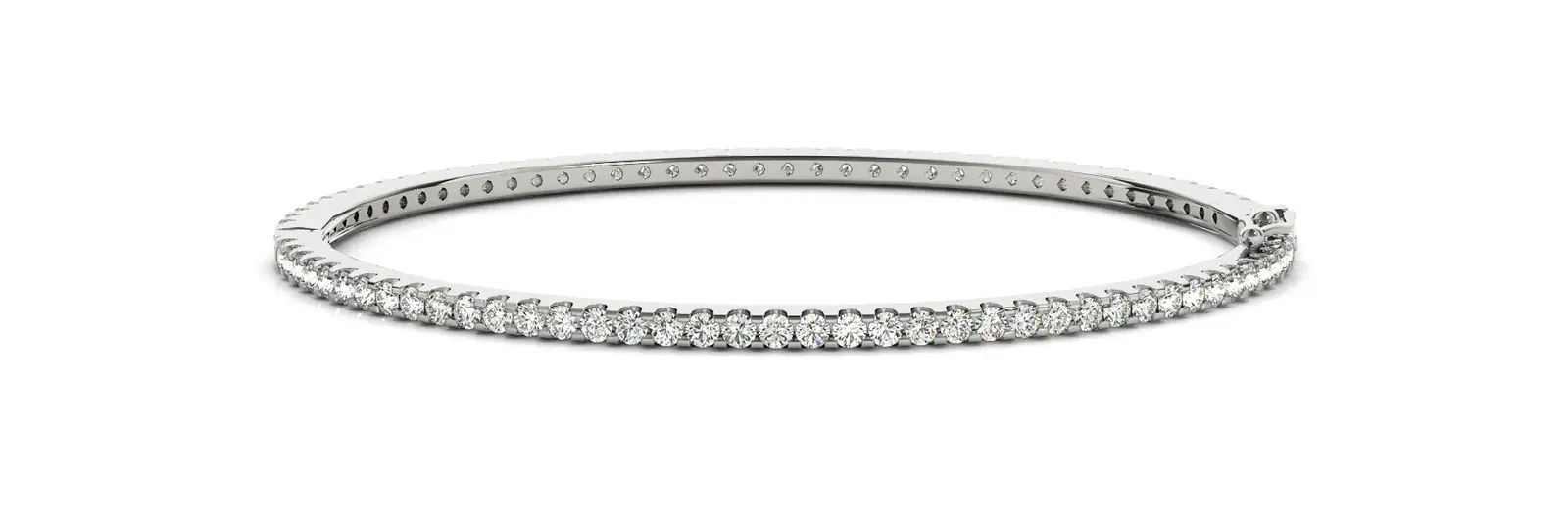
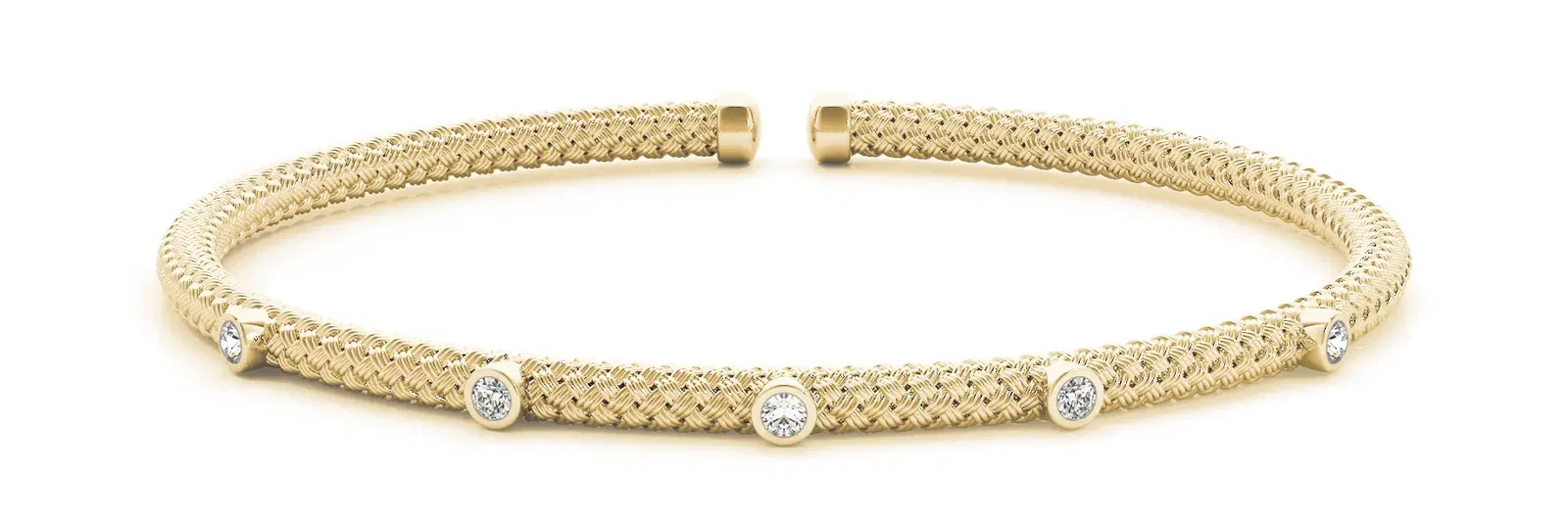
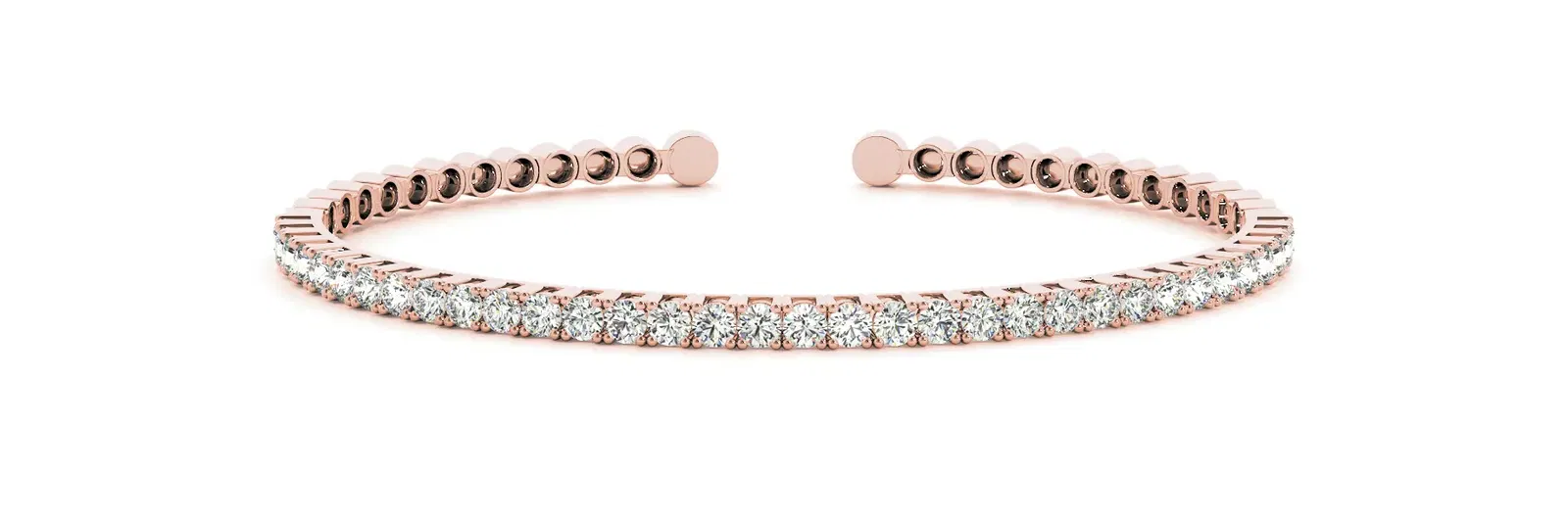
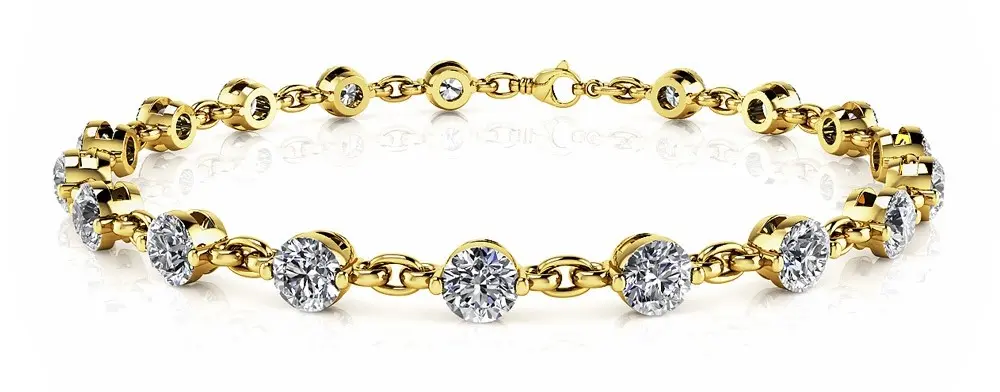
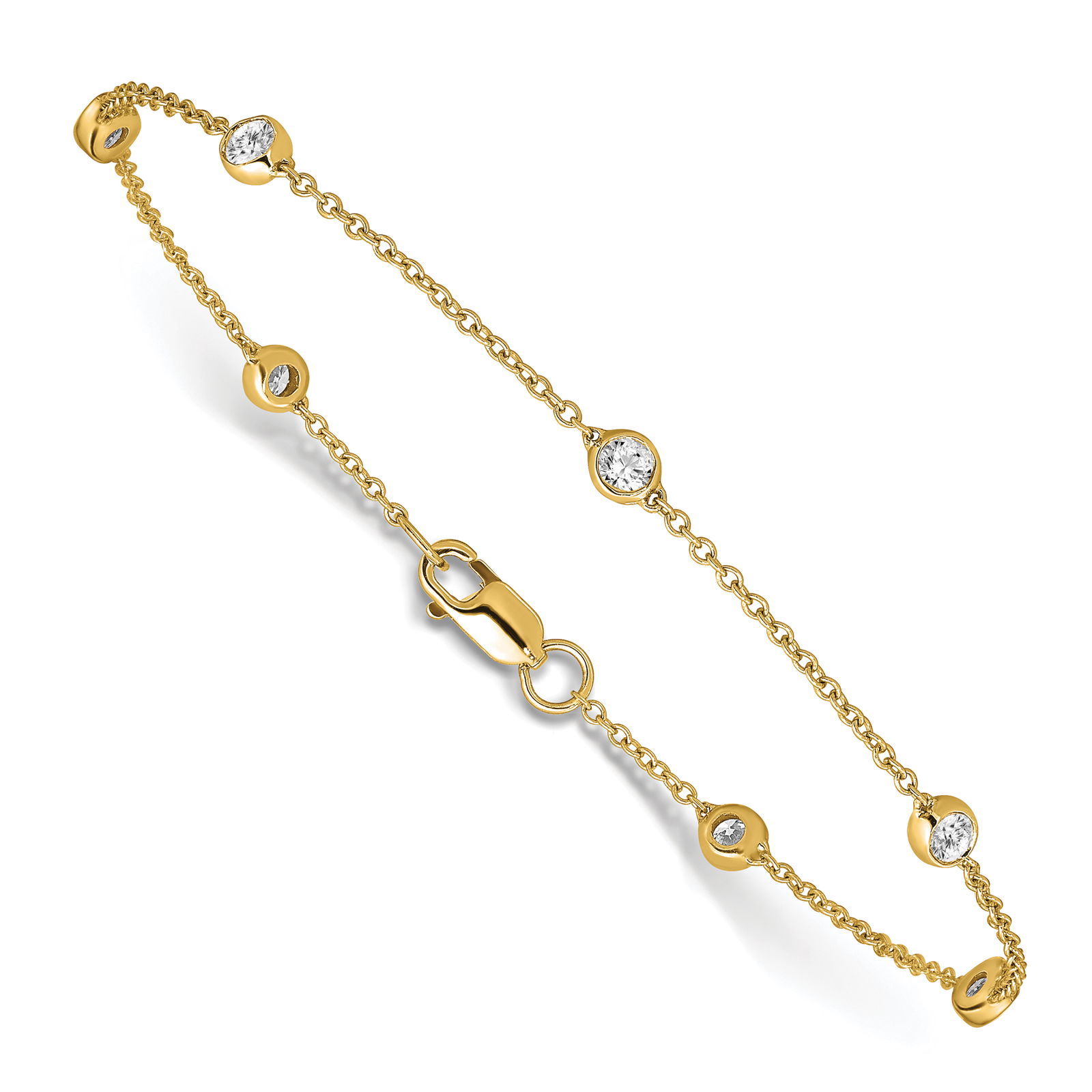
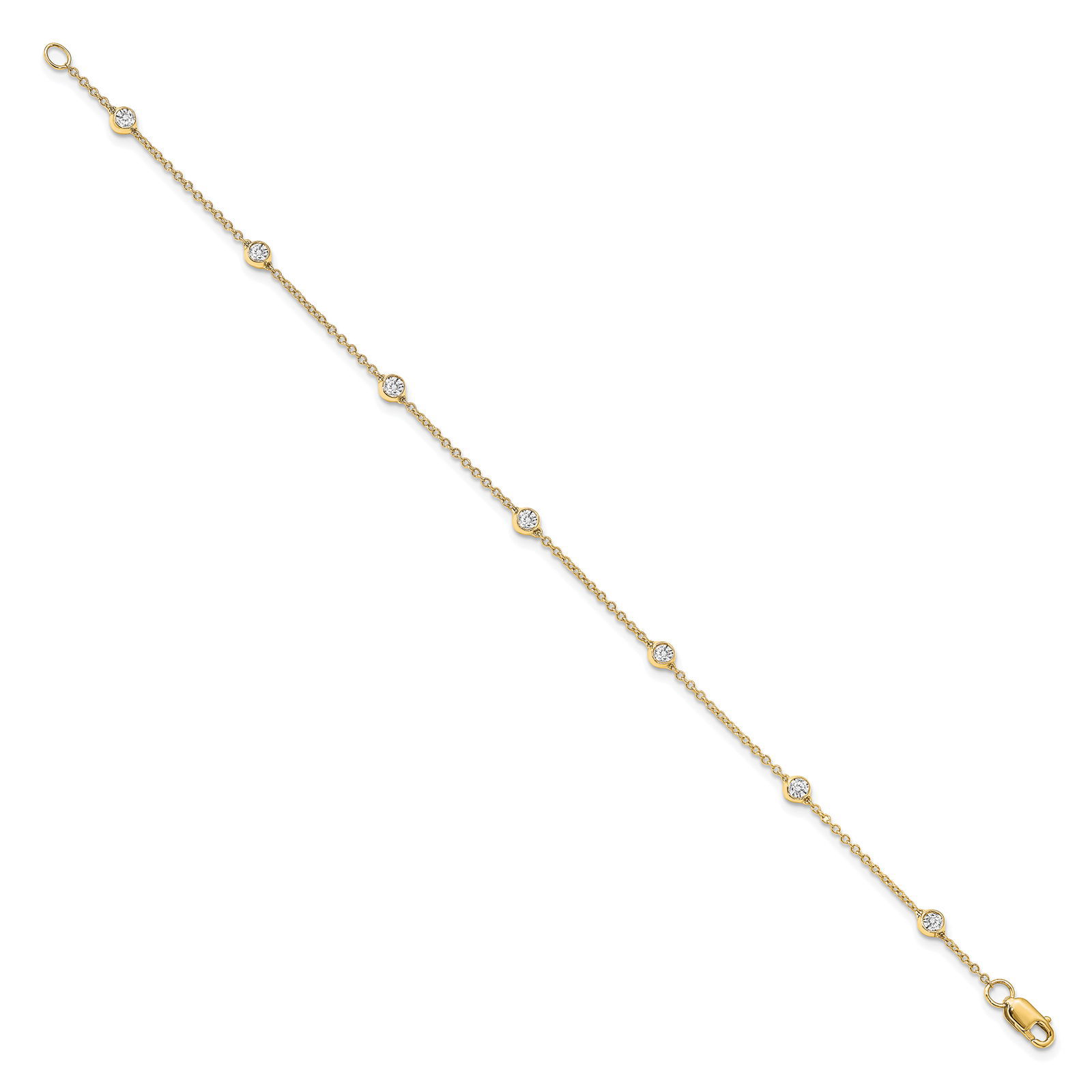
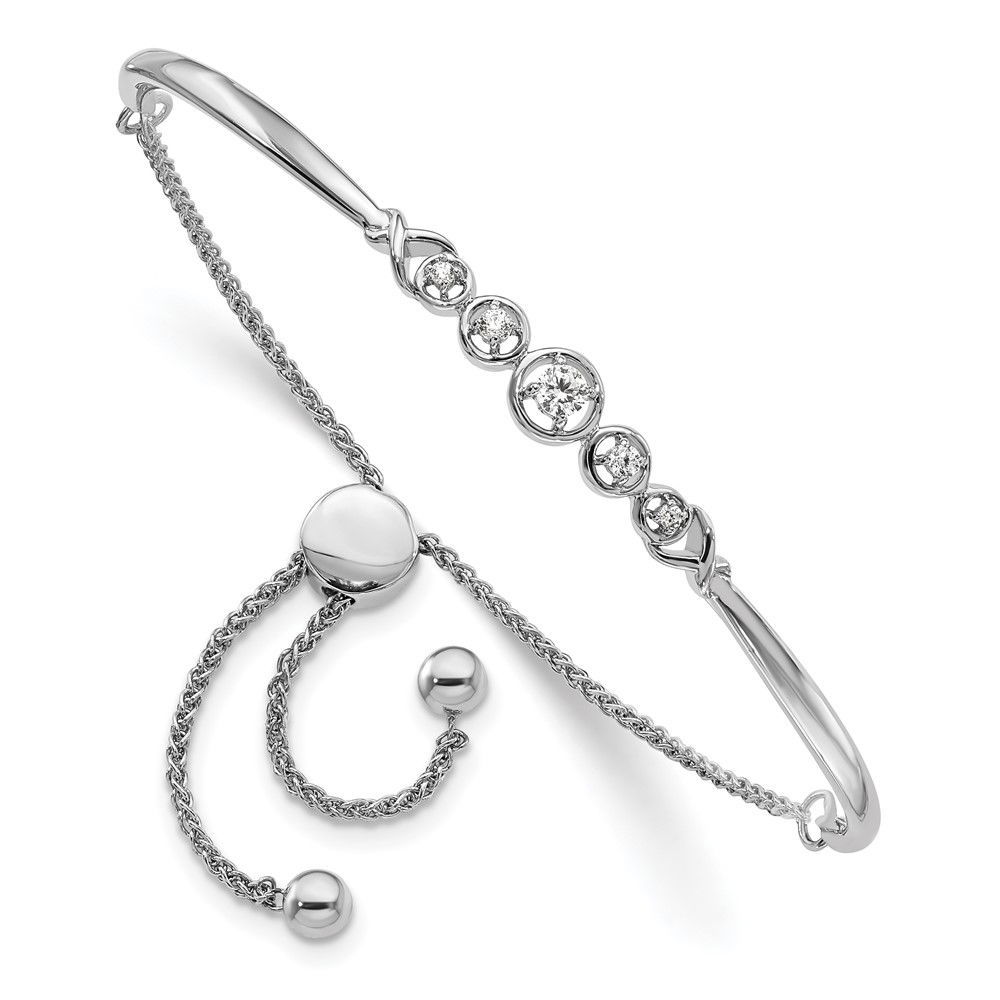
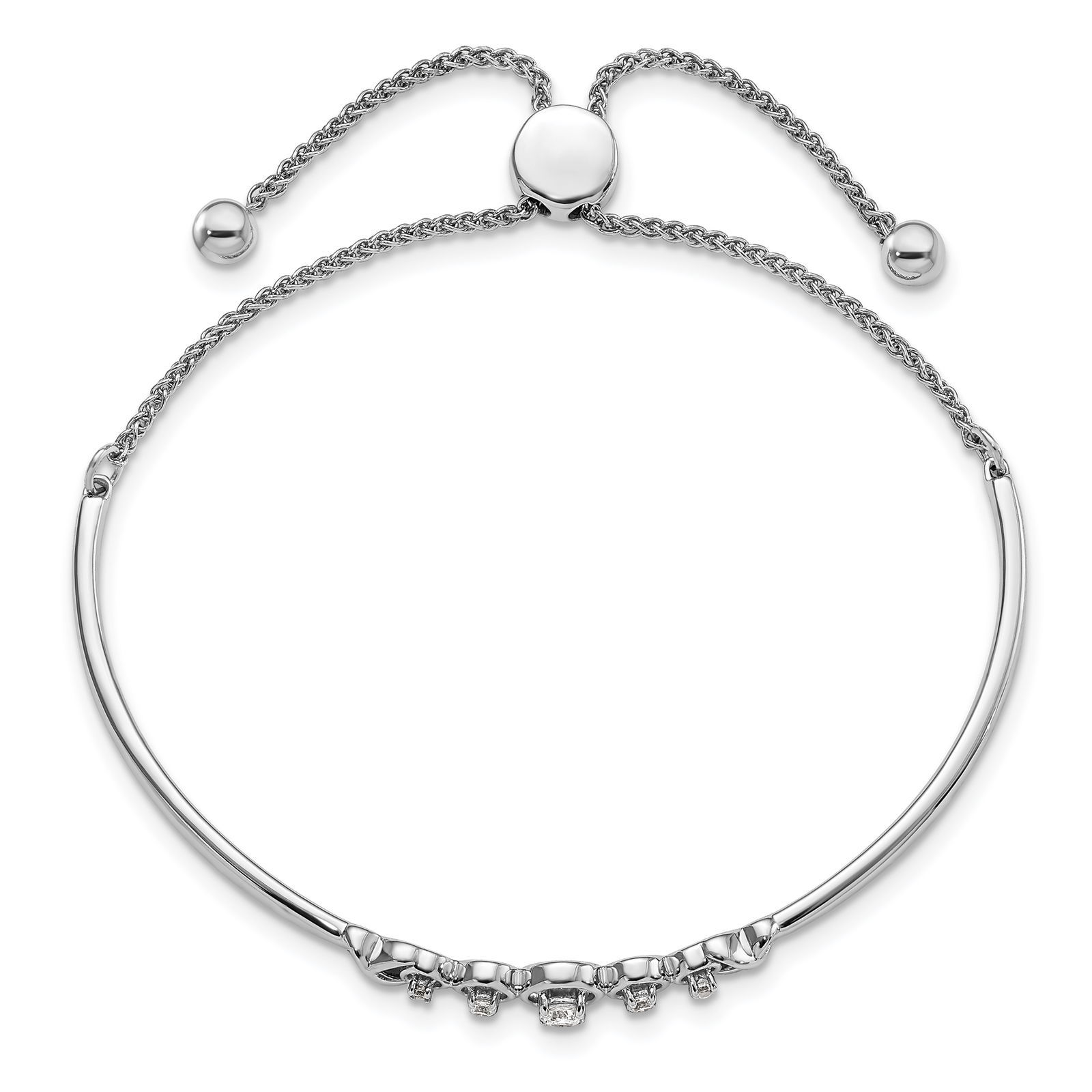
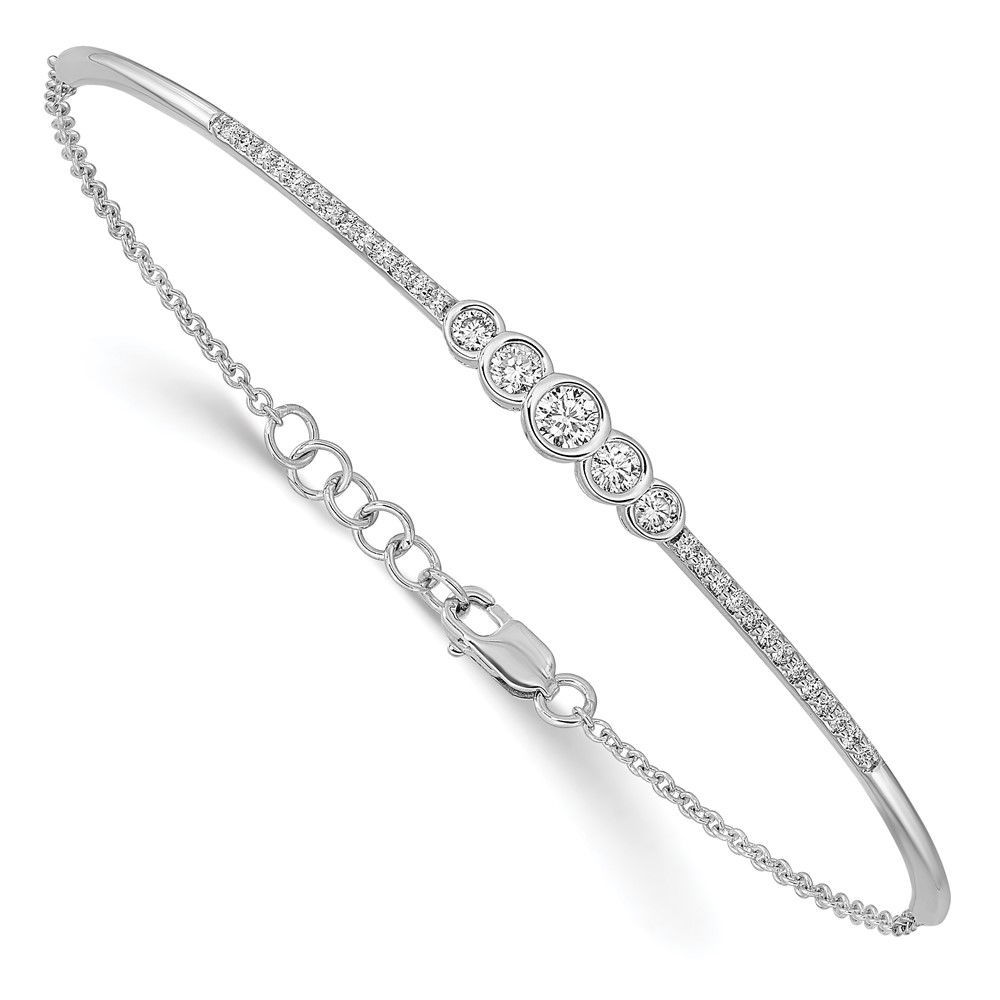
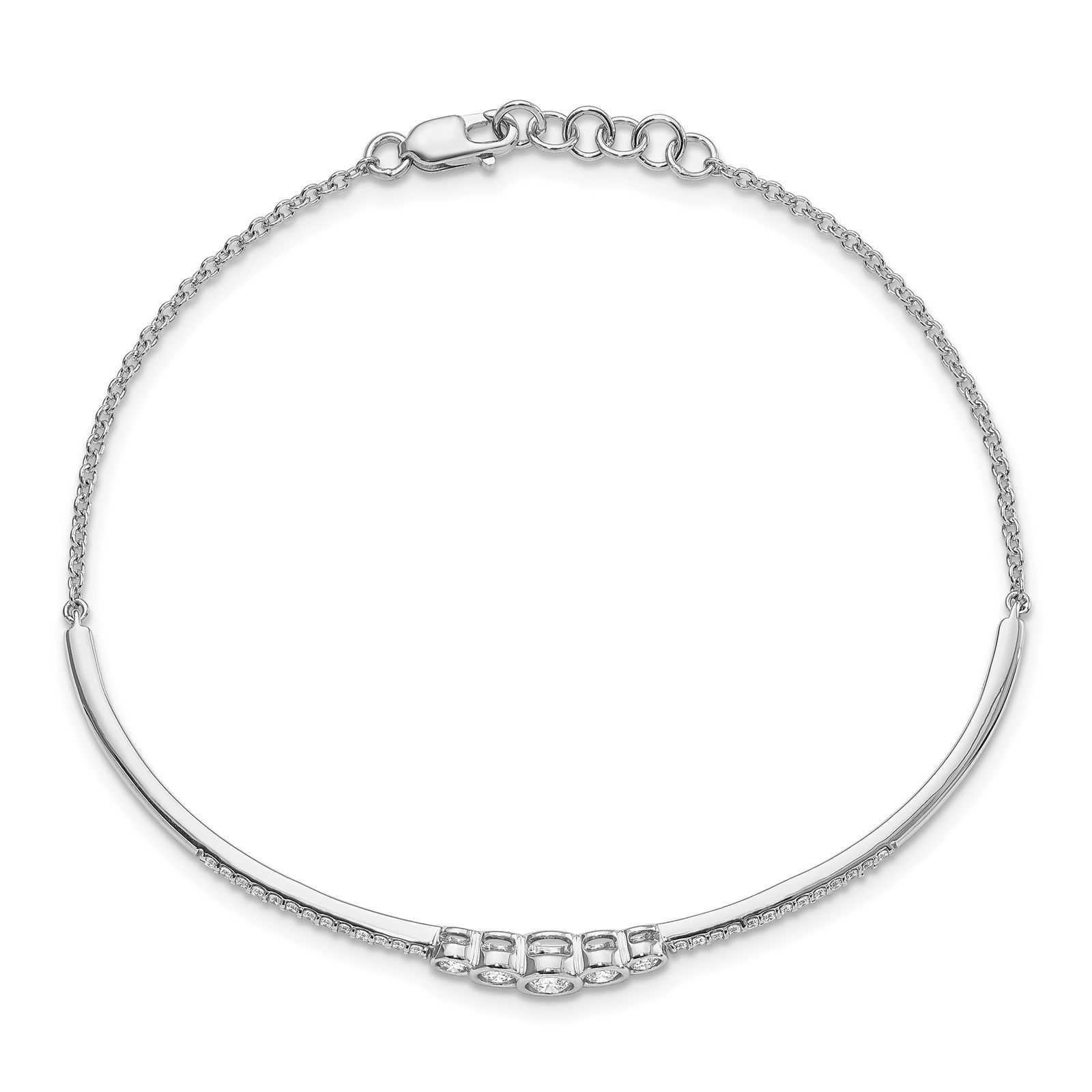
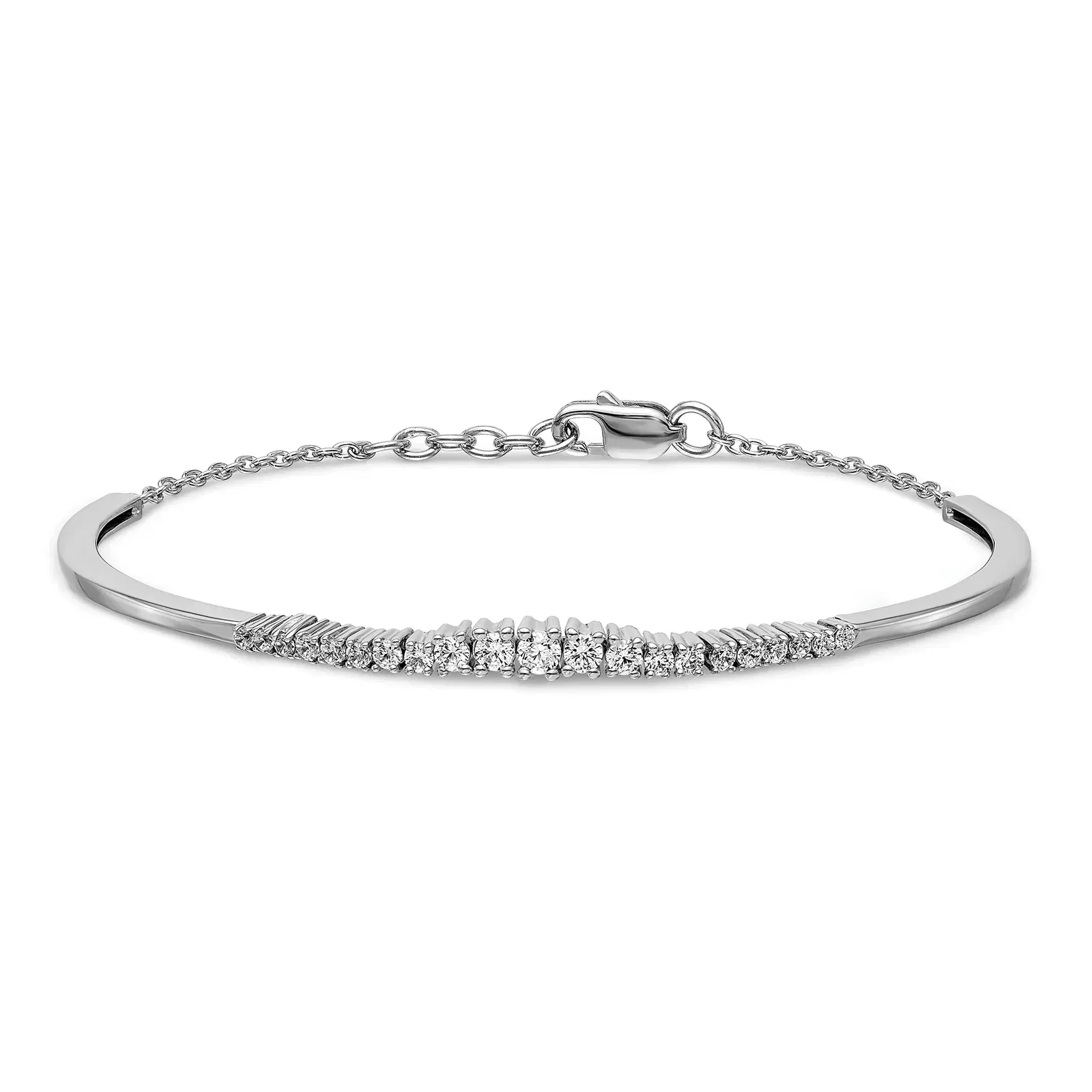
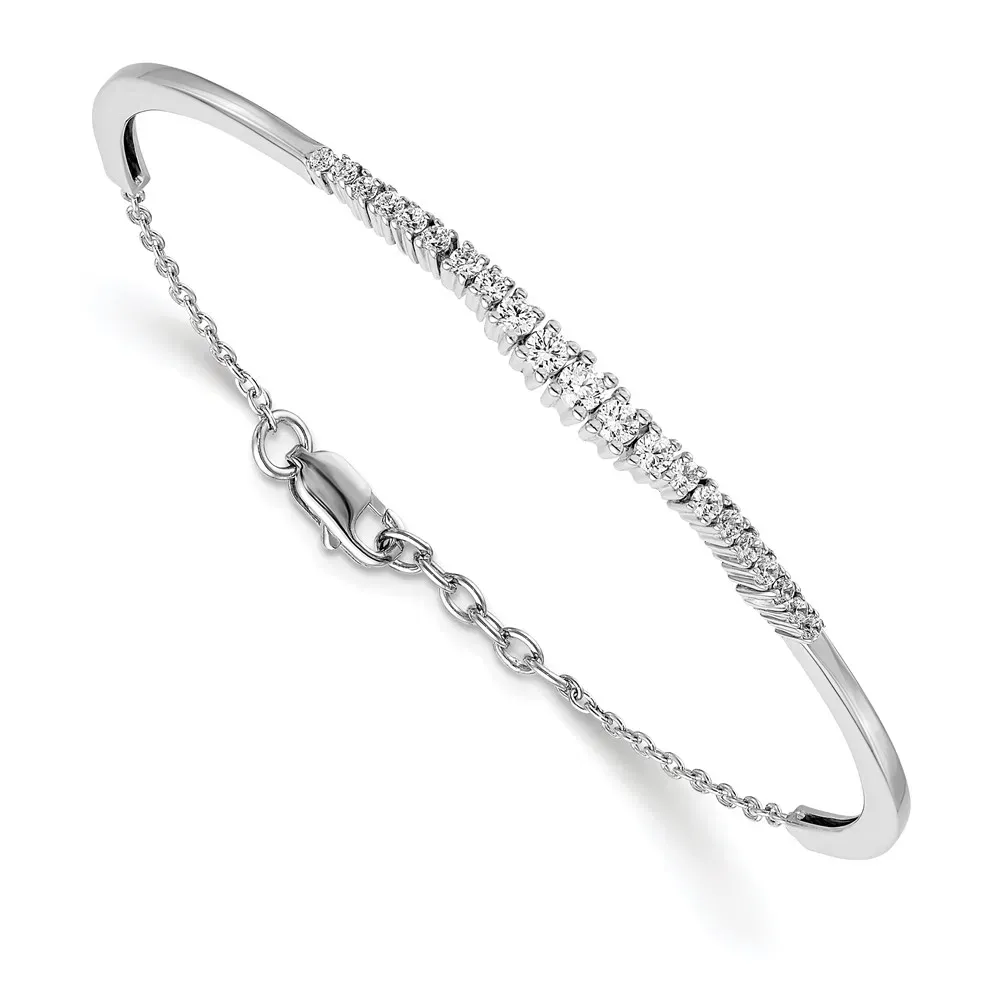
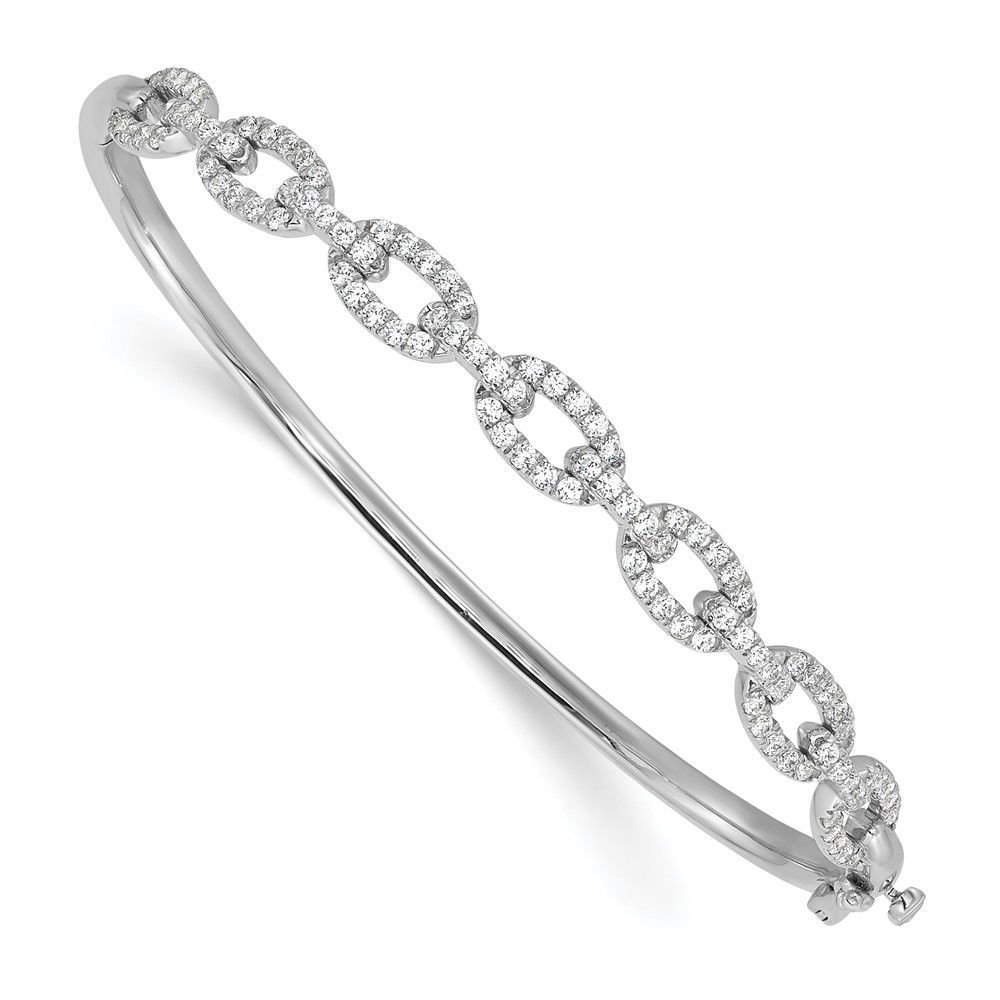
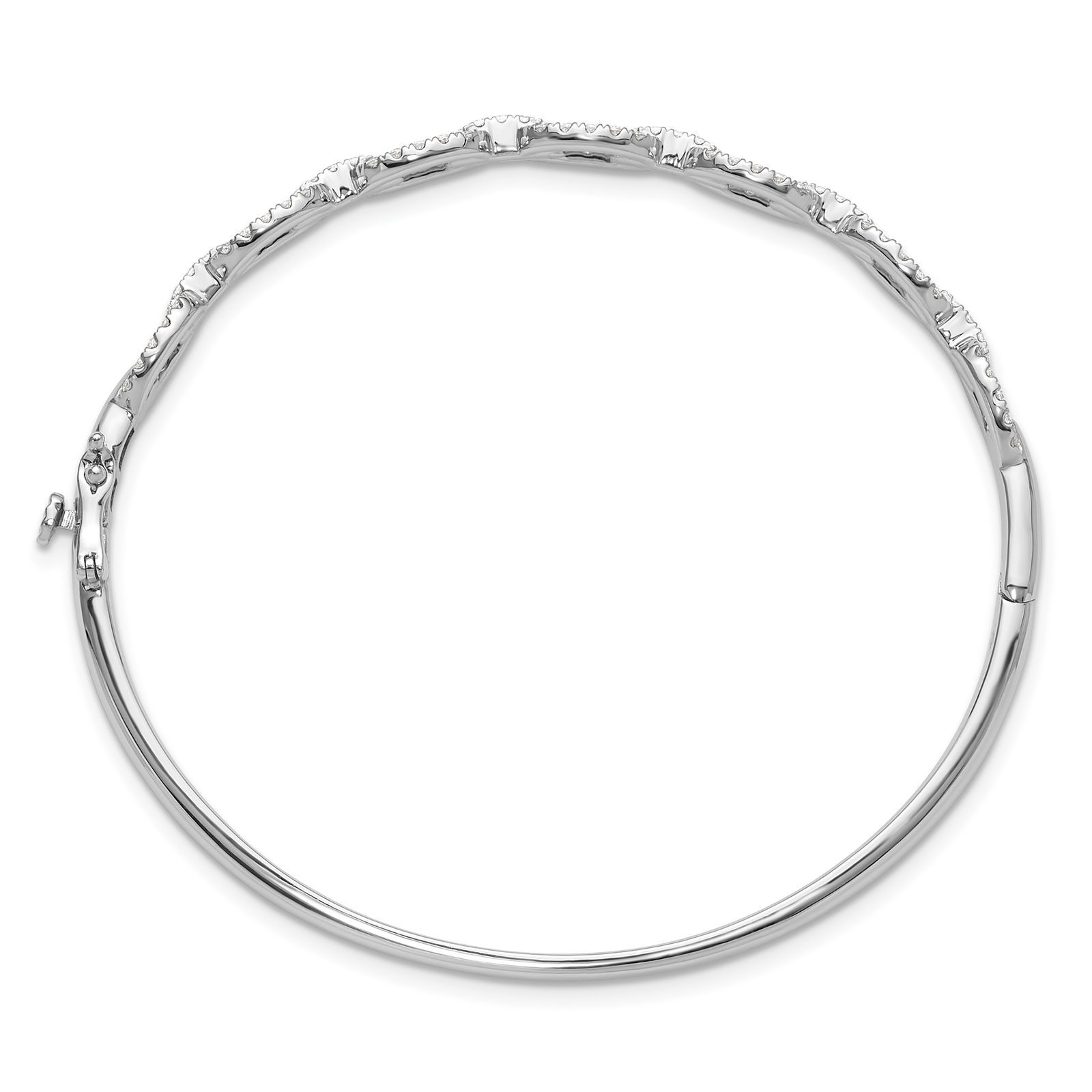
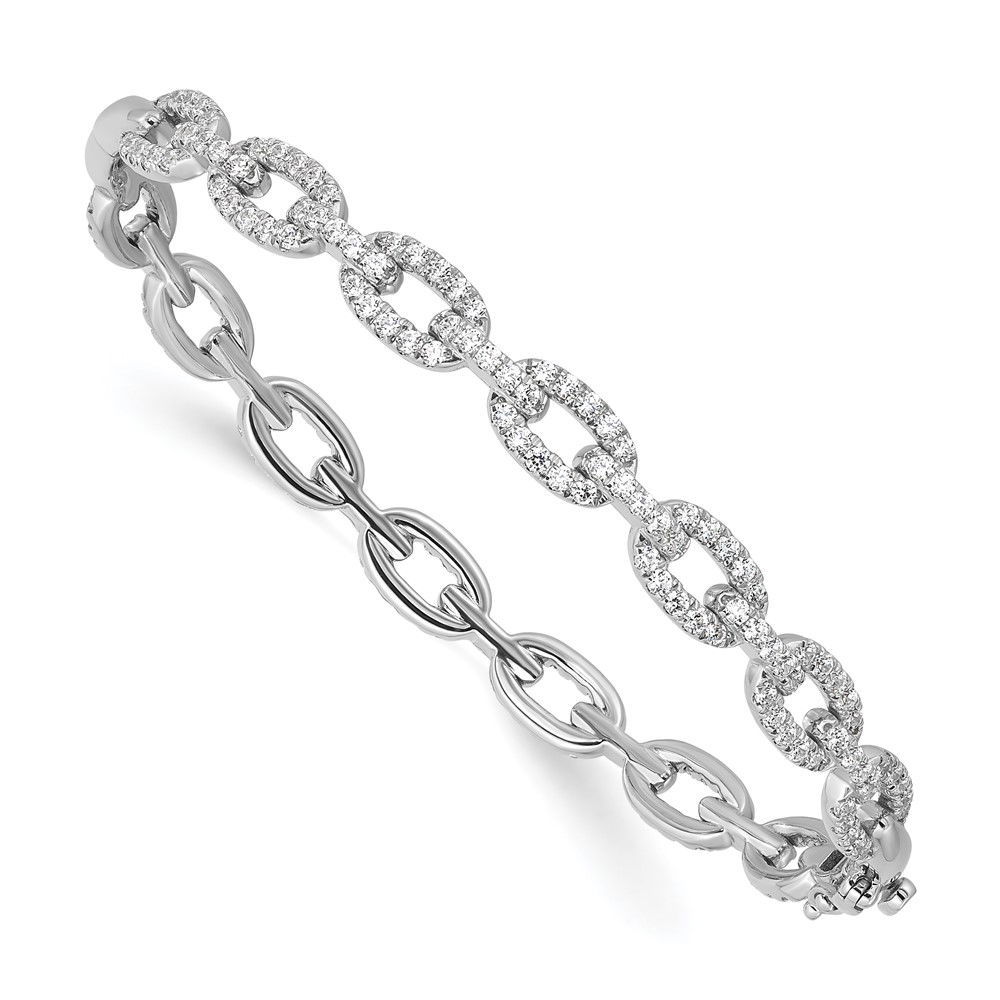
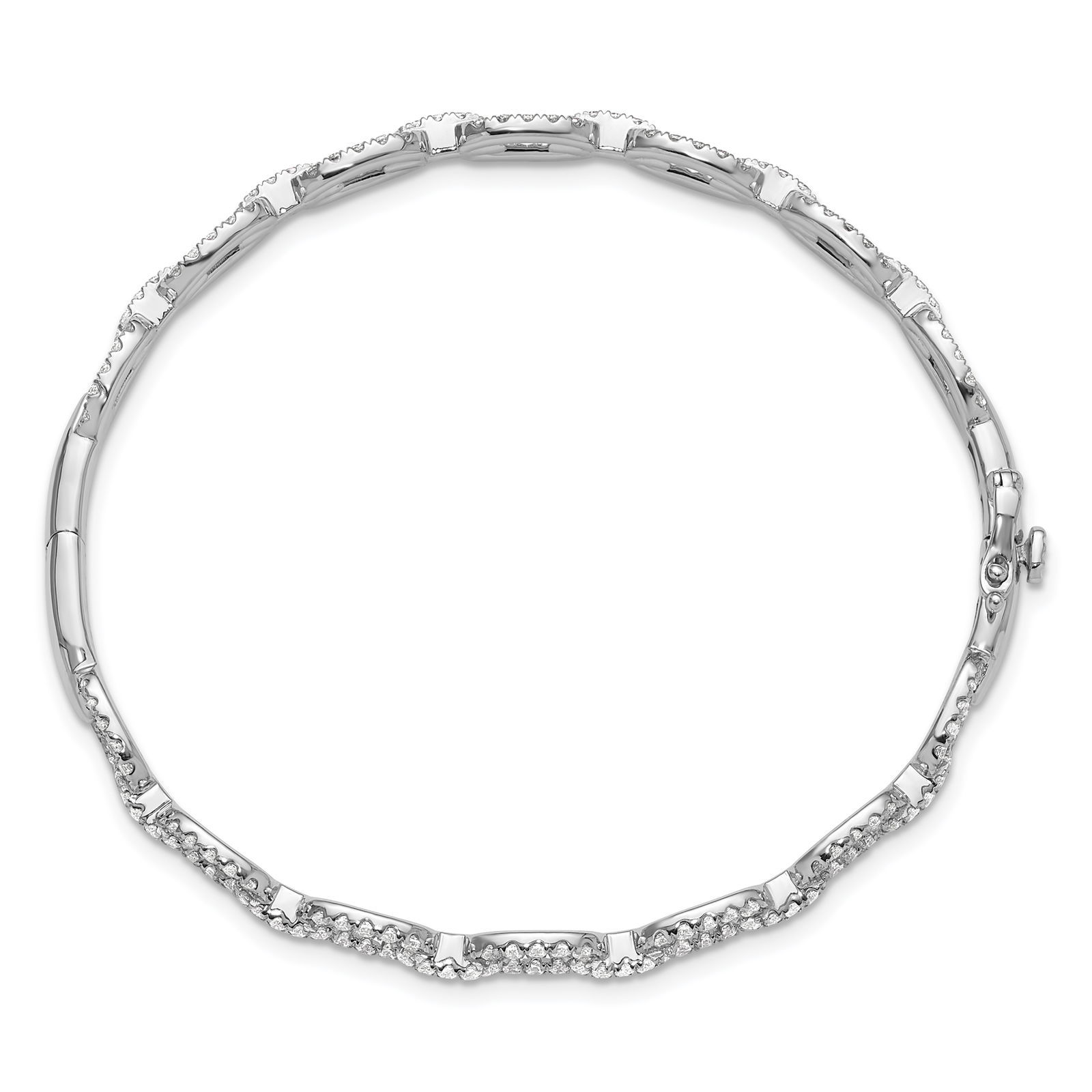
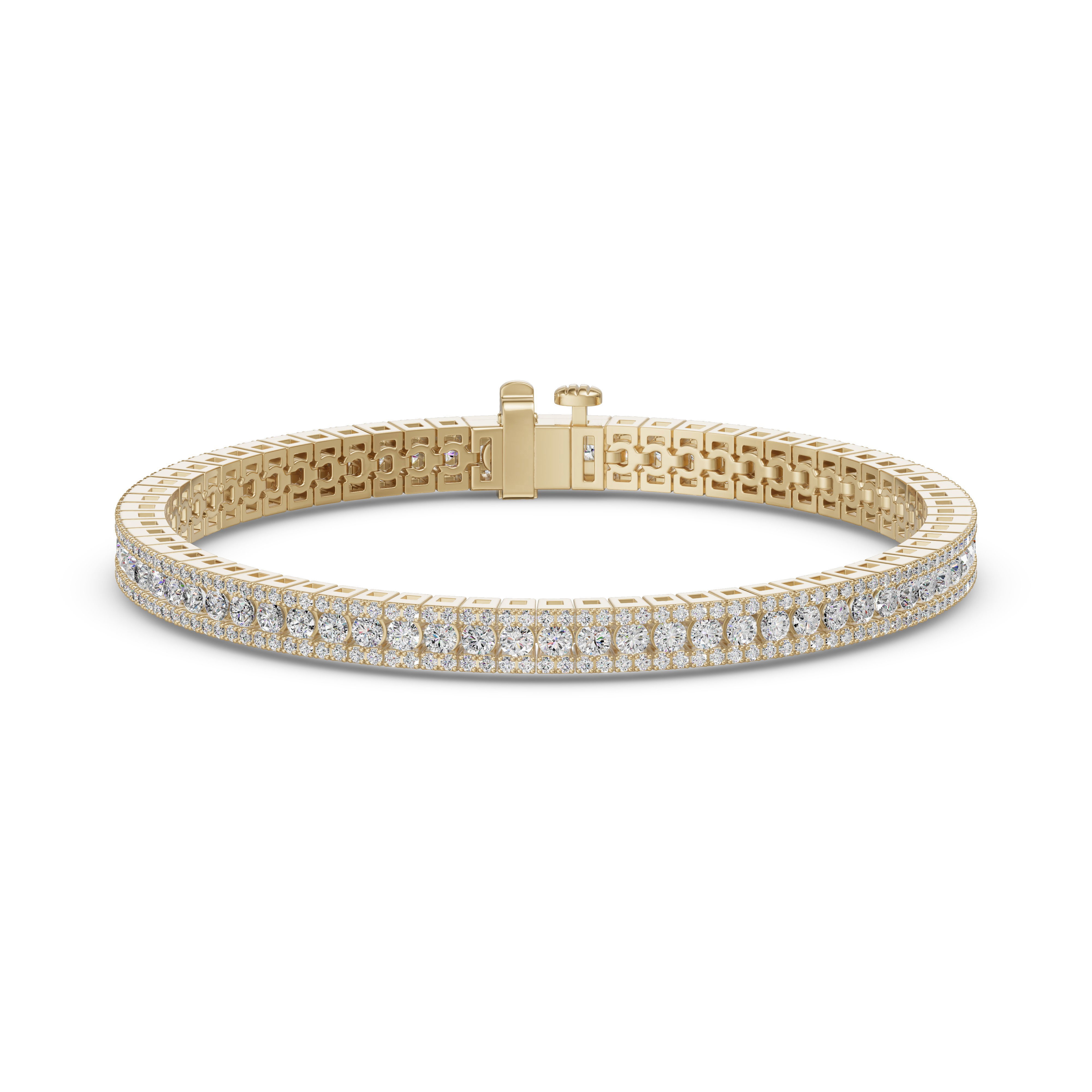
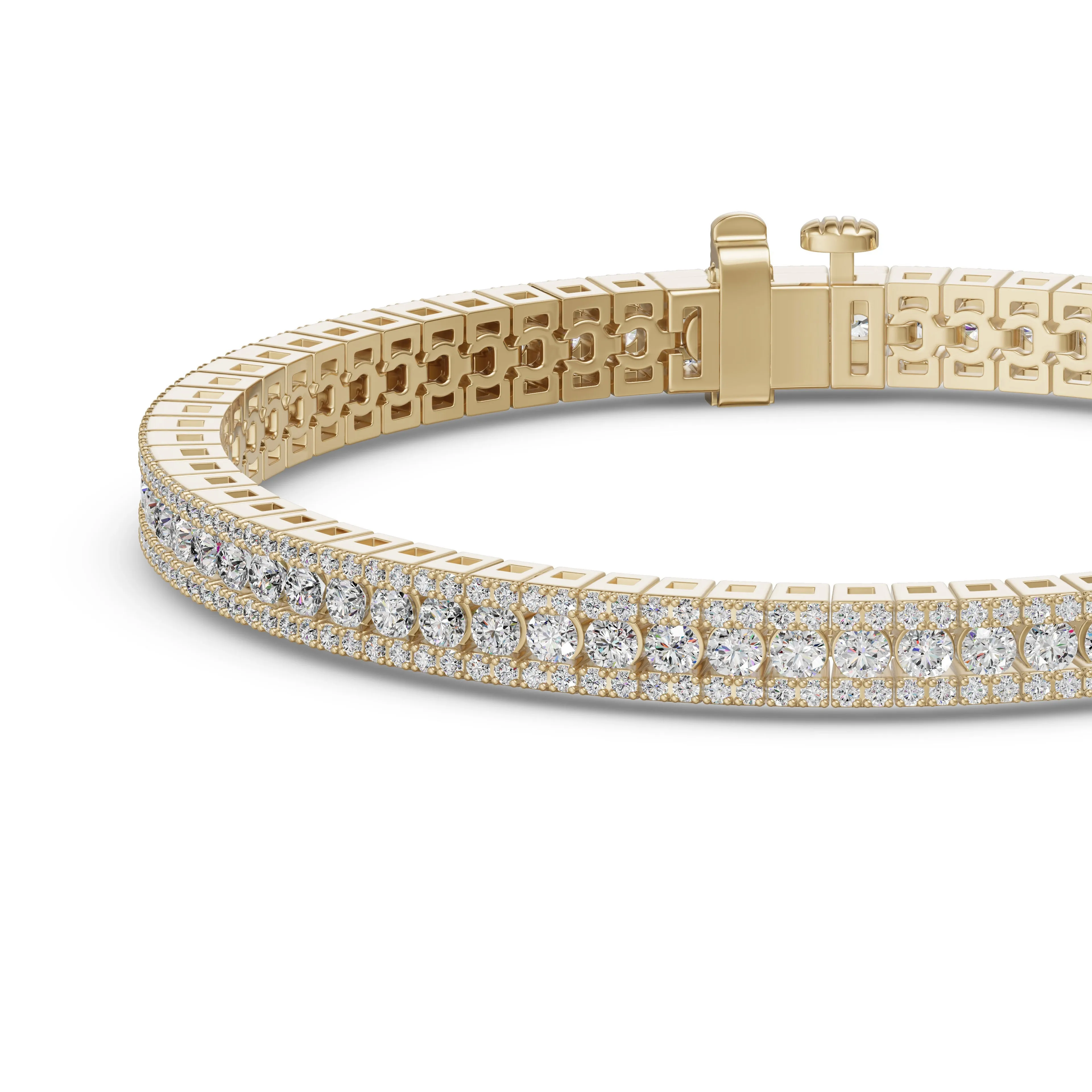
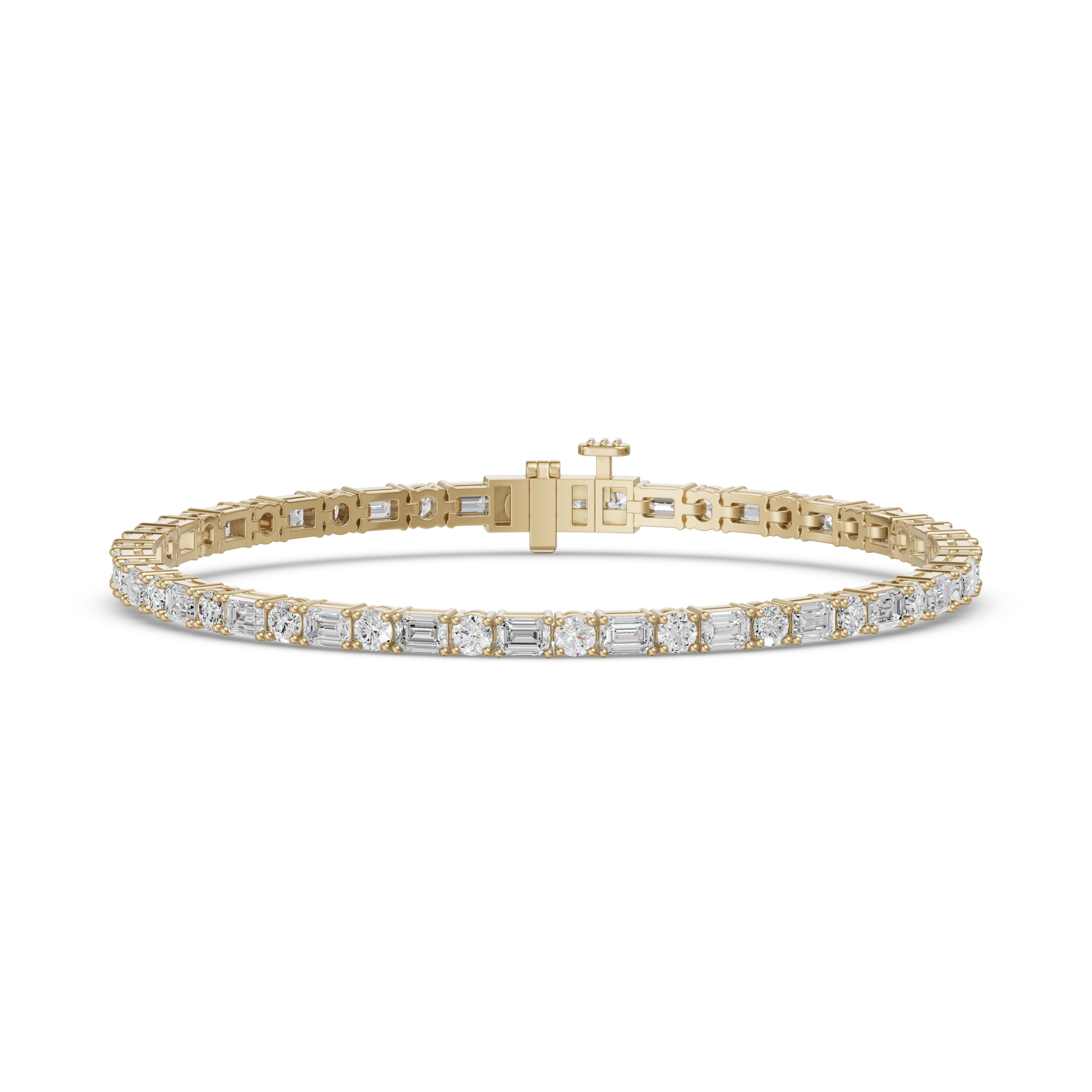
- Bracelets, including diamond tennis bracelets, gemstone bracelets, initial pieces and simpler classic bands
Gold is also where the widest range of diamonds and colourful gemstones come together, so it's rarely a question of finding the right stone, more a question of which tone of gold suits it best.
Related Categories: Fashion Rings, Rings with Gemstones, Stud Earrings, Drop Earrings, Initial Necklaces, Tennis Bracelets
Choosing Between Natural and Lab-Grown Diamonds
Whatever the piece, there's still one decision that applies across all of them: where the diamond comes from. Natural diamonds formed underground over billions of years, while lab-grown diamonds are created in a matter of weeks through a process that replicates those same conditions. Both are genuine diamonds, chemically and physically identical, and neither should be confused with simulants like cubic zirconia or moissanite — the choice comes down to personal preference, not quality.
Related: Lab-Grown vs. Mined Diamonds: An Honest Comparison
Diamond Quality and Certification
Diamond quality is measured by carat weight, colour, clarity, and cut grade. Colour is graded on a scale from colourless to visibly tinted, and our diamonds are typically graded F/G. Clarity indicates the presence of natural inclusions; ours are typically VVS/VS, meaning any inclusions are difficult to see without magnification.
Related: The 4Cs Made Simple: What Really Affects a Diamond's Appearance