
10k Gold: What It Means and How 14k and 18k Differ

10k gold turns up again and again in online shops, on jewellery hallmarks and in search queries, and the question behind it is a fair one: what does 10k actually mean, is it real gold, and how does it differ from 14 or 18 carat? The short answer: the number before the “k” tells you how much pure gold is in the alloy – and therefore also says something about colour, hardness and price.
In this article we explain the carat grades step by step, compare 10k, 14k and 18k in a table, clear up the confusion around white, yellow and rose gold and give you a simple decision aid. That way you can choose gold jewellery more deliberately and know what you are paying for.
10k gold: what does 10k mean and how do you read the hallmark?
Pure gold is 24 carat. It is very soft, so for jewellery it is alloyed with other metals. The carat number states how many of 24 parts are gold: with 10k gold it is 10 of 24 parts, which corresponds to 41.7% gold. The meaning of 10k is therefore simply a gold content of just over forty per cent; the rest is other metals that give the alloy hardness and colour. You will also find a detailed explanation in the article 10k gold.
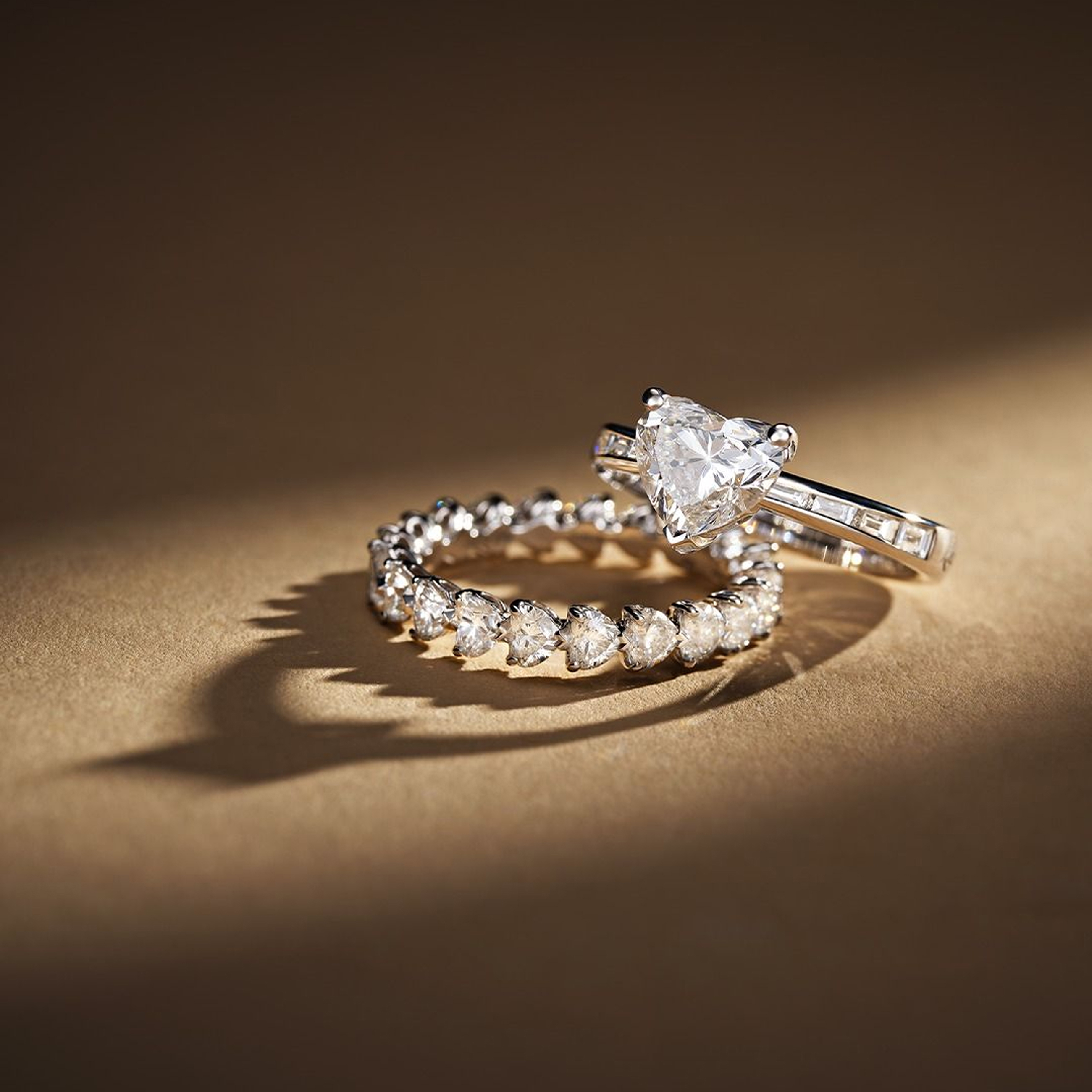
How to read carat and hallmark
Besides the carat figure, jewellery often carries a three-digit number: the fineness hallmark. It states the gold content in thousandths.
- 10 carat = 417: around 41.7% gold. Fairly rare in German-speaking countries, more widespread in other markets.
- 14 carat = 585: around 58.5% gold. The classic for everyday jewellery and rings.
- 18 carat = 750: 75% gold. Rich colour, higher price range.
Important: the “k” for gold has nothing to do with the “ct” for diamonds. Carat for gold measures the gold content; carat (ct) for a diamond measures its weight.
Is 10k gold real gold? Yes, it is a genuine gold alloy – just with a lower gold content than 14k or 18k. That is something different from gold-plated jewellery, where only a wafer-thin layer of gold sits on another metal. There is more on this in a separate guide to gold-plated jewellery.
The difference between 14 and 18 carat gold: the table
The difference between 14 and 18 carat gold shows in four places: colour, hardness, price and the feel when worn. More gold means a richer colour but also a softer material. Less gold means more robust and cheaper, but paler. The table sums it up; for the detailed comparison, read the article 14k vs. 18k gold.
| Feature | 10k gold (417) | 14k gold (585) | 18k gold (750) |
|---|---|---|---|
| Gold content | around 41.7% | around 58.5% | 75% |
| Colour (yellow gold) | paler, less saturated | warm, balanced | rich, deep yellow |
| Hardness | hardest of the three | robust for everyday wear | somewhat softer, more prone to scratches |
| Price | cheapest | mid-range | most expensive |
| Typical use | Everyday jewellery (mainly in other markets) | Rings, earrings, chains for every day | Engagement rings and special pieces |
Good to know: The table describes typical differences, not a guarantee for an individual piece. Hardness and colour also depend on the exact alloy. Which carat grade a model has is stated on the respective product page. If you are unsure, ask before you buy.
White gold, yellow gold, rose gold: how the colour comes about
Carat and colour are two different things. Gold is naturally yellow. The colour of white, yellow and rose gold comes from the metals that are mixed in: copper gives rose gold its rosy tone, while white metals such as palladium or silver make white gold pale. Between 14k and 18k of the same colour, then, it is mainly the intensity that changes.
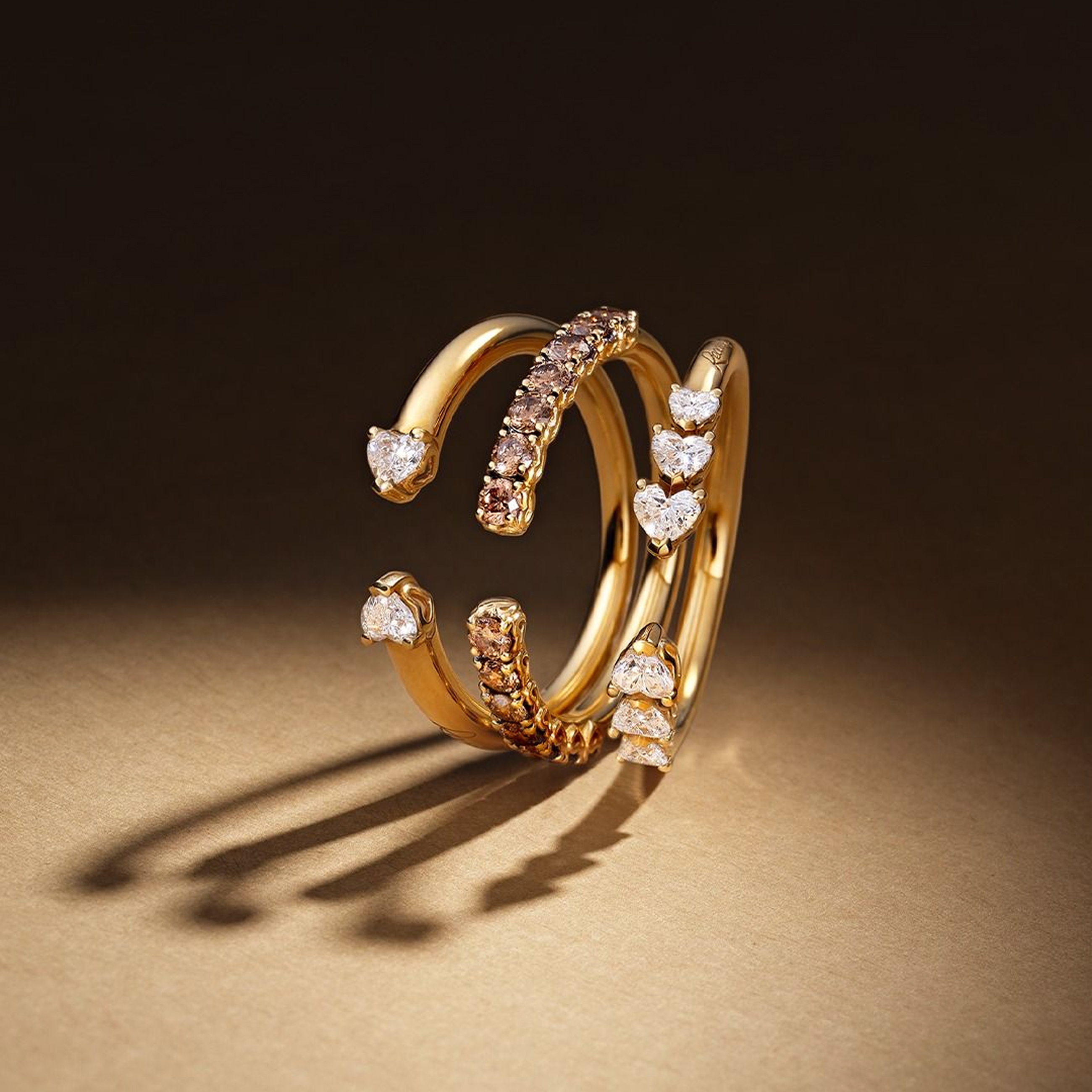
Which gold colour suits you?
- Yellow gold: warm and classic, it flatters a warm skin tone. An overview of engagement rings in gold shows how different the effect can be.
- White gold: cool and modern, it makes diamonds look especially clear. Take a look at engagement rings in white gold if you want a silvery look.
- Rose gold: delicate and romantic, with a hint of vintage. You will find examples under engagement rings in rose gold.
White gold is a common stumbling block: it is often confused with silver but is something quite different. White gold is a gold alloy, while silver is a metal in its own right that is softer and tarnishes over time. White gold is also often coated with a thin layer of rhodium, which can wear off after some years and is then renewed. The article White gold or silver explains the exact difference.
18k gold or 14k gold: a simple decision aid
Choose 14 carat if:
- You wear the jewellery daily and want scratches to be as unobtrusive as possible
- You are looking for a balanced ratio of price and gold content
- It is a ring that is handled and taken off a lot
- You want a timeless piece without particular demands on depth of colour
Choose 18 carat if:
- The rich gold tone matters to you
- The jewellery is worn more for special occasions or with care
- A higher gold content is also a mark of quality for you
- You are prepared to pay somewhat more for colour and content
And 10k? For people who mainly want inexpensive, very hard-wearing everyday jewellery, a low gold content can make sense. Do pay attention to the colour, though, which turns out paler and less warm. Whether a particular piece is made in 10, 14 or 18 carat is stated in the product description.
Buying gold: what else to look out for with carat, colour and setting
With rings set with diamonds, the setting matters as well as the gold tone. White gold makes colourless stones look especially clear, while yellow gold gives them a warm frame. At Omara you will find only diamonds with an independent GIA or IGI certificate, lab-grown as well as natural. If you would like to know how the metals behave in everyday wear, the page types of metal gives an overview.
- Look for the hallmark: 585 or 750 should be recognisable, on rings usually on the inside.
- Do not compare only the gold price: Workmanship, setting and stone affect the price just as much as the carat figure.
- Watch out for “gold-plated”: That is not a carat figure but a coating that can wear off over time.
- Plan for care: Gold tolerates gentle cleaning with a mild soap solution; hard rubbing and harsh cleaners are taboo.
Our honest tip: What makes the biggest difference in everyday life is not the carat number alone but how you wear the jewellery. An 18k ring that you keep on while gardening shows scratches faster than a 14k ring that you take off for sport. Choose the grade that suits your daily life.
In short: more carat means more gold, not automatically better
10k gold has around 41.7% gold, 14k about 58.5% and 18k exactly 75%. As the gold content rises, colour and price become more intense, but the material becomes softer. For everyday wear 14 carat is a good middle way, 18 carat is the choice for richer colour, and 10 carat remains a rather rare, robust variant. Decide by how you wear it, colour and budget.
Discover gold rings and gold earrings – take a look at Omara’s gold jewellery in yellow, white and rose gold and find the colour and grade that suit you.
Frequently asked questions
Next article

Are Lab-Grown Diamonds a Good Investment?
A direct answer to the most common objection to lab-grown diamonds — value, price, and what you can expect. Read the facts.